
Rahul Gandhi Defends CJP Protesters After Jantar Mantar Arrests
Rahul Gandhi publicly condemned the arrest of Cockroach Janta Party leaders at Jantar Mantar, calling the detention of peaceful flag‑waving protesters a cowardly act. His statement signals a new alignment of opposition forces against the Centre’s decision to de‑notify the historic protest site.
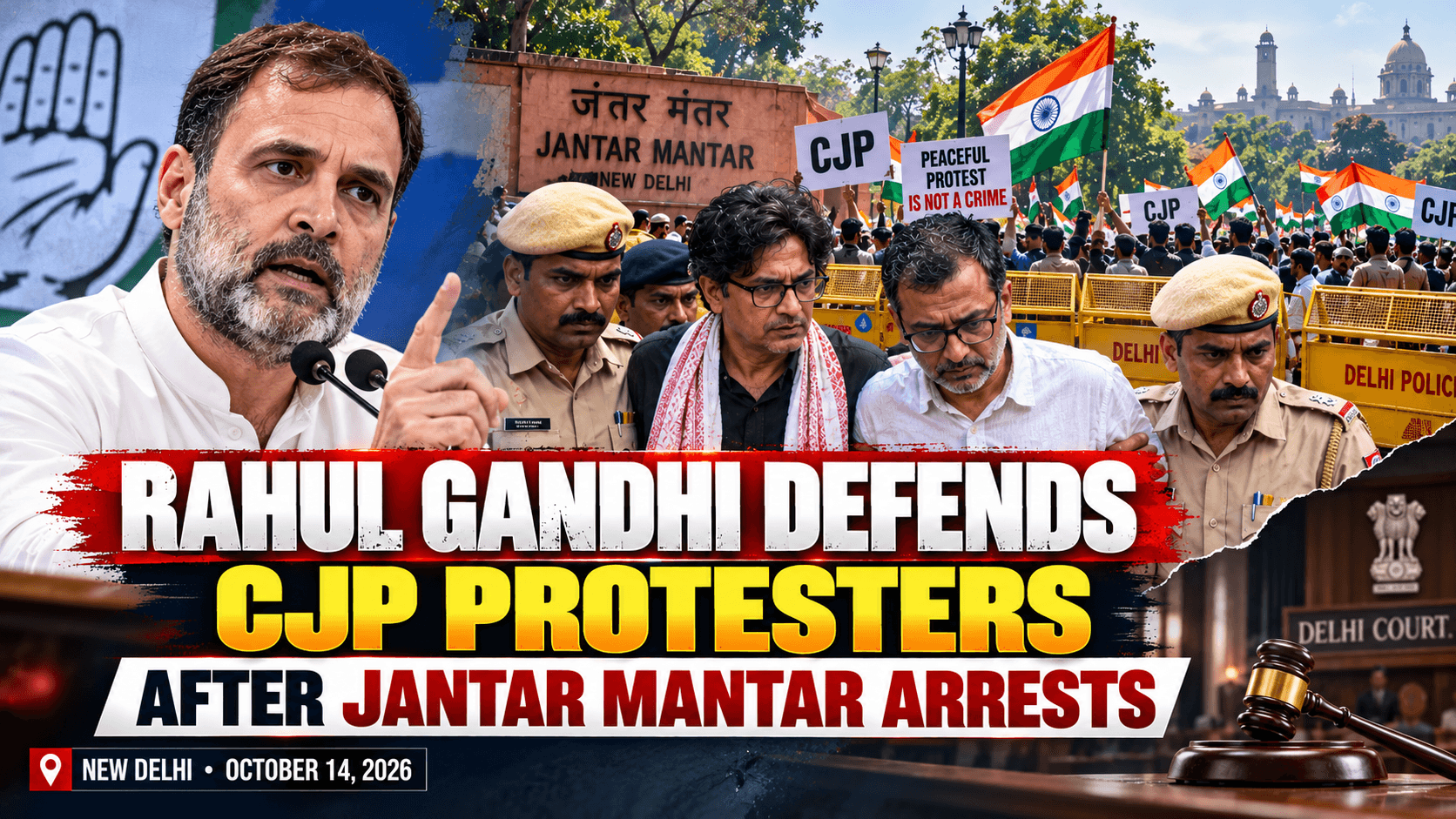
In a striking departure from his earlier reluctance to share platforms with the Cockroach Janta Party (CJP), opposition leader Rahul Gandhi publicly condemned the recent detention of two CJP activists at Delhi's Jantar Mantar. His statement on X (formerly Twitter) underscored a broader message: the act of hoisting the national flag during a peaceful demonstration should never be treated as a criminal offence.
Background to the Jantar Mantar Incident
On Tuesday morning, a group of fourteen individuals, among them CJP founder Abhijeet Dipke and leaders Ashutosh Ranka and Saurav Das, attempted to stage a flash protest at the historic public square. By scaling a gate and breaching temporary barricades, they unfurled the tricolour and chanted slogans demanding the restoration of constitutional rights. Police intervened, arresting the participants on charges of trespass and alleged breach of a bail condition they had signed the previous day.
Legal Consequences for the CJP Leaders
Following the arrests, Ashutosh Ranka and Saurav Das were remanded to five days of judicial custody on Wednesday. The court also ordered them to remain in custody pending further hearings. Meanwhile, Dipke, Ranka and Das secured bail after posting a bond that obliges them to refrain from any activity that could disturb public order for a year. The authorities argued that the flash protest violated the bail terms, a claim the CJP leadership disputes vehemently.
Rahul Gandhi’s Public Reaction
Gandhi’s X post read, "Waving the Tricolour at Jantar Mantar in a peaceful protest is not a crime. Jailing youth for it is an act of cowardice." He went further, framing the episode as part of a larger tapestry of dissent: "Students, youth, journalists, the INDIA bloc—different banners, one cause. All protests are one: citizens demanding their constitutional rights." By positioning the CJP protest alongside student movements and other civil‑society actions, Gandhi signalled an intent to unite disparate dissenting voices under a common narrative.
Reclaiming Jantar Mantar
Beyond condemning the arrests, Gandhi declared that the historic site belongs to the people of India and pledged that it would be reclaimed for public expression. "Jantar Mantar belongs to the people of India. We will reclaim it," he asserted, echoing a sentiment echoed by many opposition figures who view the Centre’s decision to de‑notify the area as an affront to democratic space.
Response from the CJP and Other Political Leaders
Abhijeet Dipke, the party’s founder, thanked Gandhi for his overt support, noting that the gesture marked a shift in the Congress party’s stance toward the CJP. "I am worried about the country. Since when has waving the Tiranga become a violation of peace?" Dipke questioned after the bail hearing.
Other opposition leaders also weighed in. Aam Aadmi Party chief Arvind Kejriwal dismissed the arrests as “ridiculous,” asking, "Is waving our own flag in our own country a crime?" Trinamool Congress MP Abhishek Banerjee echoed the criticism, calling the arrests an assault on nationalism. Even regional power‑brokers such as DMK chief M.K. Stalin and Shiv Sena’s Aaditya Thackeray voiced disapproval, reinforcing the perception that the crackdown has united a broad coalition against the Centre’s move.
Why Rahul Gandhi’s Support Matters
Gandhi’s earlier avoidance of sharing a stage with CJP representatives—most notably during a July rally—had sparked speculation that the Congress leadership was wary of aligning with a relatively new, radical outfit. However, the recent public endorsement suggests a strategic recalibration. By openly defending the detained activists, Gandhi not only broadens the opposition’s base but also signals that the Congress will not shy away from defending civil‑society actions that challenge governmental decisions.
Strategic Implications for the Opposition
The shift may serve multiple purposes. First, it projects a united front against what opposition parties label an increasingly authoritarian stance by the government. Second, it appeals to younger voters and activists who see the CJP’s symbolic use of the flag as a powerful statement of dissent. Finally, it forces the narrative away from internal opposition squabbles toward a shared cause—protecting the right to peaceful assembly.
Historical Context: Jantar Mantar as a Protest Hub
Jantar Mantar has long been a focal point for mass demonstrations in Delhi, hosting rallies ranging from anti‑corruption movements to farmers’ agitations. The Centre’s recent decision to de‑notify the area as a protest zone marks a stark departure from that tradition, prompting legal challenges and widespread criticism. Critics argue that the move aims to curtail the visibility of dissent, especially in a location that offers symbolic weight and media exposure.
Legal and Constitutional Debates
Legal experts note that the de‑notification does not automatically strip citizens of the right to assemble in public spaces, but it does remove certain procedural safeguards that previously facilitated organized protests. The Supreme Court has, in past rulings, emphasized the need for the state to balance security concerns with fundamental freedoms, a balance many believe the current policy disrupts.
Public Reaction and Media Coverage
Social media platforms buzzed with divergent opinions. While many netizens rallied behind the activists, using hashtags like #SaveOurFlag and #JantarMantarFreedom, others defended the government's authority to regulate public spaces. Mainstream outlets, including NDTV and India News, provided extensive coverage, highlighting both the political drama and the legal nuances of the case.
What Lies Ahead?
The judicial custody of Ranka and Das is set to conclude within a week, after which the court will decide on further bail applications. Meanwhile, the opposition is expected to organize additional demonstrations, possibly targeting other high‑visibility locations to maintain pressure on the Centre.
Whether Rahul Gandhi’s vocal support will translate into tangible political gains remains to be seen. However, the episode undeniably underscores a growing willingness among opposition leaders to bridge ideological gaps and present a consolidated challenge to the government's approach toward dissent.
Latest Posts
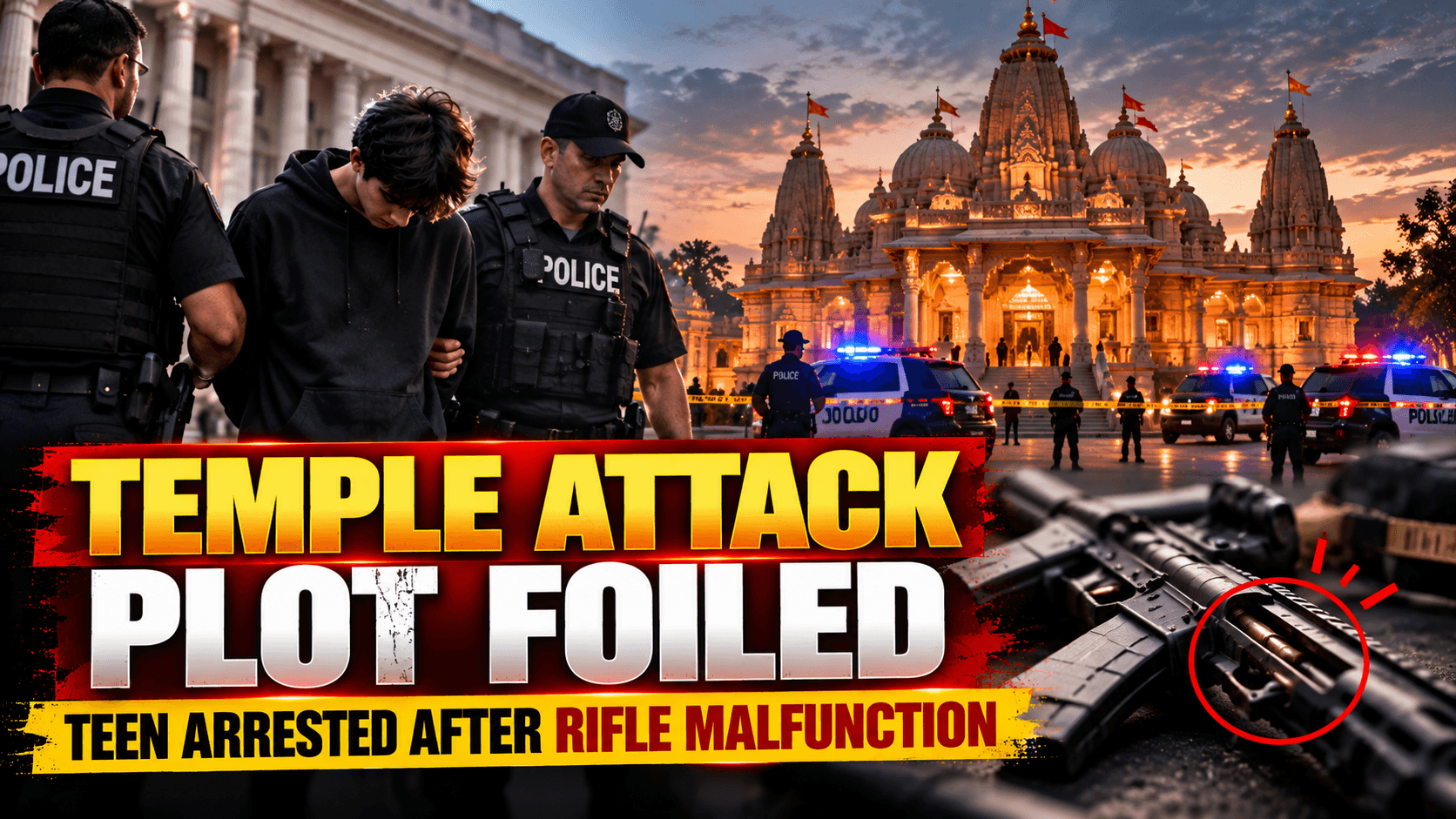
Teen Arrested After Faulty Rifle Foils Hindu Temple Shooting Plot
A 19‑year‑old Taco Bell employee in Illinois was detained after a jammed rifle prevented a planned mass shooting at a Hindu temple. Police recovered weapons, extremist material, and a manifesto outlining white‑supremacist motives.
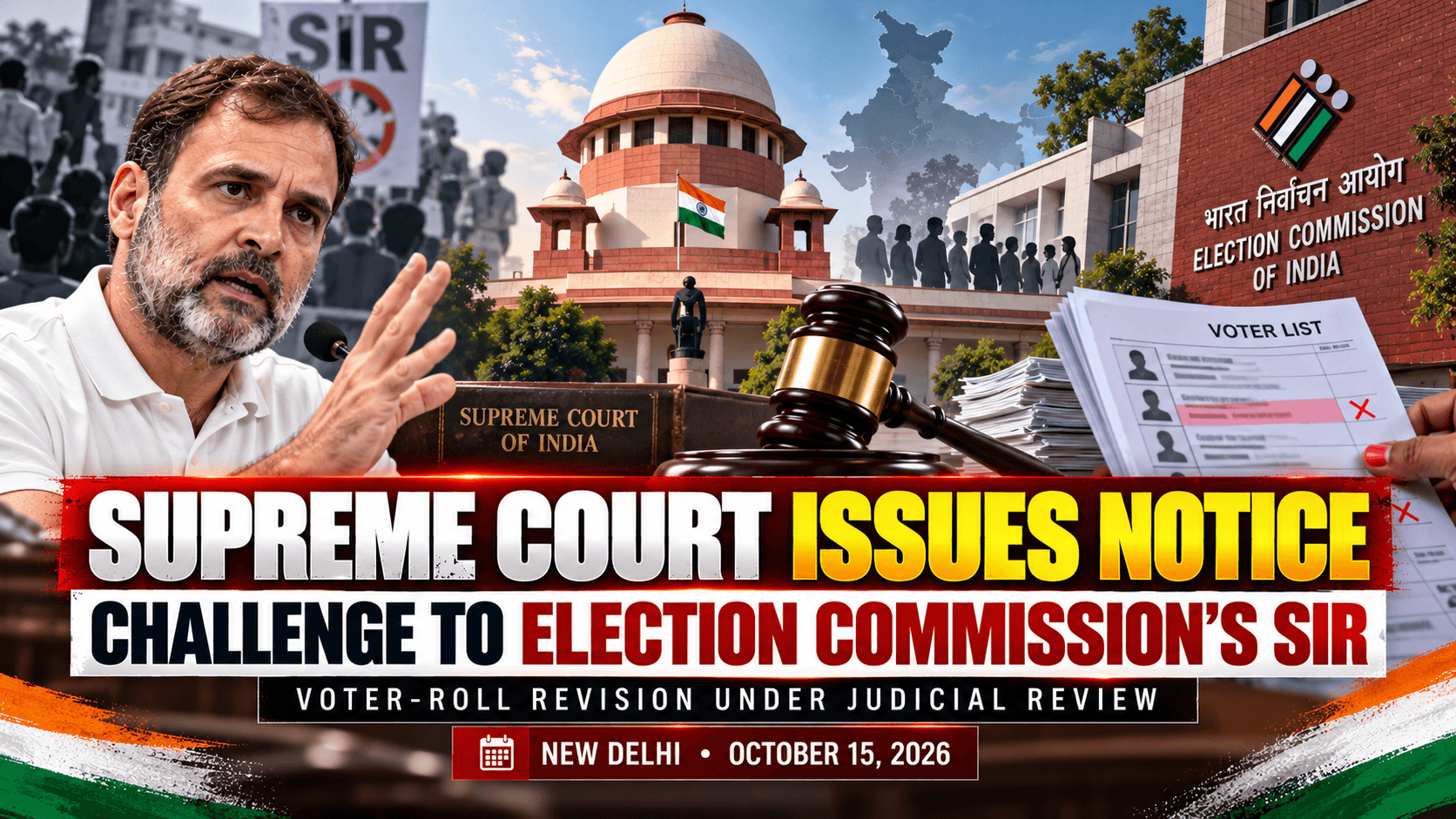
Supreme Court Notices Challenge to Election Commission’s SIR
The Supreme Court has issued a notice on a petition filed by Rahul Gandhi and other opposition figures contesting the Election Commission’s Special Intensive Revision of voter lists. The court’s order seeks explanations from the petitioners and may pause the SIR process pending further review.
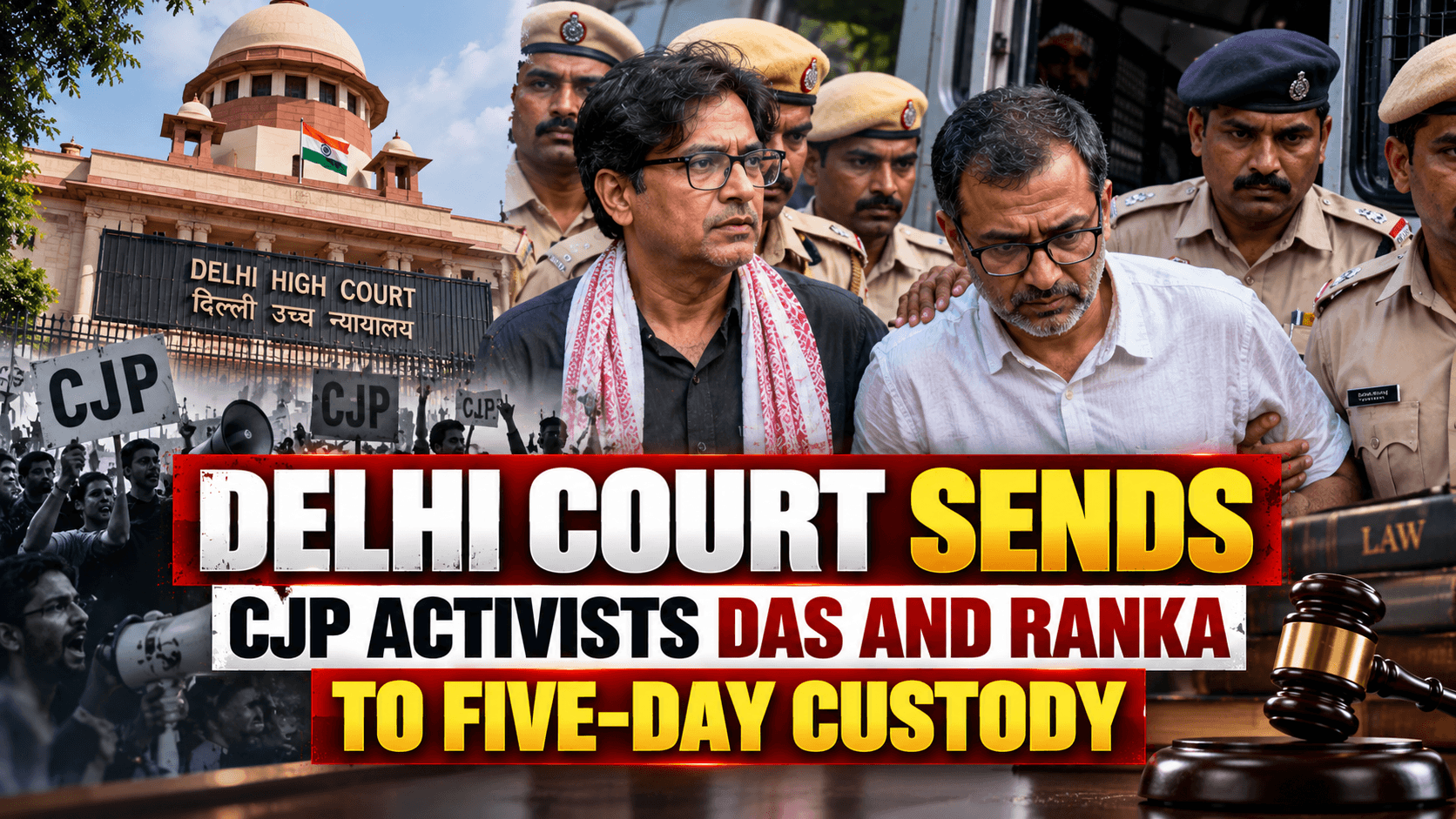
Delhi Court Sends CJP Activists Das and Ranka to Five‑Day Custody
The Special Executive Magistrate court ordered a five‑day judicial custody for CJP leaders Saurav Das and Ashutosh Ranka after they entered the barred Jantar Mantar area. The ruling follows a wave of protests over alleged irregularities in the election roll revision process.

Houthis Renew Missile Barrage on Riyadh, Saudi Air Defences Tested Again
For the third consecutive day the Yemeni Houthi movement launched ballistic missiles toward Saudi Arabia’s capital, prompting interceptions and a renewed shutdown of Riyadh’s main airport. The attacks have strained Saudi air defences, disrupted international flights and raised regional security concerns.
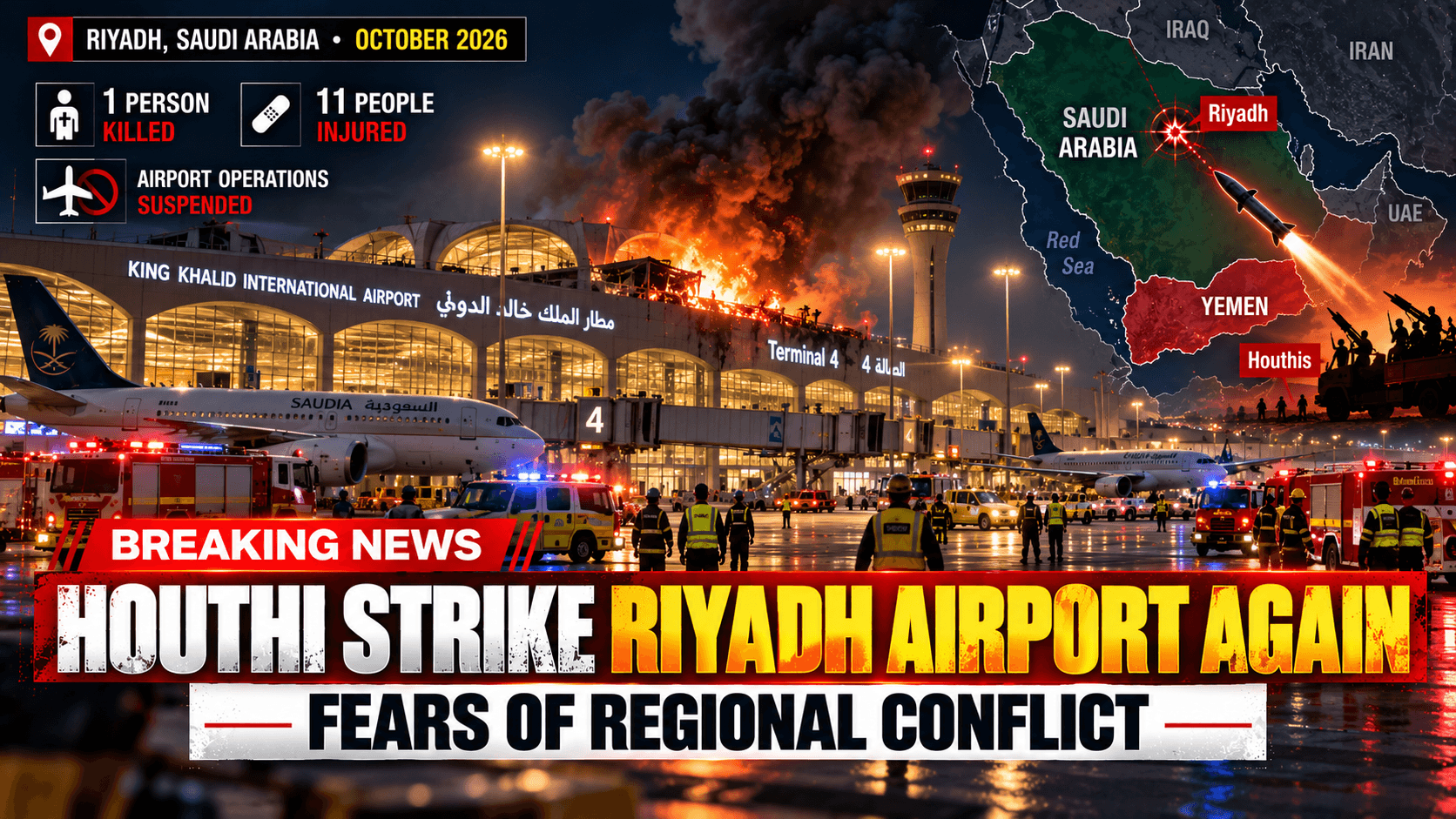
Houthis Strike Riyadh Airport Again, Raising Fears of Regional Conflict
The Houthi movement launched a fresh missile assault on King Khalid International Airport, killing dozens and wounding hundreds. Saudi Arabia vows a strong response as regional tensions rise.