
Houthis Strike Riyadh Airport Again, Raising Fears of Regional Conflict
The Houthi movement launched a fresh missile assault on King Khalid International Airport, killing dozens and wounding hundreds. Saudi Arabia vows a strong response as regional tensions rise.
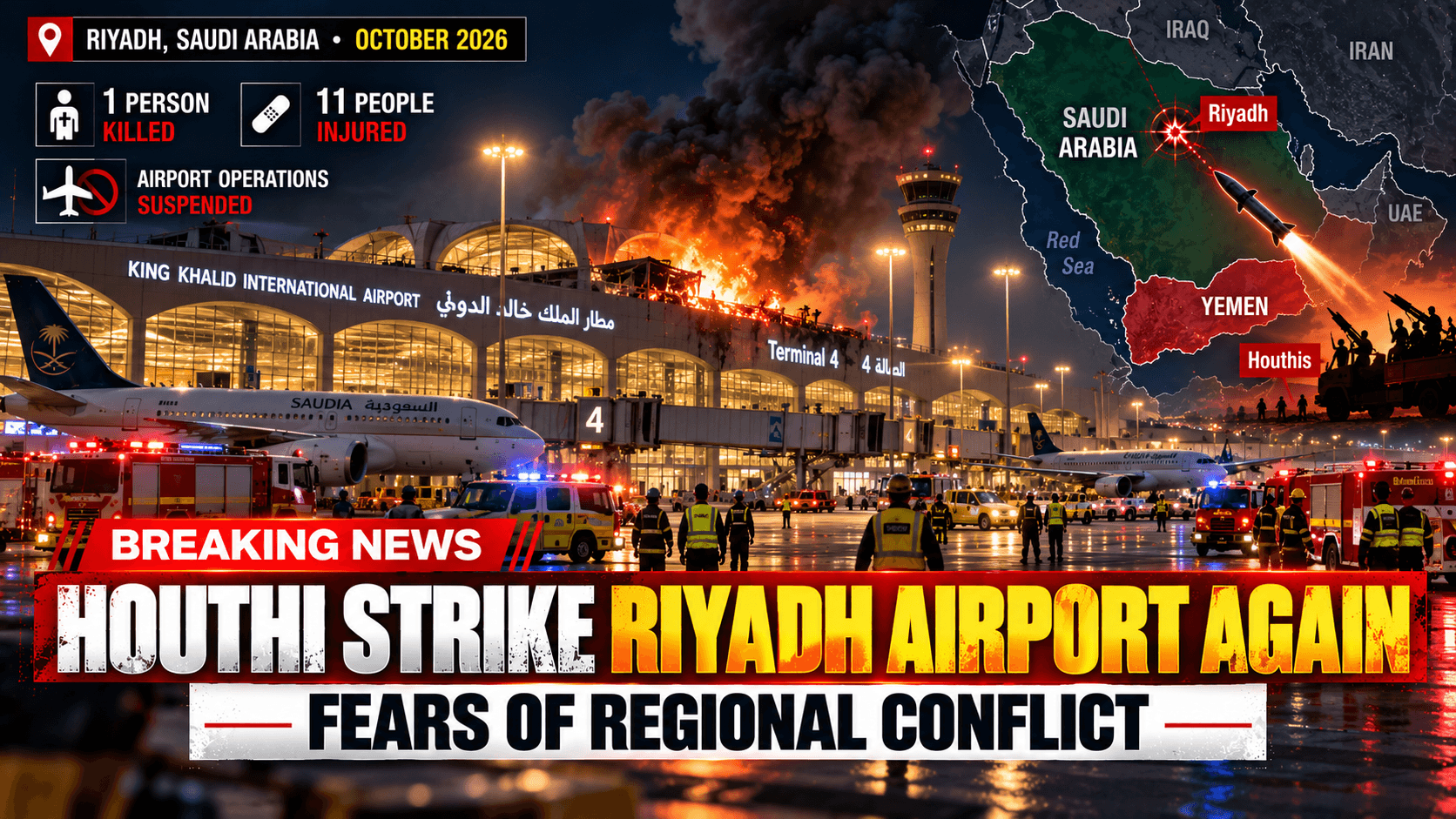
In early October 2026, a missile impact shattered the calm at King Khalid International Airport in Riyadh, sparking a new surge of hostilities between the Yemeni Houthi movement and the Saudi‑led coalition. The strike caused a massive fire, a plume of black smoke, and a tragic loss of life, prompting Riyadh to promise a forceful counter‑action.
What transpired at the Saudi capital's main gateway?
According to the Saudi General Authority of Civil Aviation, an unidentified projectile slammed into the passenger terminal of King Khalid airport on Saturday night. The explosion ignited the fuel storage area, killing twelve people and injuring more than three hundred, many of them critically wounded. Victims included four Saudi nationals, two Bangladeshi workers, and one citizen each from the United States, Egypt, Jordan, Syria, Palestine and Sudan.
The Houthi spokesperson Yahya Saree later asserted responsibility, stating that multiple missiles had been launched at the airport and warning Saudi defenses of further failures to intercept. Airport operations were immediately halted; flights were either cancelled or rerouted, and schools across Riyadh shifted to remote learning for a week.
Broader Houthi campaign against Saudi targets
This assault follows a pattern of recent Houthi attacks on Saudi infrastructure. In the days preceding the Riyadh strike, the group targeted King Abdullah bin Abdulaziz Airport in Jizan and Najran International Airport, causing injuries and material damage. A separate strike on Abha Airport resulted in three fatalities and dozens of wounds.
Beyond aviation hubs, the Houthis have claimed hits on Aramco oil installations, including a missile‑drone barrage aimed at a refinery on the Red Sea town of Rabigh. While Saudi officials have not confirmed the refinery hit, the claim underscores the Houthis' strategy of striking what they label Saudi Arabia’s “most precious assets”.
Maritime pressure
Since July, the Houthis have imposed a maritime embargo on Saudi shipping lanes, disrupting commercial traffic in the Red Sea and Gulf of Aden. The naval blockade, coupled with the aerial attacks, reflects a coordinated effort to pressure Riyadh on multiple fronts.
Escalation of ground fighting in Yemen
Simultaneously, the war inside Yemen has intensified. Houthi‑aligned media reported airstrikes in the Hayfan district of Taiz and missile attacks in Saada province. Yemeni government forces, meanwhile, released footage they say shows the downing of a Houthi drone over Mount Sabr.
Saudi‑backed coalition forces announced the interception and destruction of a ballistic missile aimed at al‑Kharj province and a drone over the Eastern Province. The coalition also reported that more than a thousand Houthi combatants had been killed in a series of targeted operations since the government’s counter‑offensive began earlier this month.
On the ground, the internationally recognised Yemeni army launched the “Dawn of Yemen” offensive on October 4, aiming to retake Houthi‑held territories such as the historic port city of Mocha and the island of Mayyun. While the government claims modest gains, the Houthis dispute those reports and continue to press their siege of Taiz, having seized surrounding villages like al‑Turbah.
International reaction and diplomatic fallout
The Riyadh airport strike drew swift condemnation from the United Nations and several Western governments. UN Secretary‑General Antonio Guterres labeled attacks on civilians and civilian infrastructure as violations of international law. U.S. Secretary of State Marco Rubio, whose colleague was among the dead, called the attacks “reprehensible” and urged an immediate halt.
Canada, Germany, Pakistan and other nations issued travel advisories urging citizens to avoid the Saudi capital’s airport. Pakistan’s prime minister described the incident as “heinous” and reaffirmed his country’s commitment to Saudi security.
In a regional security move, Turkey, Pakistan and Saudi Arabia activated deterrence measures under a mutual defence pact, pledging rapid deployment of forces to protect the kingdom against further Houthi aggression.
Potential U.S. involvement
Former President Donald Trump hinted that the United States might join Saudi military actions against the Houthis, stating that he would discuss the matter with Crown Prince Mohammed bin Salman. While no formal decision has been announced, Washington continues to provide intelligence, target identification and planning assistance to Saudi operations, a practice dating back to the coalition’s inception in 2015.
The Biden administration had previously scaled back direct support for the Saudi‑led campaign, citing humanitarian concerns. Nonetheless, U.S. strategic interests in curbing Iranian influence in the Arabian Peninsula keep the door open for deeper involvement.
Outlook and possible scenarios
Analysts warn that the latest airport strike could widen the conflict beyond Yemen’s borders. Gulf International Forum executive director Dania Thafer suggested that while Saudi Arabia may seek de‑escalation, the Houthis are deliberately expanding the scope of the war to challenge both Saudi national security and international maritime routes.
Should Riyadh pursue a large‑scale retaliation, the risk of a broader regional confrontation rises, potentially drawing in Iran, the United States and other Gulf states. Conversely, diplomatic pressure from the UN and Western capitals may compel both sides to pursue a negotiated pause, though the recent collapse of the UN‑brokered ceasefire casts doubt on that possibility.
For now, the situation remains fluid, with the Houthis continuing to launch missiles and drones, while Saudi air defences and coalition forces strive to intercept them. The civilian population on both sides bears the brunt of the escalating violence, underscoring the urgent need for a durable political solution.
Latest Posts

Teen Arrested After Faulty Rifle Foils Hindu Temple Shooting Plot
A 19‑year‑old Taco Bell employee in Illinois was detained after a jammed rifle prevented a planned mass shooting at a Hindu temple. Police recovered weapons, extremist material, and a manifesto outlining white‑supremacist motives.
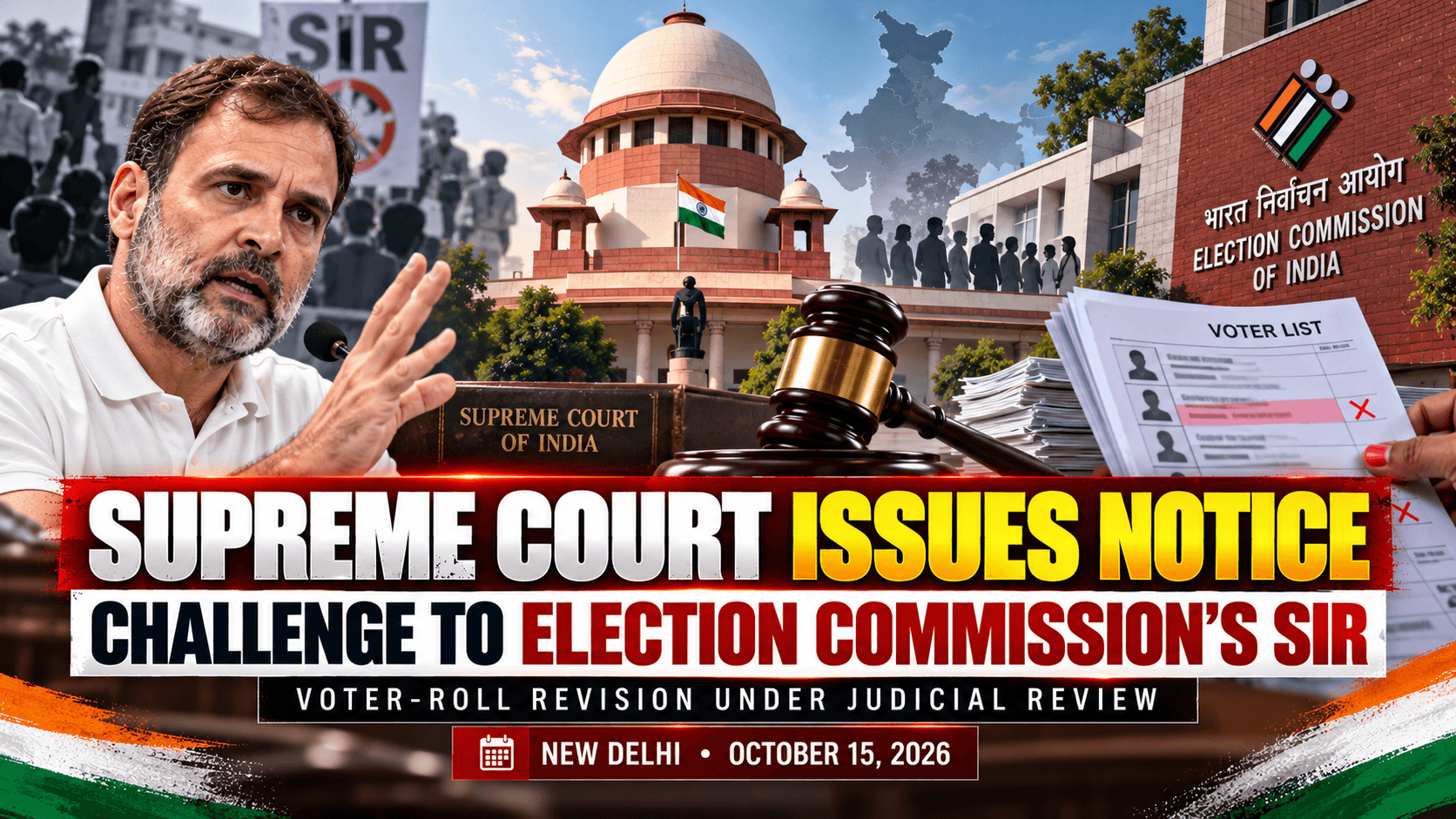
Supreme Court Notices Challenge to Election Commission’s SIR
The Supreme Court has issued a notice on a petition filed by Rahul Gandhi and other opposition figures contesting the Election Commission’s Special Intensive Revision of voter lists. The court’s order seeks explanations from the petitioners and may pause the SIR process pending further review.
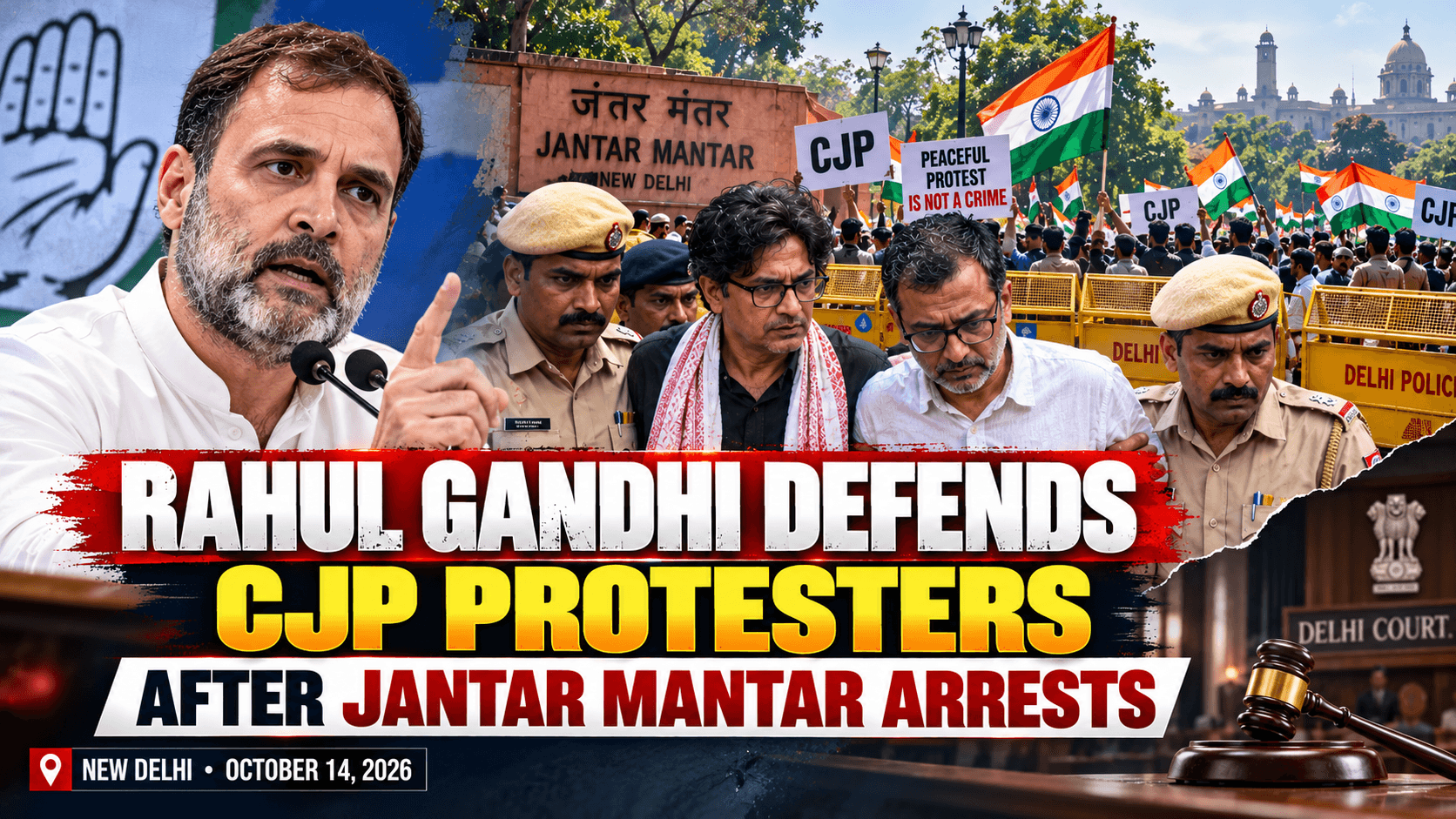
Rahul Gandhi Defends CJP Protesters After Jantar Mantar Arrests
Rahul Gandhi publicly condemned the arrest of Cockroach Janta Party leaders at Jantar Mantar, calling the detention of peaceful flag‑waving protesters a cowardly act. His statement signals a new alignment of opposition forces against the Centre’s decision to de‑notify the historic protest site.
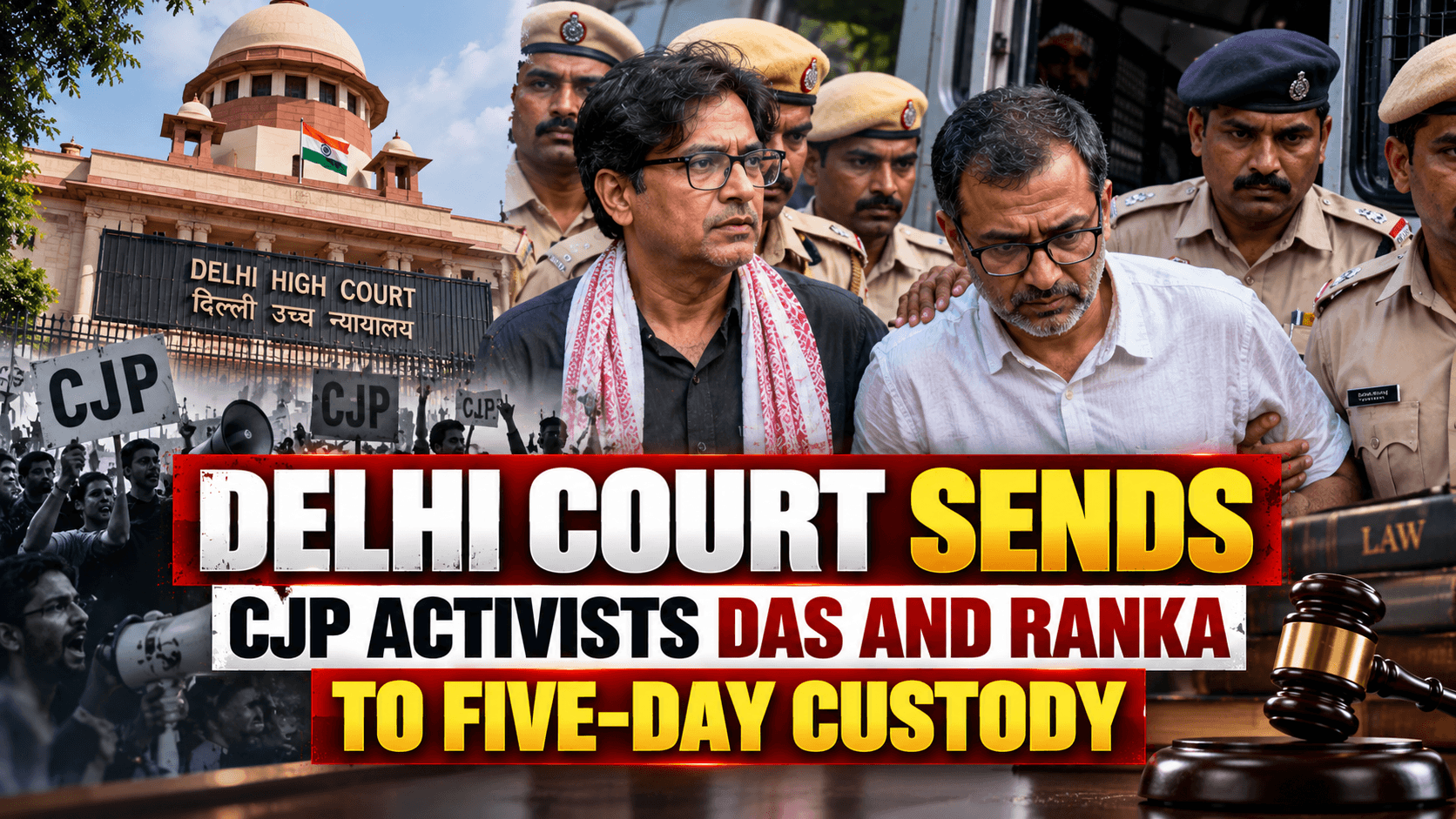
Delhi Court Sends CJP Activists Das and Ranka to Five‑Day Custody
The Special Executive Magistrate court ordered a five‑day judicial custody for CJP leaders Saurav Das and Ashutosh Ranka after they entered the barred Jantar Mantar area. The ruling follows a wave of protests over alleged irregularities in the election roll revision process.
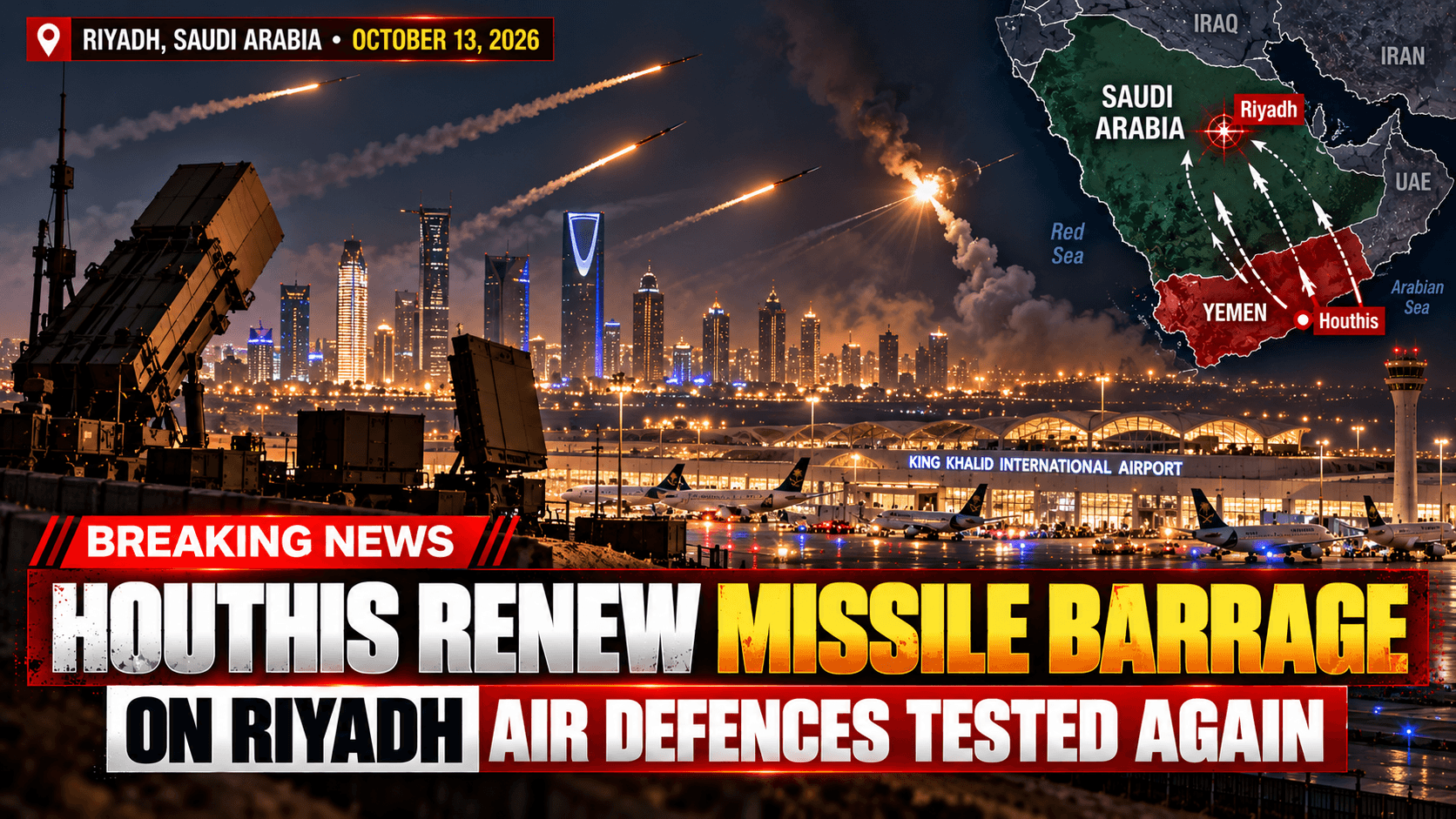
Houthis Renew Missile Barrage on Riyadh, Saudi Air Defences Tested Again
For the third consecutive day the Yemeni Houthi movement launched ballistic missiles toward Saudi Arabia’s capital, prompting interceptions and a renewed shutdown of Riyadh’s main airport. The attacks have strained Saudi air defences, disrupted international flights and raised regional security concerns.