
Houthis Renew Missile Barrage on Riyadh, Saudi Air Defences Tested Again
For the third consecutive day the Yemeni Houthi movement launched ballistic missiles toward Saudi Arabia’s capital, prompting interceptions and a renewed shutdown of Riyadh’s main airport. The attacks have strained Saudi air defences, disrupted international flights and raised regional security concerns.
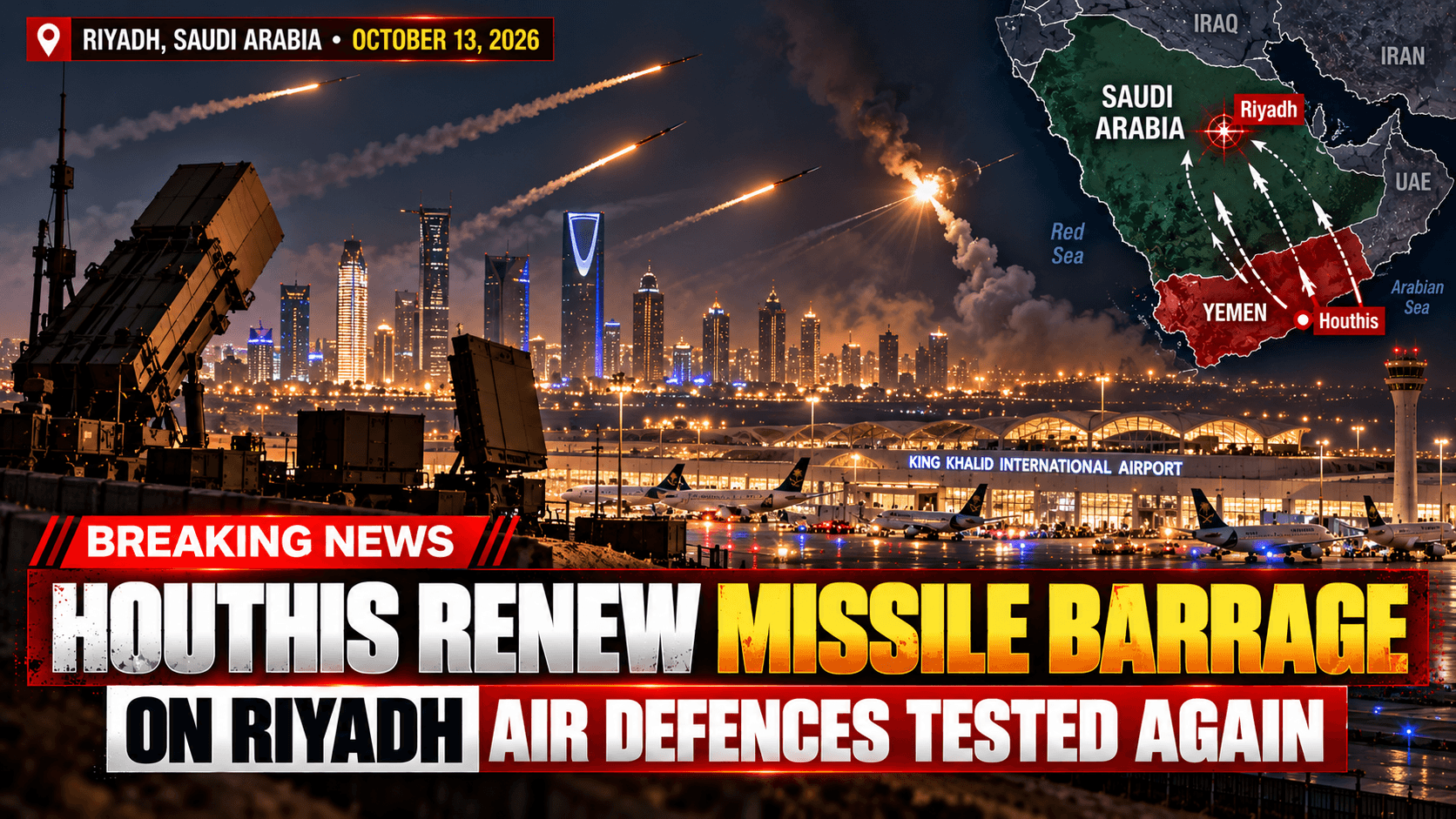
Saudi authorities reported yet another ballistic missile aimed at the capital on Monday night, marking the third straight day of Houthi‑initiated strikes against Riyadh. While the coalition’s air defence systems claimed to have neutralised the projectile, the incident reignited fears over the security of the kingdom’s airspace and its major aviation hub.
Background of the conflict
The Houthi movement, which controls Yemen’s most densely populated regions including Sanaa, has been locked in a protracted war with forces loyal to Yemen’s internationally recognised government. Since 2015, a Saudi‑led coalition has intervened, providing air support and backing ground operations. The hostilities have frequently spilled over into Saudi territory, especially targeting critical infrastructure.
Latest missile launches
According to Turki Al‑Maliki, the coalition’s spokesperson, the Houthis fired a single ballistic missile toward Riyadh and two additional missiles toward the southwestern city of Khamis Mushait. All three were reportedly intercepted and destroyed by Saudi air defences.
Residents of Riyadh described hearing a series of powerful explosions shortly after an emergency alert was sent to mobile phones, warning of an aerial threat. The Houthi military spokesman Yahya Saree claimed the intended target was King Khalid International Airport, a claim echoed by the group’s statements warning airlines to avoid Saudi airports except for the holy cities of Mecca and Medina.
Impact on Riyadh’s aviation hub
King Khalid International Airport has remained closed since a missile strike on Saturday that killed at least 13 people and injured more than 300. A subsequent attack on Sunday claimed one additional life and left 11 wounded. The Saudi Ministry of Transport announced that the airport would stay shut at least until the following Saturday, prompting airlines to cancel or suspend flights.
Etihad Airways announced the cancellation of all flights to and from Riyadh until the following week, extending the suspension to Dammam and Jeddah. Gulf Air followed suit, halting Riyadh services until Saturday. U.S. carrier Delta postponed the launch of its direct Atlanta‑Riyadh route, originally slated for 23 October.
Saudi response and investigation
Energy Minister Prince Abdulaziz bin Salman Al Saud, speaking at a Riyadh energy conference, described the recent airport attacks as a serious test of the kingdom’s resilience. He stressed that the nation’s Vision 2030 diversification plan must continue unabated despite the security challenges.
Simultaneously, Saudi officials opened a probe into the perceived failure of the country’s air‑defence network. Preliminary findings suggest that the Houthis first deployed a swarm of drones to clear a corridor, allowing a mix of cruise and ballistic missiles to reach the airport. The missiles reportedly possess maneuverable warheads, complicating interception by Patriot systems and other defensive assets.
Investigators also questioned why early warning systems did not flag the inbound threat, given the missiles and drones traveled more than 1,000 km (approximately 620 miles) from Yemen to Riyadh.
International reactions
Former U.S. President Donald Trump condemned the Houthi actions, labeling them “misbehaving very badly,” but stopped short of pledging any concrete intervention. In contrast, a senior Houthi political bureau member, Mohammed al‑Bukhaiti, warned that any U.S. involvement would provoke a swift and painful retaliation against American interests in the region.
Al‑Bukhaiti also urged workers at Saudi oil facilities and airports to stay away, branding these sites as legitimate targets. The warnings came amid broader concerns about the safety of the kingdom’s energy infrastructure, which has already endured several Houthi strikes.
Broader regional implications
The renewed missile barrage coincides with heightened tensions across the Middle East, spurred by the ongoing U.S.–Israel conflict with Iran and the broader proxy war in Yemen. The attacks have forced the postponement or cancellation of high‑profile events in Riyadh, including the flagship investment conference and the WPC Energy Congress, where top oil executives were slated to appear.
Analysts note that the Houthis’ ability to strike deep inside Saudi territory underscores the evolving capabilities of non‑state actors in the region. Their use of both drones and ballistic missiles, coupled with sophisticated guidance systems, challenges traditional air‑defence doctrines.
As Saudi Arabia grapples with safeguarding its critical infrastructure, the international community watches closely. The ongoing conflict not only threatens lives but also disrupts global aviation routes and energy markets, highlighting the interconnected nature of security and economics in the Gulf.
Key take‑aways
The Houthis launched a ballistic missile toward Riyadh and two toward Khamis Mushait on the third consecutive day of attacks.
Saudi air‑defence forces claim to have intercepted all three missiles, yet the threat has forced the prolonged closure of King Khalid International Airport.
Airlines from the UAE, Bahrain, and the United States have suspended or delayed services to Saudi destinations.
Investigations point to a coordinated drone‑and‑missile strategy that overwhelms existing defence systems.
Regional leaders warn that any further escalation could draw additional foreign powers into the conflict.
In sum, the latest wave of Houthi missile attacks has tested Saudi Arabia’s defensive readiness, disrupted international travel, and intensified diplomatic tensions across the Middle East.
Latest Posts

Teen Arrested After Faulty Rifle Foils Hindu Temple Shooting Plot
A 19‑year‑old Taco Bell employee in Illinois was detained after a jammed rifle prevented a planned mass shooting at a Hindu temple. Police recovered weapons, extremist material, and a manifesto outlining white‑supremacist motives.
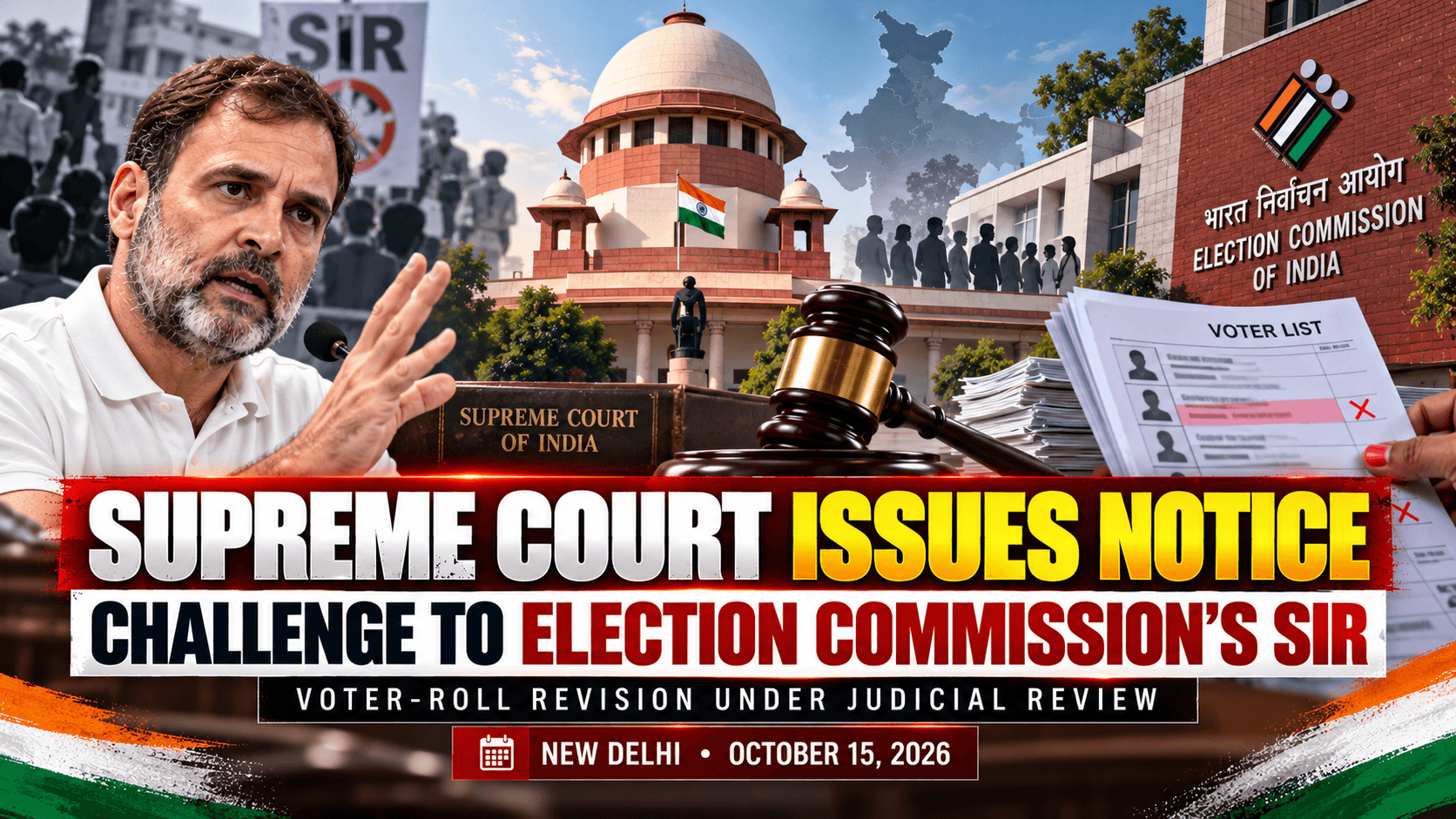
Supreme Court Notices Challenge to Election Commission’s SIR
The Supreme Court has issued a notice on a petition filed by Rahul Gandhi and other opposition figures contesting the Election Commission’s Special Intensive Revision of voter lists. The court’s order seeks explanations from the petitioners and may pause the SIR process pending further review.
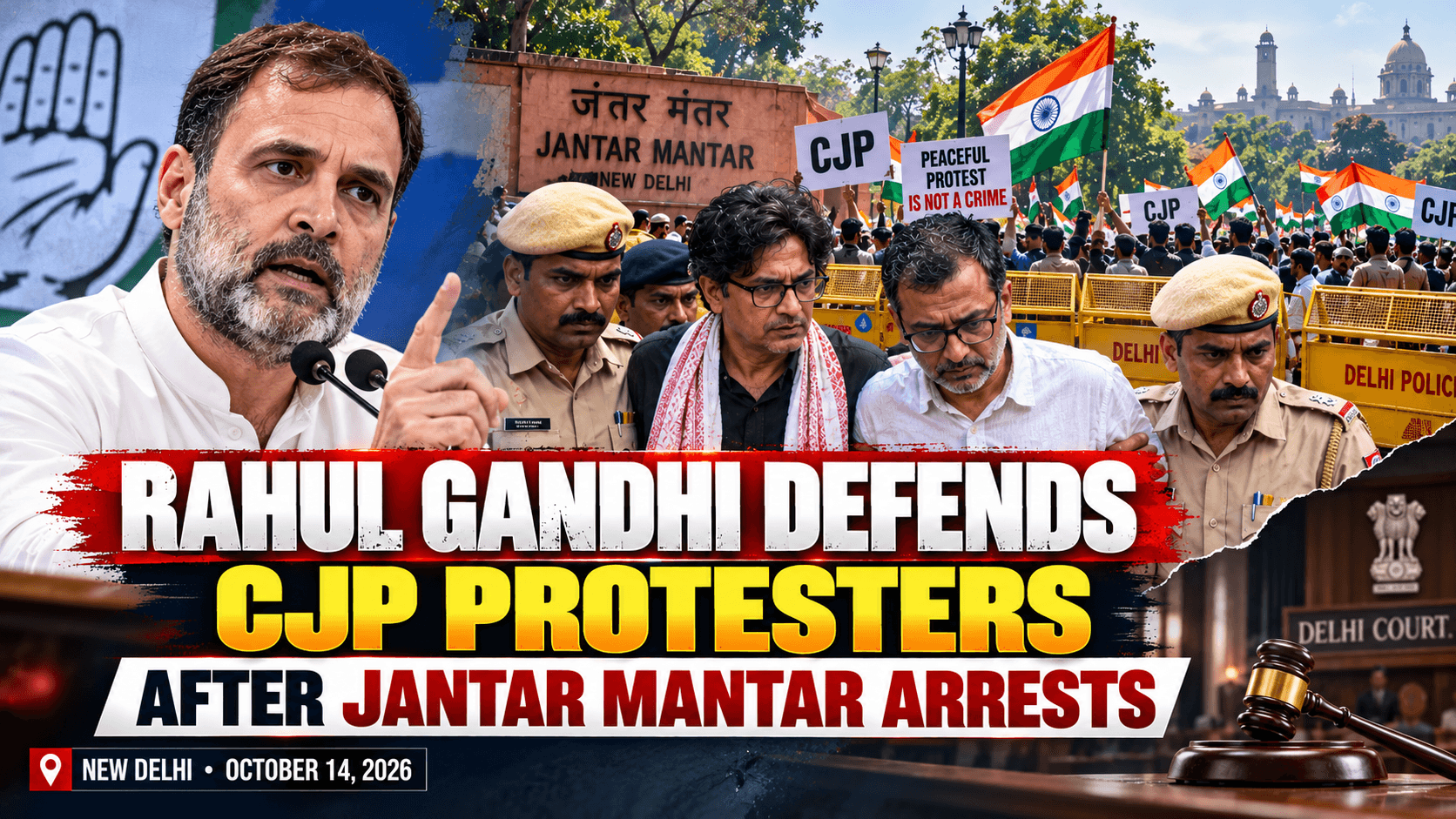
Rahul Gandhi Defends CJP Protesters After Jantar Mantar Arrests
Rahul Gandhi publicly condemned the arrest of Cockroach Janta Party leaders at Jantar Mantar, calling the detention of peaceful flag‑waving protesters a cowardly act. His statement signals a new alignment of opposition forces against the Centre’s decision to de‑notify the historic protest site.
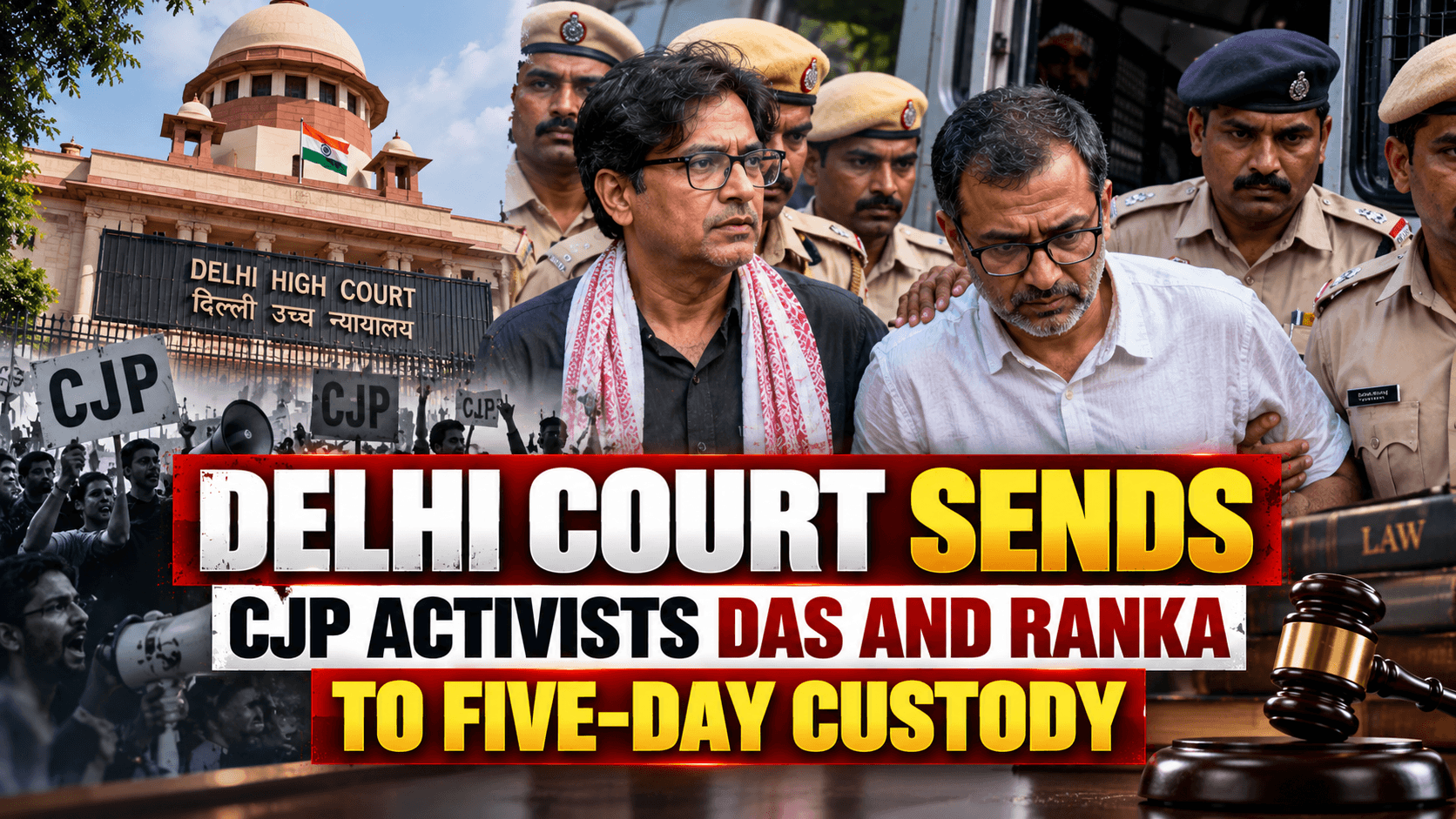
Delhi Court Sends CJP Activists Das and Ranka to Five‑Day Custody
The Special Executive Magistrate court ordered a five‑day judicial custody for CJP leaders Saurav Das and Ashutosh Ranka after they entered the barred Jantar Mantar area. The ruling follows a wave of protests over alleged irregularities in the election roll revision process.
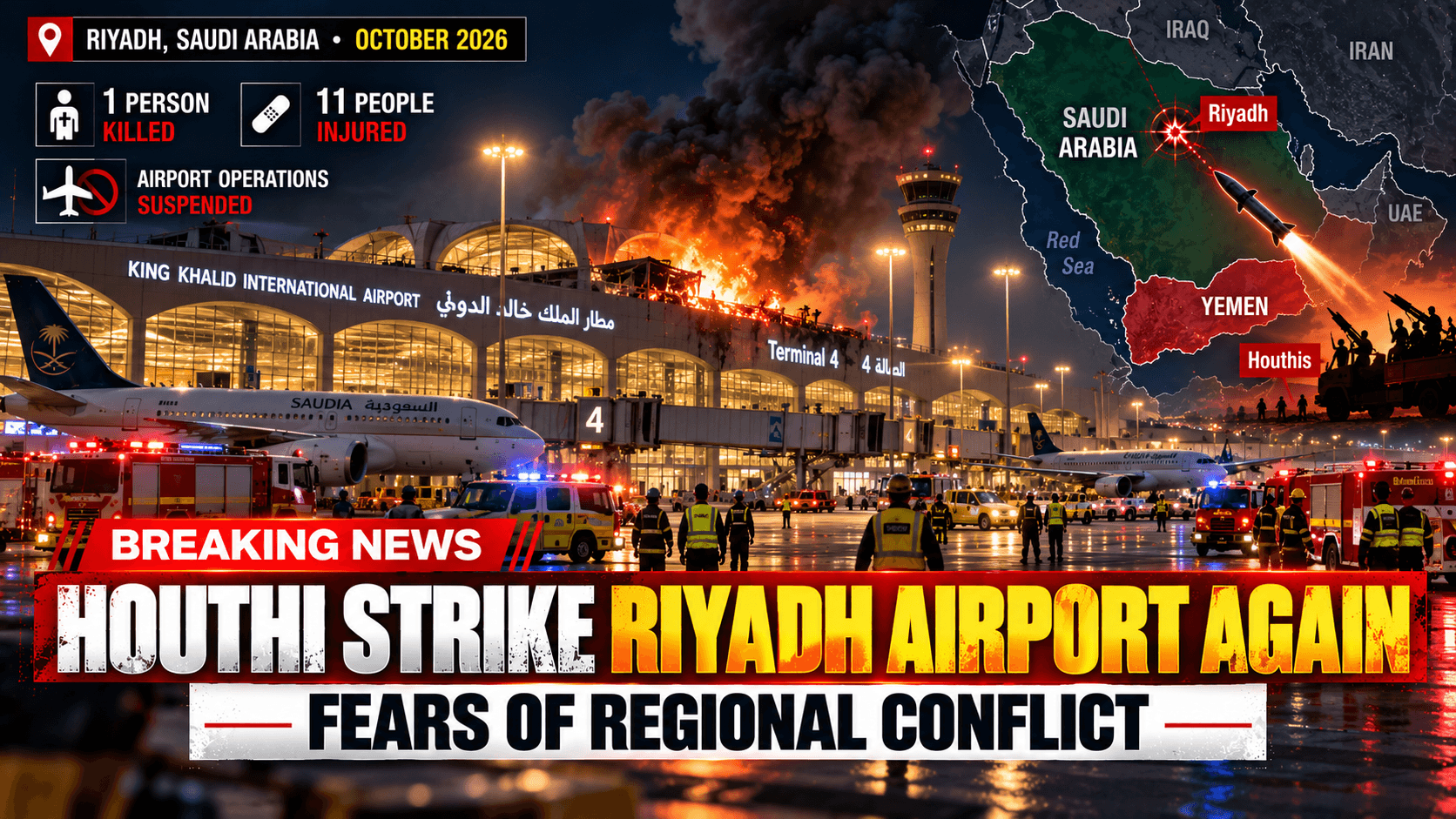
Houthis Strike Riyadh Airport Again, Raising Fears of Regional Conflict
The Houthi movement launched a fresh missile assault on King Khalid International Airport, killing dozens and wounding hundreds. Saudi Arabia vows a strong response as regional tensions rise.