
Tanker Struck by Projectiles Near Qatar Raises Concerns Over Gulf Shipping Security
A commercial tanker was hit by several projectiles roughly 94 km north of Qatar’s northern tip, prompting renewed worries about vessel safety in the Persian Gulf. The incident follows a spike in attacks on ships transiting the already volatile Strait of Hormuz.
The United Kingdom Maritime Trade Operations (UKMTO) confirmed that a tanker sailing off Qatar’s northern coastline was struck by multiple projectiles, igniting fresh alarm over the security of commercial navigation in the Persian Gulf. While details about casualties remain scarce, the episode adds to a growing pattern of maritime aggression that has already disrupted one of the world’s most crucial oil corridors.
Incident Overview
According to UKMTO, the vessel was hit by several rounds of fire roughly 94 kilometres (58 miles) north of the town of Madinat ash Shamal. The agency did not disclose the flag or ownership of the tanker, nor did it reveal the exact number of injuries or fatalities. Authorities are reportedly conducting a thorough investigation to determine the source of the attack and assess the extent of any damage.
Location and Immediate Impact
The strike occurred within Qatar’s Exclusive Economic Zone, a region that has generally enjoyed relative calm compared with the more contested waters of the Strait of Hormuz. Nevertheless, the incident marks a rare breach of safety in the western portion of the Gulf, an area that commercial operators have historically considered less prone to hostile actions.
Maritime analysts from The Maritime Executive noted that this is the first confirmed assault on a tanker in the western Gulf in recent weeks, underscoring a possible shift in the geographical focus of maritime threats.
Context of Recent Gulf Threats
UKMTO’s latest bulletin arrives on the heels of a documented uptick in attacks on vessels navigating the Strait of Hormuz. Earlier this week, the agency reported nine separate assaults on tankers within the strait during the current month—accounting for half of all incidents recorded across the Gulf and the adjoining waters in September.
These developments come after a dramatic escalation that began on 28 February, when the United States and Israel launched a coordinated strike campaign against Iranian targets. In retaliation, Iran effectively sealed the strait, while the United States imposed a naval blockade on Iranian ports, intensifying the risk environment for commercial shipping.
Strategic Importance of the Strait of Hormuz
The Strait of Hormuz remains a chokepoint of unparalleled strategic value. Before the onset of the US‑Israel‑Iran confrontation, an estimated 125 large commercial vessels traversed the narrow channel each day, carrying roughly 20 % of the world’s crude oil and liquefied natural gas supplies. Disruption of this flow can reverberate across global energy markets, influencing price volatility and supply chain stability.
Even though the recent projectile attack took place outside the strait, it serves as a stark reminder that the broader Gulf region is increasingly vulnerable to maritime sabotage, especially as rival powers vie for influence and leverage.
Oil Export Trends Amid Heightened Tensions
Despite the surge in hostile encounters, recent data suggests that oil shipments from the Middle East have rebounded to, and in some instances surpassed, pre‑conflict levels. According to Kpler, a market‑intelligence firm, the seven‑day moving average of regional crude exports reached 18.3 million barrels per day (bpd) on 30 September, edging above the 18 million bpd average recorded over the twelve months preceding the war.
This resilience in export volumes indicates that, while shipping routes face intermittent threats, the underlying infrastructure and demand for Gulf oil remain robust. However, sustained attacks could eventually erode confidence, prompting rerouting, higher insurance premiums, and potential shifts in supply dynamics.
International Reactions and Outlook
Qatar has yet to issue an official comment on the incident, leaving the international community to speculate about the motivations behind the assault. Regional stakeholders, including Saudi Arabia, the United Arab Emirates, and Oman, have historically called for the de‑escalation of maritime hostilities, emphasizing the need for safe passage under international law.
Meanwhile, Western navies continue to patrol the Gulf and the strait, offering escort services to high‑risk vessels and conducting surveillance operations to deter further aggression. The United Kingdom, through UKMTO, remains a primary source of incident reporting, highlighting its commitment to maintaining transparency and safety for global trade.
Looking ahead, the frequency of such attacks could influence diplomatic negotiations surrounding the broader US‑Israel‑Iran conflict. A prolonged pattern of disruptions may compel regional actors to seek a multilateral framework that balances security concerns with the economic imperatives of uninterrupted oil flow.
Key Takeaways
The tanker hit near Qatar underscores expanding maritime threats beyond the traditionally volatile Strait of Hormuz.
UKMTO reported nine tanker attacks in the strait this month, signaling a sharp increase in hostilities.
Despite these incidents, Middle East crude exports have marginally outpaced pre‑war averages, reflecting market resilience.
International stakeholders are urging restraint, but the lack of a clear response from Qatar adds uncertainty.
Continued aggression could reshape shipping routes, insurance costs, and broader geopolitical negotiations.
As the Persian Gulf navigates an increasingly precarious security landscape, ship owners, insurers, and policymakers will need to adapt swiftly to safeguard one of the world’s most vital arteries for energy transport.
Latest Posts

Teen Arrested After Faulty Rifle Foils Hindu Temple Shooting Plot
A 19‑year‑old Taco Bell employee in Illinois was detained after a jammed rifle prevented a planned mass shooting at a Hindu temple. Police recovered weapons, extremist material, and a manifesto outlining white‑supremacist motives.

Supreme Court Notices Challenge to Election Commission’s SIR
The Supreme Court has issued a notice on a petition filed by Rahul Gandhi and other opposition figures contesting the Election Commission’s Special Intensive Revision of voter lists. The court’s order seeks explanations from the petitioners and may pause the SIR process pending further review.

Rahul Gandhi Defends CJP Protesters After Jantar Mantar Arrests
Rahul Gandhi publicly condemned the arrest of Cockroach Janta Party leaders at Jantar Mantar, calling the detention of peaceful flag‑waving protesters a cowardly act. His statement signals a new alignment of opposition forces against the Centre’s decision to de‑notify the historic protest site.
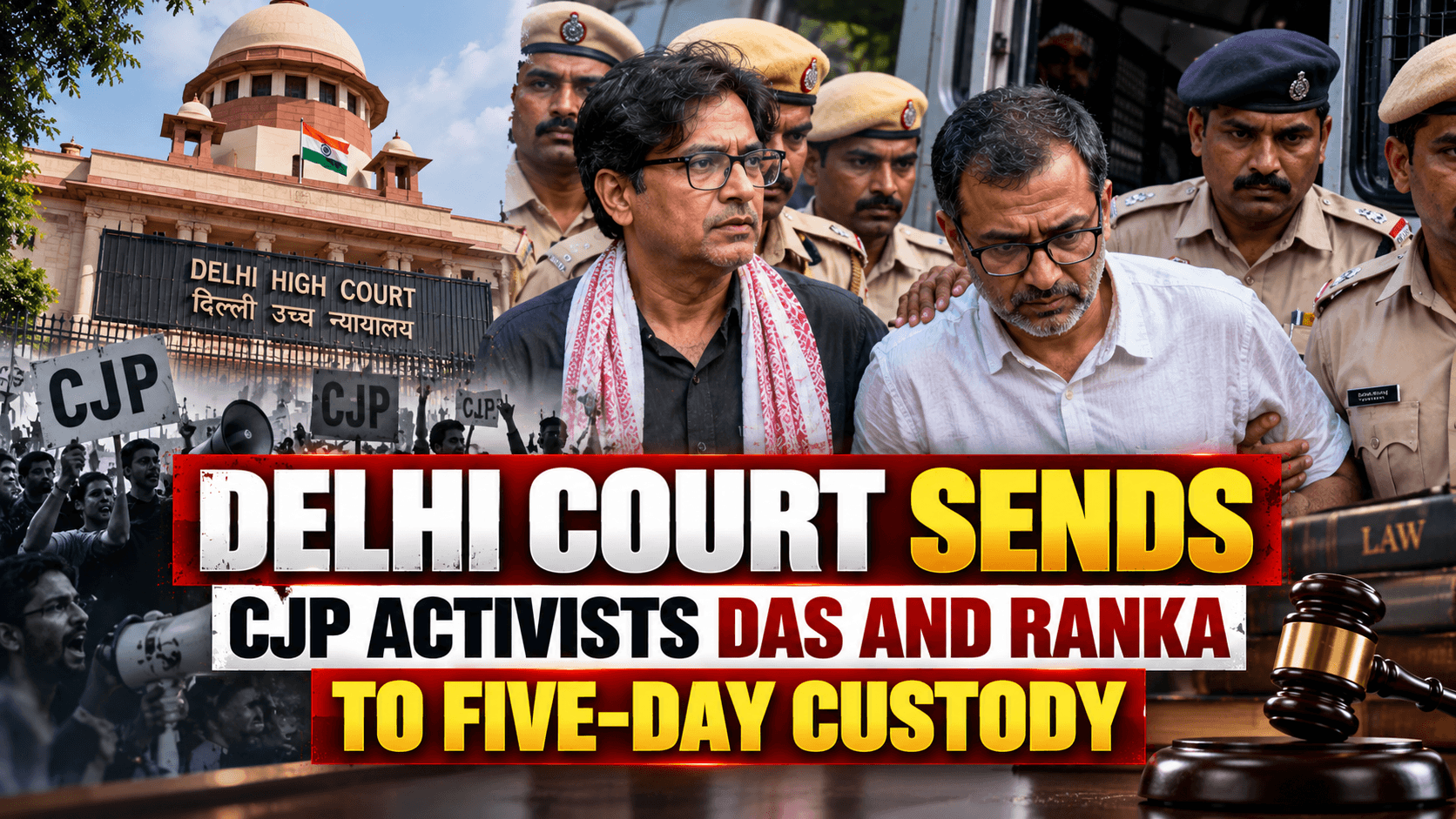
Delhi Court Sends CJP Activists Das and Ranka to Five‑Day Custody
The Special Executive Magistrate court ordered a five‑day judicial custody for CJP leaders Saurav Das and Ashutosh Ranka after they entered the barred Jantar Mantar area. The ruling follows a wave of protests over alleged irregularities in the election roll revision process.
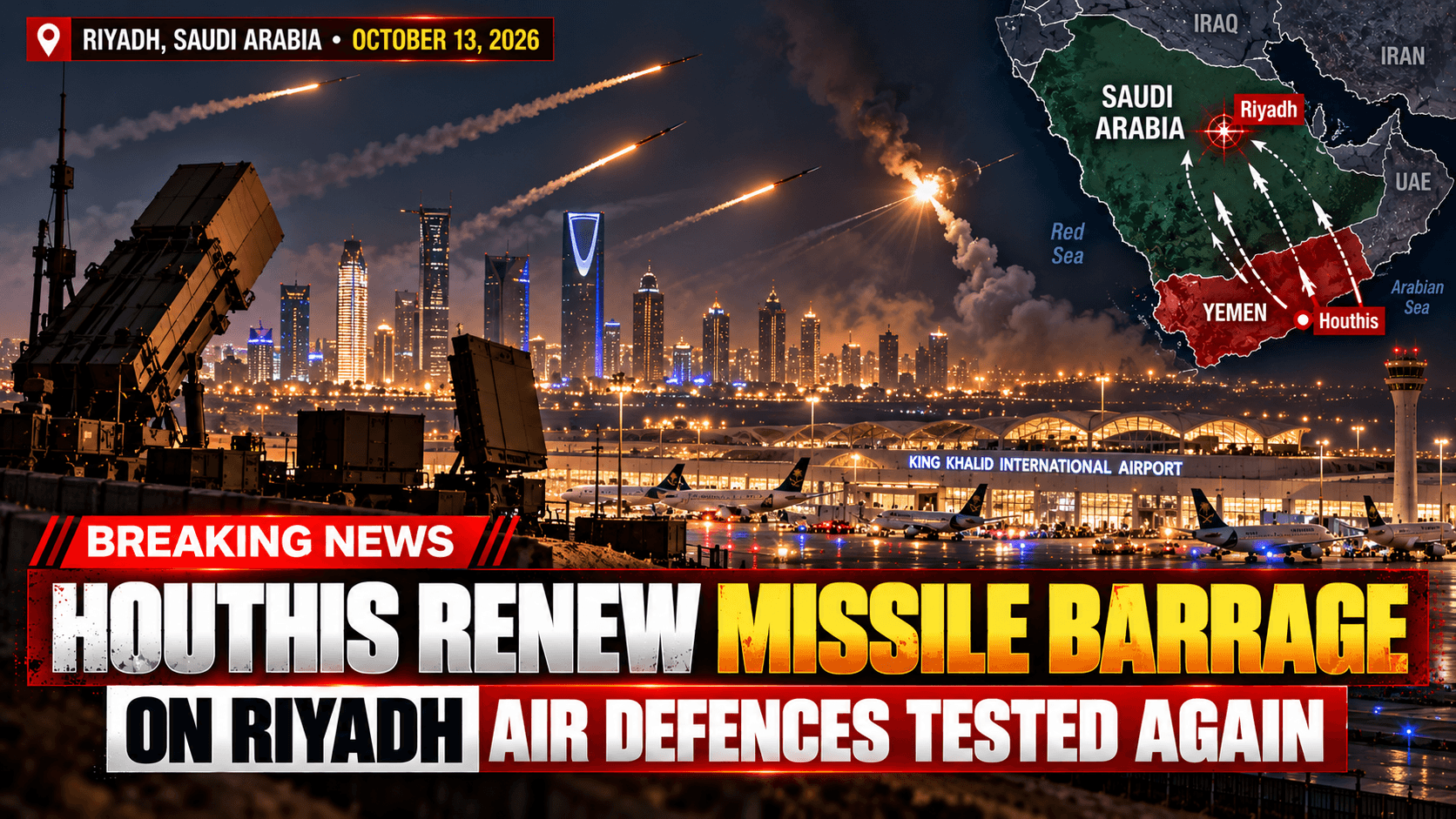
Houthis Renew Missile Barrage on Riyadh, Saudi Air Defences Tested Again
For the third consecutive day the Yemeni Houthi movement launched ballistic missiles toward Saudi Arabia’s capital, prompting interceptions and a renewed shutdown of Riyadh’s main airport. The attacks have strained Saudi air defences, disrupted international flights and raised regional security concerns.
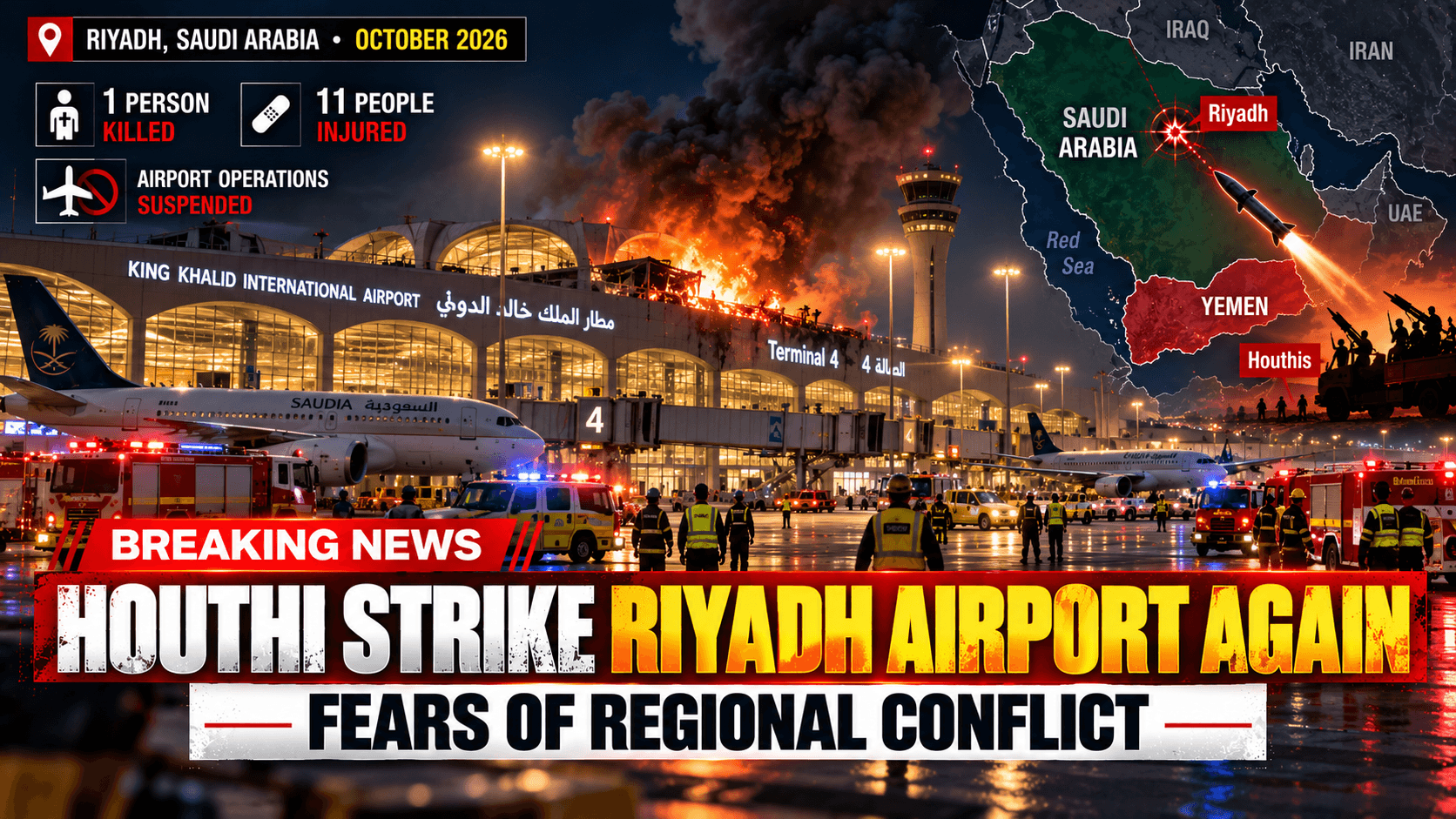
Houthis Strike Riyadh Airport Again, Raising Fears of Regional Conflict
The Houthi movement launched a fresh missile assault on King Khalid International Airport, killing dozens and wounding hundreds. Saudi Arabia vows a strong response as regional tensions rise.