
IIT Bombay Apologizes, Suspends Professor Amid Student Suicide Inquiry
IIT Bombay issued a formal apology for its earlier statements about a student’s death and placed a professor on suspension while students demand an independent probe. The episode has reignited debates over campus discrimination, mental‑health support, and procedural transparency at elite Indian institutes.
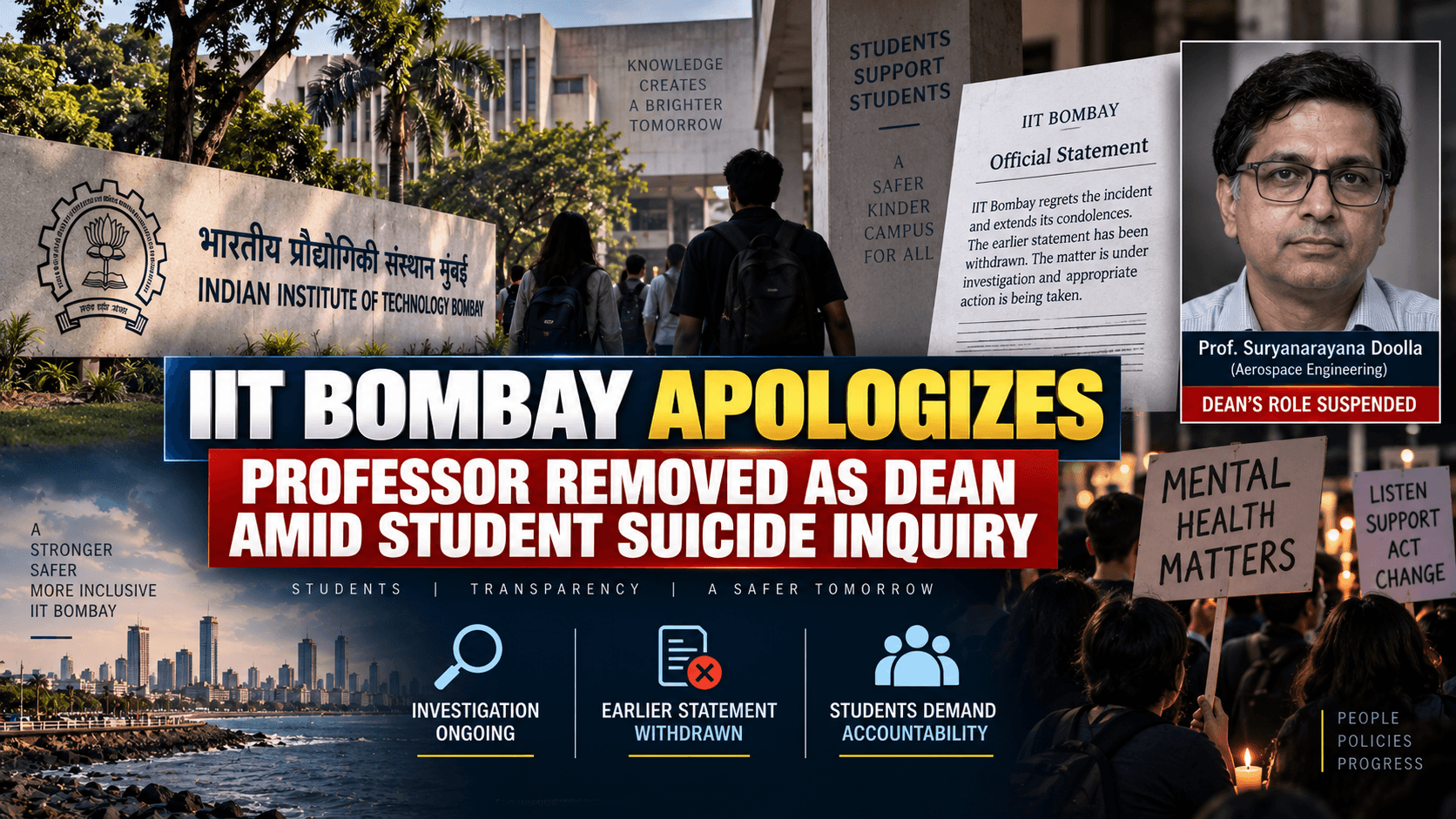
The Indian Institute of Technology Bombay found itself at the centre of a heated controversy after a second‑year engineering student died by suicide in his hostel. Three days of student protests prompted the university to issue an apology for the language used in its initial press release and to suspend the dean‑professor involved in the examination incident.
Background of the Tragedy
On a Friday morning, Sahil Wakode, a 22‑year‑old BTech candidate, was discovered lifeless in his dormitory shortly after a mid‑semester test. The institute’s first statement suggested the student had attempted to cheat by uploading the exam paper to an AI tool and that faculty had counselled him without imposing any disciplinary action.
Chronology of Institutional Responses
Initial Communication
Within hours of the death, the university posted a notice on its official X (formerly Twitter) account describing the incident as a result of an academic integrity breach. The notice highlighted that the student had accessed a smartphone during the test, sought answers via ChatGPT, and was later spoken to by the course instructor and department head.
Student Outcry and Demands
Students quickly labelled the statement as tone‑deaf, arguing that it reduced a tragic loss to a procedural footnote. They called for an independent investigation, revisions to disciplinary protocols, and stronger safeguards for mental‑health concerns. A petition demanding an autonomous inquiry gathered hundreds of signatures.
University’s Revised Statement
On Monday, the administration released a new communiqué apologising for the earlier wording and acknowledging that it was "inappropriate to characterise events before a thorough investigation was completed." The notice also clarified that the institute’s director, Shireesh Kedare, had not resigned, countering earlier rumours.
Reactions Across the Campus
Student Protests
Demonstrators occupied the main gate, chanting for transparency and urging the Board of Governors to convene an emergency meeting. They also pressed for changes to the institute’s grievance mechanisms, especially those dealing with alleged caste‑based harassment.
Faculty Forum’s Stance
The Faculty Forum rallied behind Prof. Suryanarayana Doolla, the professor who had discovered the alleged cheating. The forum argued that Doolla was merely executing his duties according to institutional guidelines and that the allegations against him were unfounded.
Political and Public Figures
Several political personalities entered the fray. A BJP district president denounced the FIR filed under the SC/ST (Prevention of Atrocities) Act, calling the legal action a "weaponisation" of the law. Prominent tech entrepreneur Sridhar Vembu echoed the sentiment, urging that the professor not be penalised. Conversely, Shiv Sena’s Priyanka Chaturvedi warned against scapegoating educators while highlighting the broader need for mental‑health reforms.
Legal Developments and Allegations
Wakode’s parents filed a police complaint alleging caste‑based discrimination and harassment. The FIR named Prof. Doolla and others for abetment of suicide under the SC/ST Act. IIT Bombay, however, stated that no formal grievance had been lodged with its SC/ST Students and Staff Cell, and the allegation remains under police scrutiny. Following the FIR, Prof. Doolla stepped down from his administrative role.
Previous Unnatural Deaths on Campus
This incident marks the third “unnatural death” at IIT Bombay within a seven‑month span. In February, a civil engineering student fell from a hostel terrace; the death was ruled accidental. In July, a materials science student was found dead in his room, with police citing personal and family stresses as possible factors. These cases have intensified scrutiny over student well‑being at premier engineering institutions.
National Context of Student Suicides
Similar tragedies have unfolded at other IITs. At IIT Delhi, a first‑year civil engineering student died in March, prompting a police case of abetment of suicide. Earlier, IIT Bombay itself saw the suicide of an 18‑year‑old freshman who also alleged caste discrimination, a claim later reflected in a police chargesheet. Collectively, these incidents have spurred calls for systemic reforms across the Indian higher‑education landscape.
Institutional Measures and Calls for Reform
In response to mounting pressure, several IITs have announced enhanced counselling services, stress‑management workshops, and revised examination monitoring protocols. IIT Kharagpur’s director, Suman Chakraborty, recently posted an encouraging message ahead of exams, emphasizing that academic performance does not define a student’s worth. Nonetheless, critics argue that isolated gestures are insufficient without structural changes to campus culture.
Looking Ahead
The Board of Governors at IIT Bombay is slated to convene an emergency session, after which Director Kedare is expected to hold an open dialogue with the student body. The outcome of the police investigation, the university’s internal review, and the broader societal debate over caste, mental health, and academic pressure will shape the institute’s next steps. Stakeholders across academia, politics, and civil society continue to watch closely, hoping that this painful episode leads to lasting reforms rather than temporary band‑aid solutions.
Latest Posts

Teen Arrested After Faulty Rifle Foils Hindu Temple Shooting Plot
A 19‑year‑old Taco Bell employee in Illinois was detained after a jammed rifle prevented a planned mass shooting at a Hindu temple. Police recovered weapons, extremist material, and a manifesto outlining white‑supremacist motives.
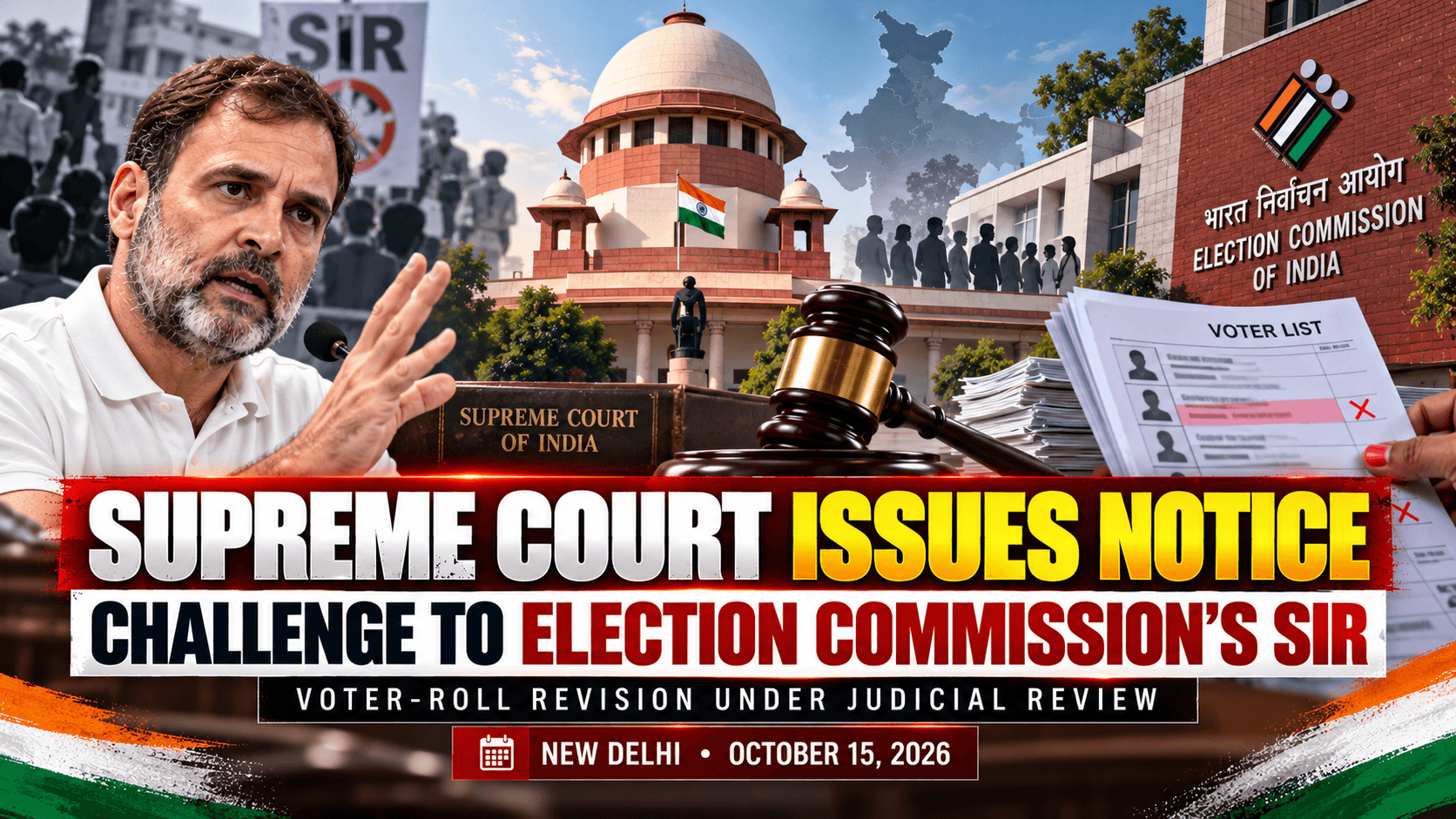
Supreme Court Notices Challenge to Election Commission’s SIR
The Supreme Court has issued a notice on a petition filed by Rahul Gandhi and other opposition figures contesting the Election Commission’s Special Intensive Revision of voter lists. The court’s order seeks explanations from the petitioners and may pause the SIR process pending further review.
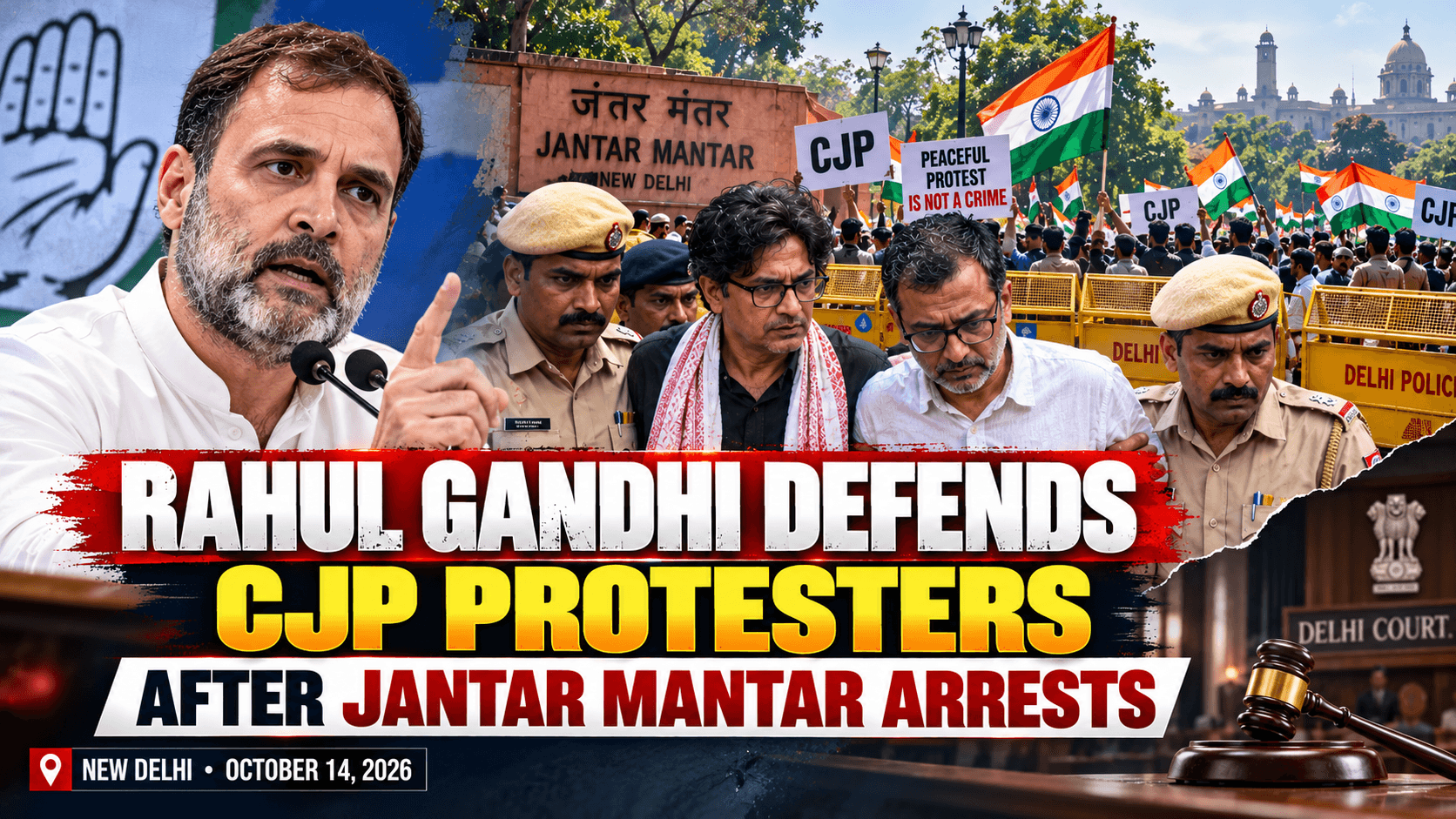
Rahul Gandhi Defends CJP Protesters After Jantar Mantar Arrests
Rahul Gandhi publicly condemned the arrest of Cockroach Janta Party leaders at Jantar Mantar, calling the detention of peaceful flag‑waving protesters a cowardly act. His statement signals a new alignment of opposition forces against the Centre’s decision to de‑notify the historic protest site.
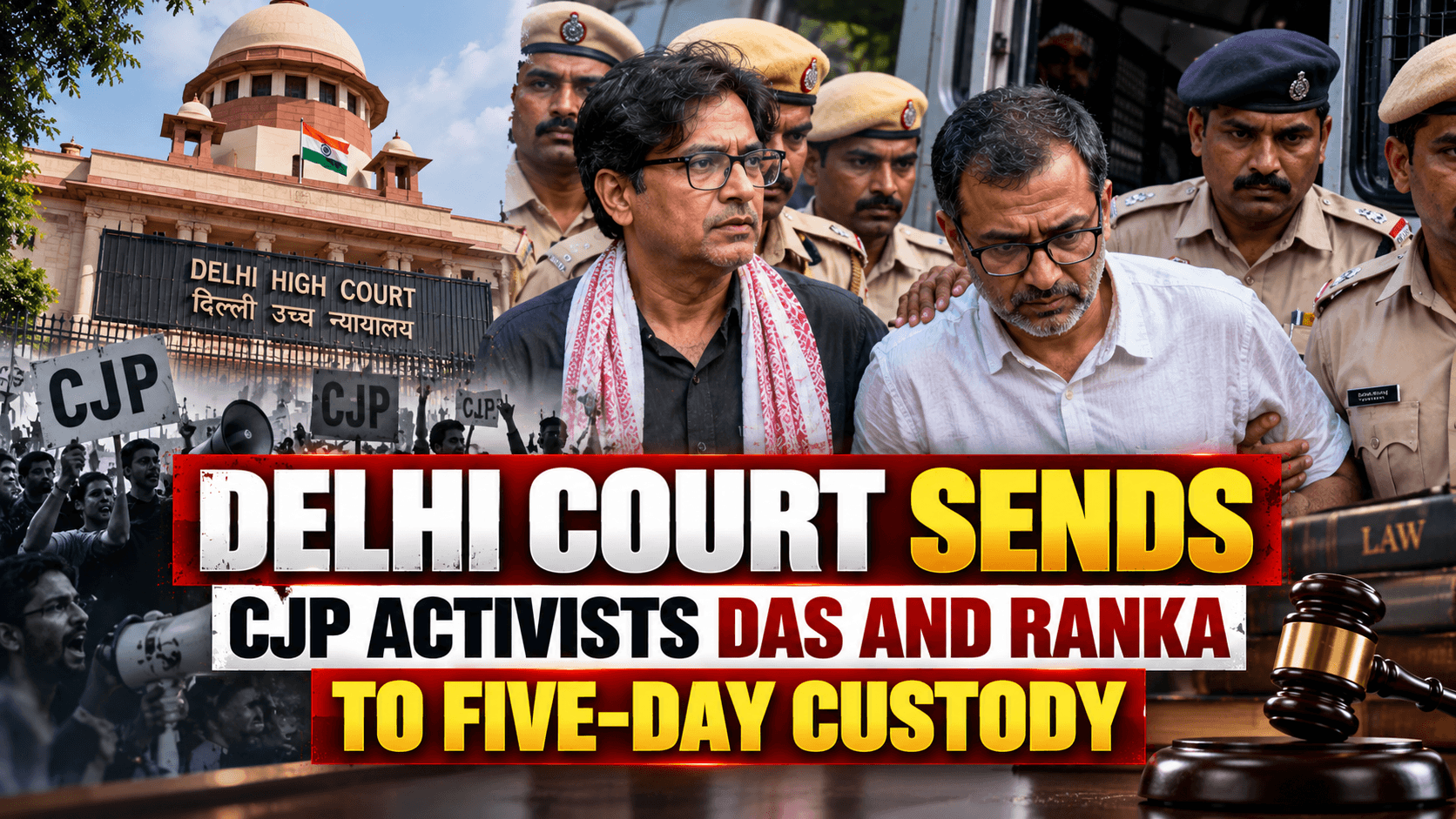
Delhi Court Sends CJP Activists Das and Ranka to Five‑Day Custody
The Special Executive Magistrate court ordered a five‑day judicial custody for CJP leaders Saurav Das and Ashutosh Ranka after they entered the barred Jantar Mantar area. The ruling follows a wave of protests over alleged irregularities in the election roll revision process.

Houthis Renew Missile Barrage on Riyadh, Saudi Air Defences Tested Again
For the third consecutive day the Yemeni Houthi movement launched ballistic missiles toward Saudi Arabia’s capital, prompting interceptions and a renewed shutdown of Riyadh’s main airport. The attacks have strained Saudi air defences, disrupted international flights and raised regional security concerns.

Houthis Strike Riyadh Airport Again, Raising Fears of Regional Conflict
The Houthi movement launched a fresh missile assault on King Khalid International Airport, killing dozens and wounding hundreds. Saudi Arabia vows a strong response as regional tensions rise.