
Doklam Standoff Triggers $185 Million Loan Freeze at ICBC’s Mumbai Branch
In the wake of the 2017 Doklam confrontation, China’s Industrial and Commercial Bank of China halted $185 million in approved financing at its sole Indian outlet. The move, detailed in leaked internal documents, reveals how geopolitical tension can directly reshape a bank’s risk‑taking behaviour.
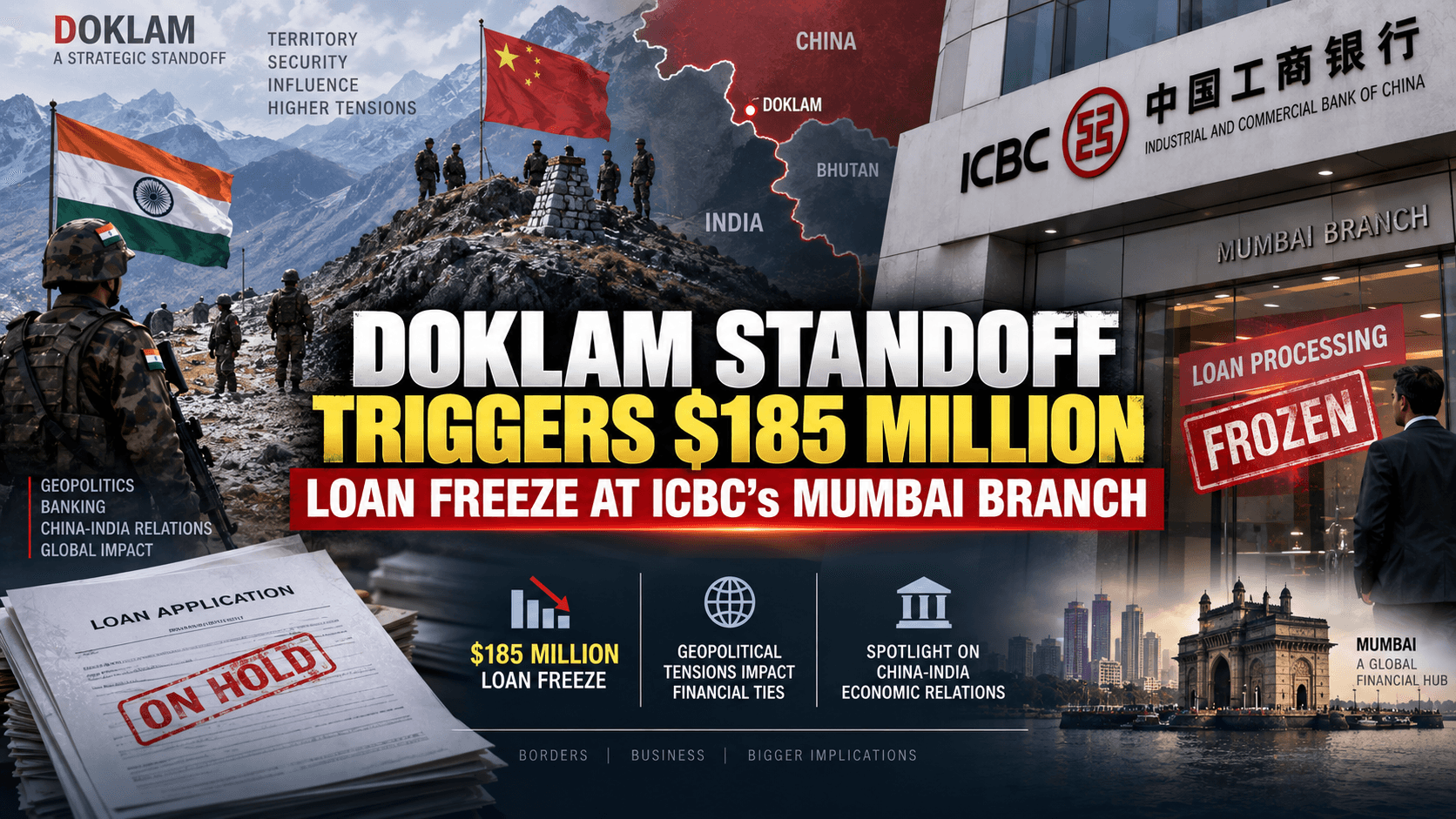
When the People’s Liberation Army and Indian forces locked horns at the disputed tri‑junction of Doklam in 2017, the reverberations travelled far beyond the Himalayan foothills. More than 2,000 kilometres away, in the bustling financial district of Mumbai, the Industrial and Commercial Bank of China (ICBC) – the world’s largest lender by assets – took decisive steps to shield its balance sheet from the fallout of the standoff.
Background: The Doklam Confrontation
Doklam, a small plateau where the borders of India, Bhutan and China converge, became the flashpoint of a 73‑day military deadlock in mid‑2017. Chinese troops attempted to extend a road into territory claimed by Bhutan, prompting India to intervene militarily to protect its ally. Skirmishes resulted in casualties on both sides before diplomatic negotiations forced a mutual disengagement in August 2017.
Why a Bank in Mumbai Felt the Tremor
ICBC’s Mumbai office, located in the One BKC tower, is the only Chinese state‑owned bank branch operating in India. As a subsidiary of a bank that sits at the apex of China’s financial system, the Mumbai unit is tightly linked to Beijing’s strategic objectives. When the border tension escalated, the head office in Beijing issued a series of precautionary instructions aimed at insulating the bank’s overseas exposure.
Internal Documents Reveal a Swift Reaction
A cache of internal memos, part of the massive "China Capital" leak investigated by the International Consortium of Investigative Journalists (ICIJ), sheds light on the steps taken by the Mumbai branch. The documents – a 178‑page work summary dated January 2018 and marked "confidential, not for external distribution" – detail how the branch responded to the geopolitical shock.
Loan and investment freeze: Eleven projects that had already cleared internal approval but were yet to be disbursed were put on hold. The combined value of these loans and bond investments amounted to roughly $185 million.
Revenue impact: The suspension shaved approximately $6.36 million off the branch’s operating revenue, contributing to a shortfall that left the unit achieving only 57.7% of its annual profit target.
Party oversight: Members of the Chinese Communist Party (CCP) were stationed in every department, maintaining a constant line of communication with the Chinese embassy and consulate in India.
Contingency planning: Detailed risk‑mitigation scenarios were drafted and transmitted to the Beijing headquarters, outlining steps to curb credit exposure and preserve capital.
The Role of the Party Within the Bank
The leaked files also highlight the intertwining of party politics with banking operations. ICBC, like its domestic peers – Bank of China, Agricultural Bank of China and China Construction Bank – runs an internal Party Committee that influences strategic decisions. In the Mumbai office, the report notes a “strengthening of grassroots Party organization” as a means to weather the "adverse impact of border incursions".
Employees were encouraged to attend "CEO tea sessions" and informal one‑on‑one meetings, fostering a culture of transparency amid the uncertainty. Social gatherings were organized for local staff to alleviate anxiety, reflecting a blend of corporate risk management and political loyalty.
How the Leak Came to Light
The documents originated from ICBC’s London branch, where a trove of 4.8 million records spanning 2005‑2024 was harvested by a hacking collective known as Hunters International. After being passed to the ICIJ, the material was shared with 24 media outlets across 75 journalists in 24 countries, including The Indian Express, The Times of London and Germany’s Der Spiegel.
While the dataset contains confidential client lists, trade‑secret reports and internal performance reviews, the portion relevant to the Doklam episode offers a rare glimpse into how a state‑backed bank calibrates its overseas activities in response to diplomatic friction.
Wider Implications for China‑India Economic Ties
ICBC’s swift curtailment of credit lines is emblematic of a broader pattern: China’s financial institutions often act as extensions of state policy. The bank’s London hub, for instance, has been documented facilitating transactions for Russian and Belarusian entities under sanctions, as well as for firms aligned with Beijing’s Belt and Road Initiative.
India, however, has largely stayed away from the Belt and Road projects, opting for its own strategic infrastructure programmes. The Doklam episode underscores how even limited bilateral friction can spill over into the financial realm, prompting Chinese banks to reassess exposure and tighten controls.
Key Takeaways
During the 2017 Doklam crisis, ICBC’s only Indian branch halted $185 million in approved financing.
The freeze trimmed operating revenue by about $6.36 million and left the branch achieving just 57.7% of its profit target.
CCP cadres were embedded across the Mumbai office, maintaining constant liaison with Chinese diplomatic missions.
The information originates from a confidential 178‑page internal report, part of a leaked archive covering two decades of ICBC activity.
The dataset was obtained by a hacking group and disseminated by the ICIJ’s multi‑national "China Capital" investigation.
ICBC declined to comment on the findings when approached by journalists.
Conclusion
The Doklam standoff may have been resolved on the ground within three months, but its financial aftershocks persisted long after the troops withdrew. By freezing a substantial tranche of loans and deploying party operatives on the shop‑floor, ICBC demonstrated how geopolitical risk management is woven into the fabric of China’s banking apparatus. For observers of Sino‑Indian relations, the episode serves as a reminder that diplomatic disputes can quickly translate into concrete financial actions, reshaping the flow of capital across borders.
Latest Posts

Teen Arrested After Faulty Rifle Foils Hindu Temple Shooting Plot
A 19‑year‑old Taco Bell employee in Illinois was detained after a jammed rifle prevented a planned mass shooting at a Hindu temple. Police recovered weapons, extremist material, and a manifesto outlining white‑supremacist motives.
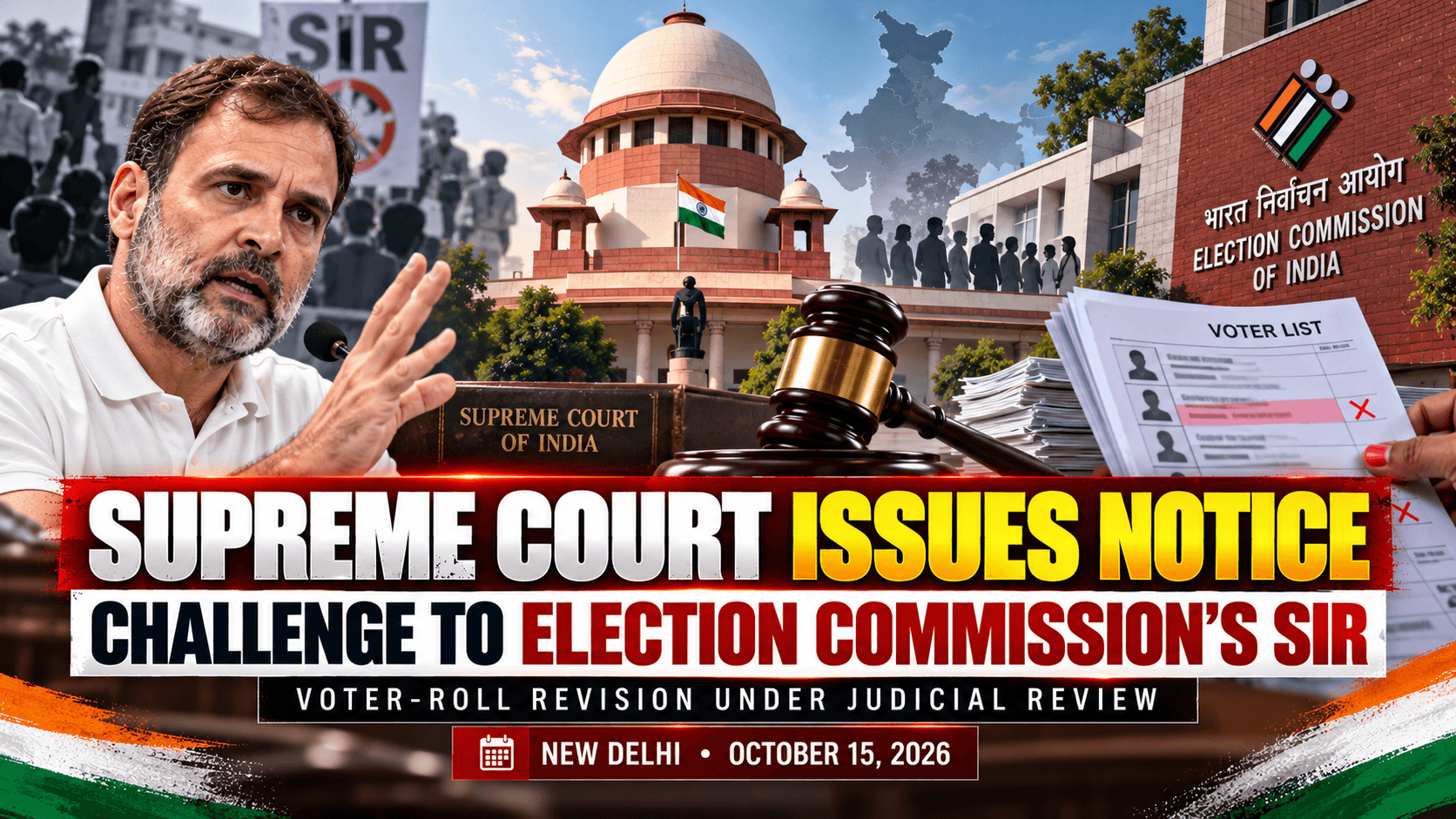
Supreme Court Notices Challenge to Election Commission’s SIR
The Supreme Court has issued a notice on a petition filed by Rahul Gandhi and other opposition figures contesting the Election Commission’s Special Intensive Revision of voter lists. The court’s order seeks explanations from the petitioners and may pause the SIR process pending further review.
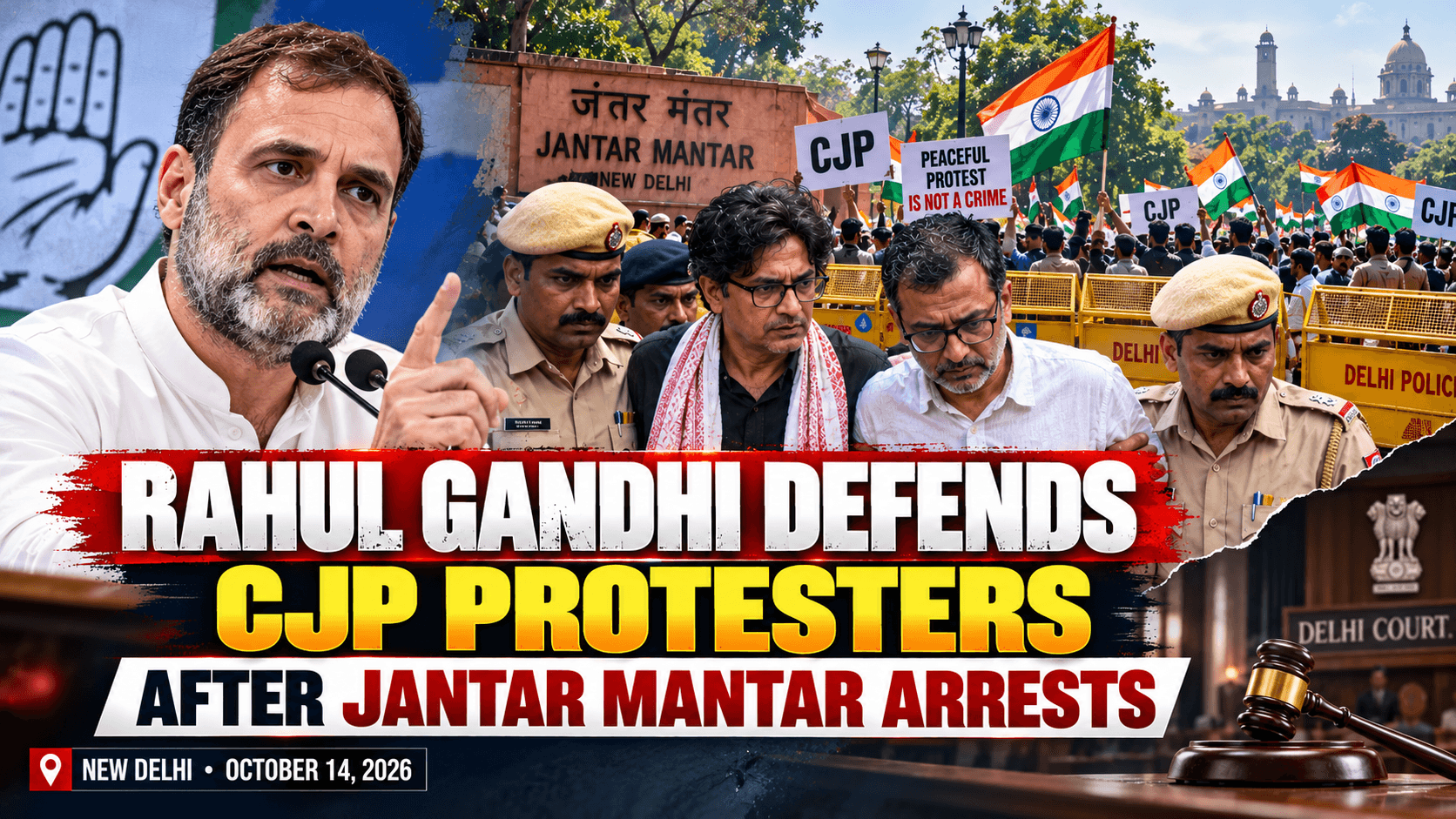
Rahul Gandhi Defends CJP Protesters After Jantar Mantar Arrests
Rahul Gandhi publicly condemned the arrest of Cockroach Janta Party leaders at Jantar Mantar, calling the detention of peaceful flag‑waving protesters a cowardly act. His statement signals a new alignment of opposition forces against the Centre’s decision to de‑notify the historic protest site.
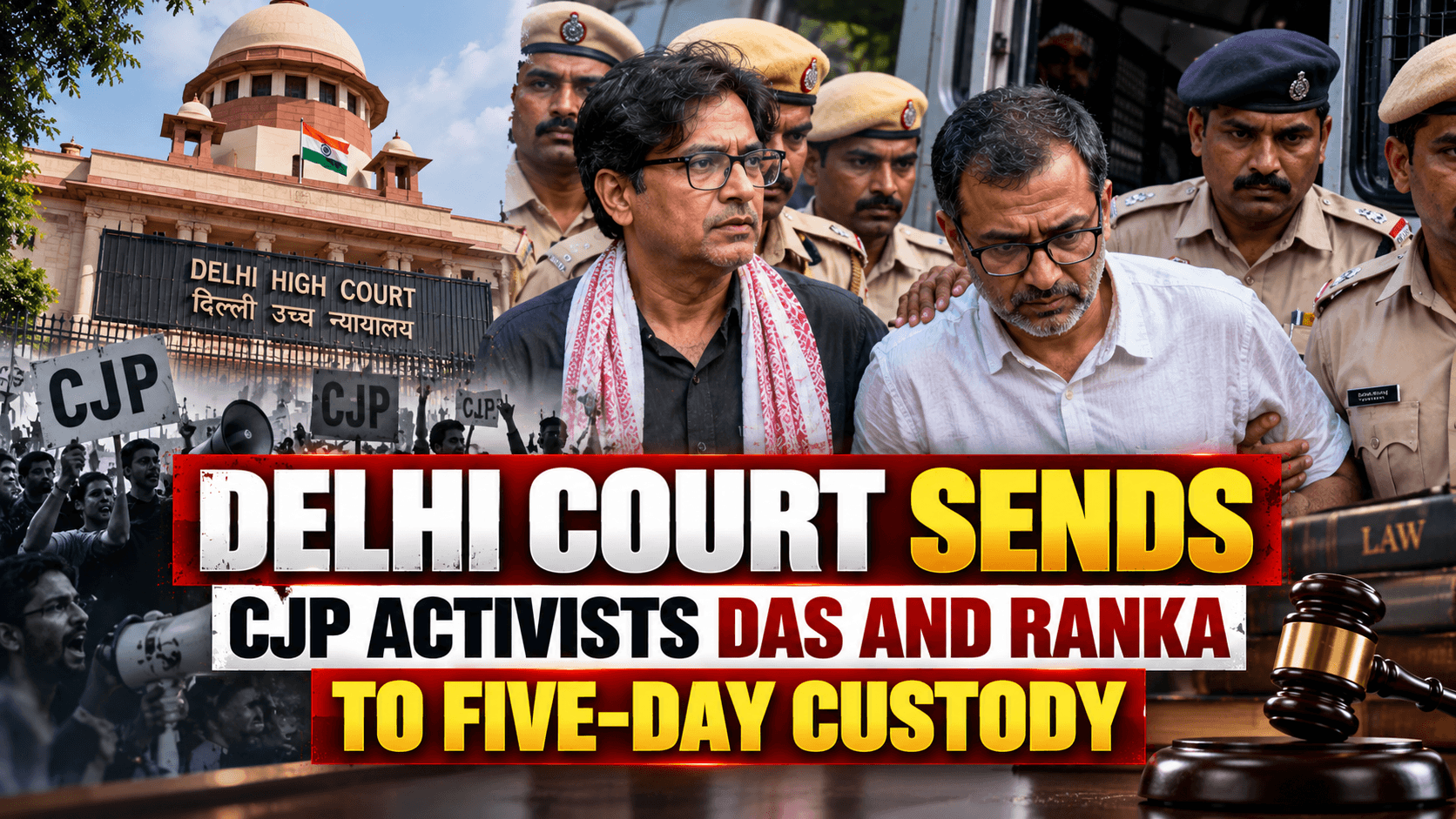
Delhi Court Sends CJP Activists Das and Ranka to Five‑Day Custody
The Special Executive Magistrate court ordered a five‑day judicial custody for CJP leaders Saurav Das and Ashutosh Ranka after they entered the barred Jantar Mantar area. The ruling follows a wave of protests over alleged irregularities in the election roll revision process.
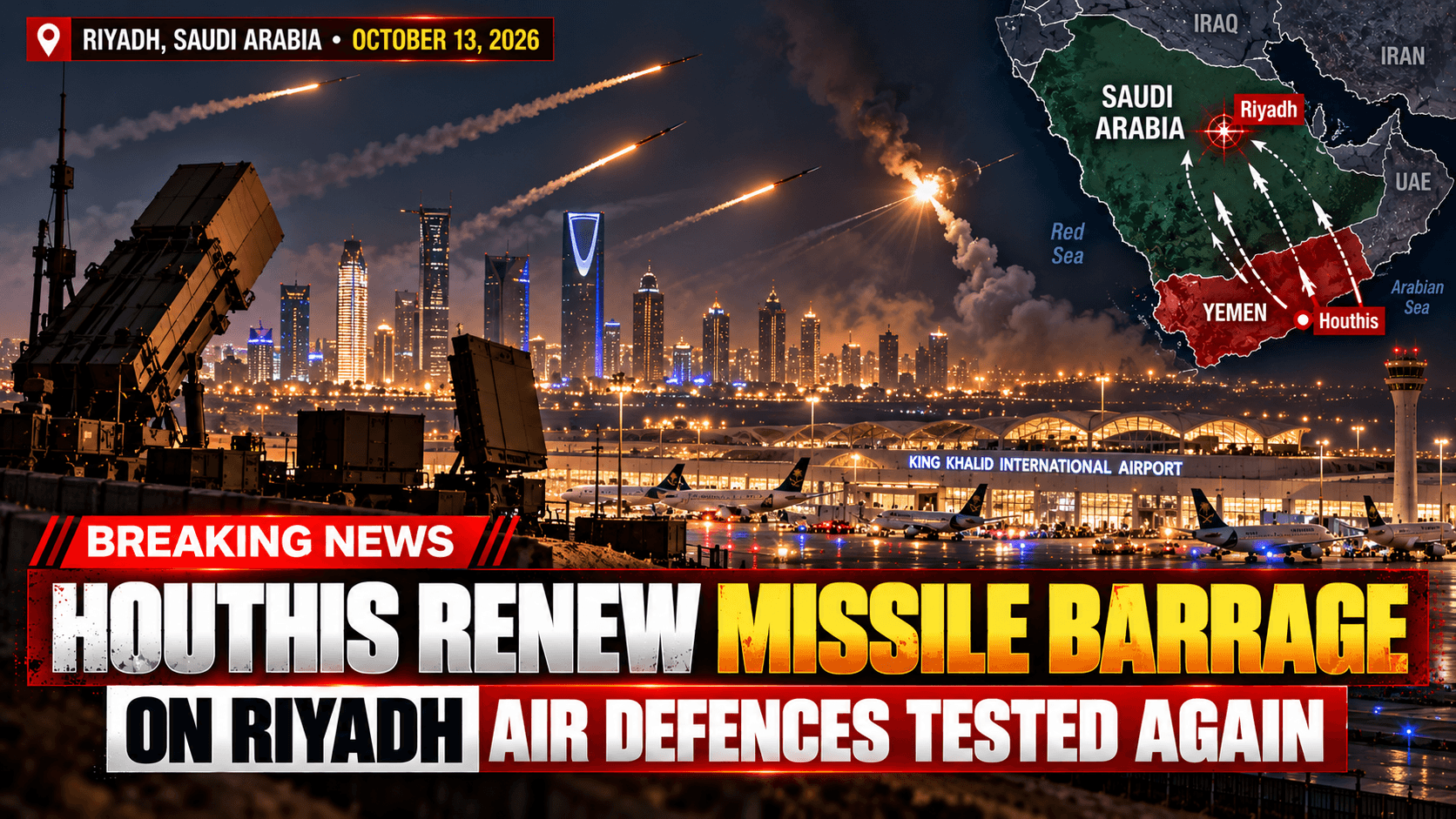
Houthis Renew Missile Barrage on Riyadh, Saudi Air Defences Tested Again
For the third consecutive day the Yemeni Houthi movement launched ballistic missiles toward Saudi Arabia’s capital, prompting interceptions and a renewed shutdown of Riyadh’s main airport. The attacks have strained Saudi air defences, disrupted international flights and raised regional security concerns.
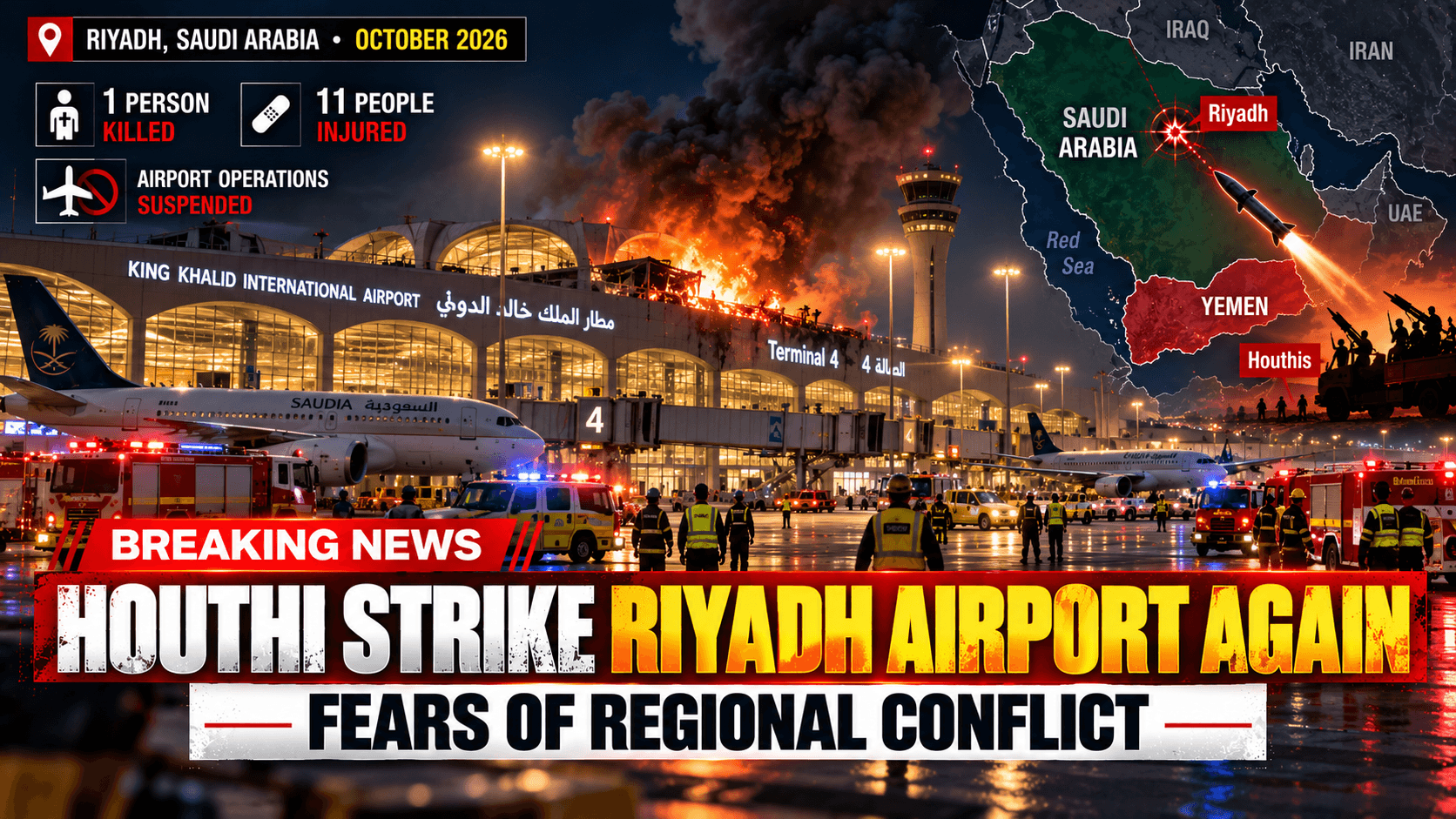
Houthis Strike Riyadh Airport Again, Raising Fears of Regional Conflict
The Houthi movement launched a fresh missile assault on King Khalid International Airport, killing dozens and wounding hundreds. Saudi Arabia vows a strong response as regional tensions rise.