
House Advances 100% Tariffs on India for Russian Energy, Vote Set
The U.S. House is poised to approve a bill that could slap India and four other nations with tariffs as high as 100% for buying Russian oil or gas. A final vote is scheduled for Thursday after a razor‑thin passage in committee.
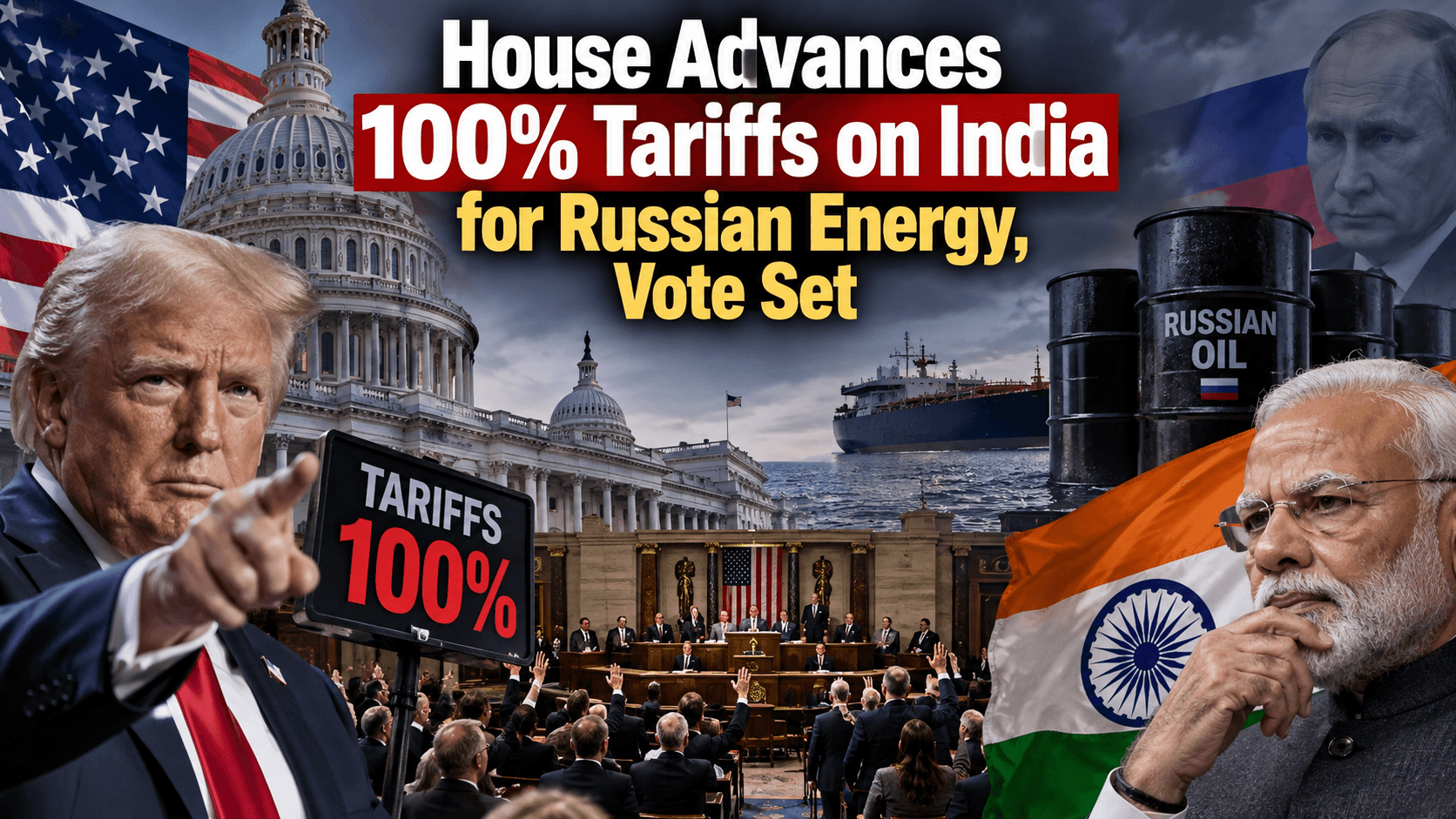
The United States House of Representatives is set to take a decisive step on a controversial sanctions package that would allow the imposition of steep tariffs on countries continuing to purchase Russian energy. The measure, formally titled the Lindsey O. Graham Sanctioning Russia and Iran Act 2026, is slated for a final vote on Thursday, and if approved, could see India hit with duties of up to one‑hundred percent.
Bill Overview
The legislation grants the executive branch the power to levy tariffs of up to 100% on the five nations that import the greatest volumes of Russian oil or natural gas. While the bill mentions Russia and Iran in its title, the tariff provisions focus specifically on energy trade.
Who would be affected?
China
India
Slovakia
Hungary
Azerbaijan
These countries were identified by U.S. officials as the top purchasers of Russian hydrocarbons. The exact rate applied to each nation would be determined by the U.S. Trade Representative, allowing flexibility based on market dynamics and diplomatic considerations.
Legislative Journey
After months of debate, the Senate cleared the bill in August with a comfortable majority. The House, however, proved more divided. A procedural vote in the Rules Committee on Monday cleared the way for a floor vote, and on Wednesday the measure advanced by a razor‑thin margin of 214‑211. Lawmakers from both parties expressed reservations, turning the vote into a bipartisan battleground.
Democrats warned that granting the president expanded authority to impose punitive tariffs could set a dangerous precedent and strain U.S. relationships with key trading partners. Some Republican members, meanwhile, voiced concerns about the potential knock‑on effects on domestic gasoline and heating costs.
Political Stakes and Reactions
Business groups and industry associations quickly weighed in, arguing that such extreme tariffs could destabilise global energy markets and hurt U.S. consumers. In response, supporters of the bill argue that the measures are necessary to close loopholes that allow Russia to sidestep existing sanctions.
Senator Lindsey Graham—after whom the act is named—has been a vocal advocate, framing the tariffs as a tool to pressure nations that continue to support Russia’s war effort financially. Although Graham’s recent passing was noted in the press, his legislative legacy lives on in this proposal.
Timeline and Upcoming Vote
Initially, many insiders expected the House to postpone a vote until after the November mid‑term elections. Instead, Republican leadership trimmed the legislative calendar by two weeks, creating a window for the measure to be considered before lawmakers return to campaign mode.
The expectation now is that Thursday’s vote will be largely procedural, with the bill likely to pass given the narrow but sufficient support already demonstrated.
Potential Implications for India and Global Energy Markets
For India, a 100% tariff on Russian oil or gas would dramatically raise import costs, potentially forcing the country to seek alternative suppliers or accelerate its pivot toward renewable energy. Analysts note that India currently relies on Russian fuel for a sizable share of its energy mix, making the prospective duties a strategic headache.
Globally, the move could trigger a cascade of retaliatory measures, as affected nations might look to impose their own counter‑tariffs on U.S. goods. Moreover, the heightened uncertainty could push oil prices higher, affecting both producers and consumers worldwide.
In short, the bill represents a high‑stakes gamble by Washington: it aims to tighten the economic noose around Russia while risking collateral damage to allied economies and domestic energy stability.
What Comes Next?
If the House approves the act on Thursday, it will head to the president for signature. A signed law would empower the administration to set and enforce the tariffs, with the U.S. Trade Representative publishing the final rates within weeks. The international community, particularly the five targeted nations, will be watching closely for the next steps.
Regardless of the outcome, the debate underscores a broader shift in U.S. policy—one that increasingly uses economic levers to achieve foreign‑policy goals, even at the risk of unsettling established trade relationships.
Latest Posts

Teen Arrested After Faulty Rifle Foils Hindu Temple Shooting Plot
A 19‑year‑old Taco Bell employee in Illinois was detained after a jammed rifle prevented a planned mass shooting at a Hindu temple. Police recovered weapons, extremist material, and a manifesto outlining white‑supremacist motives.
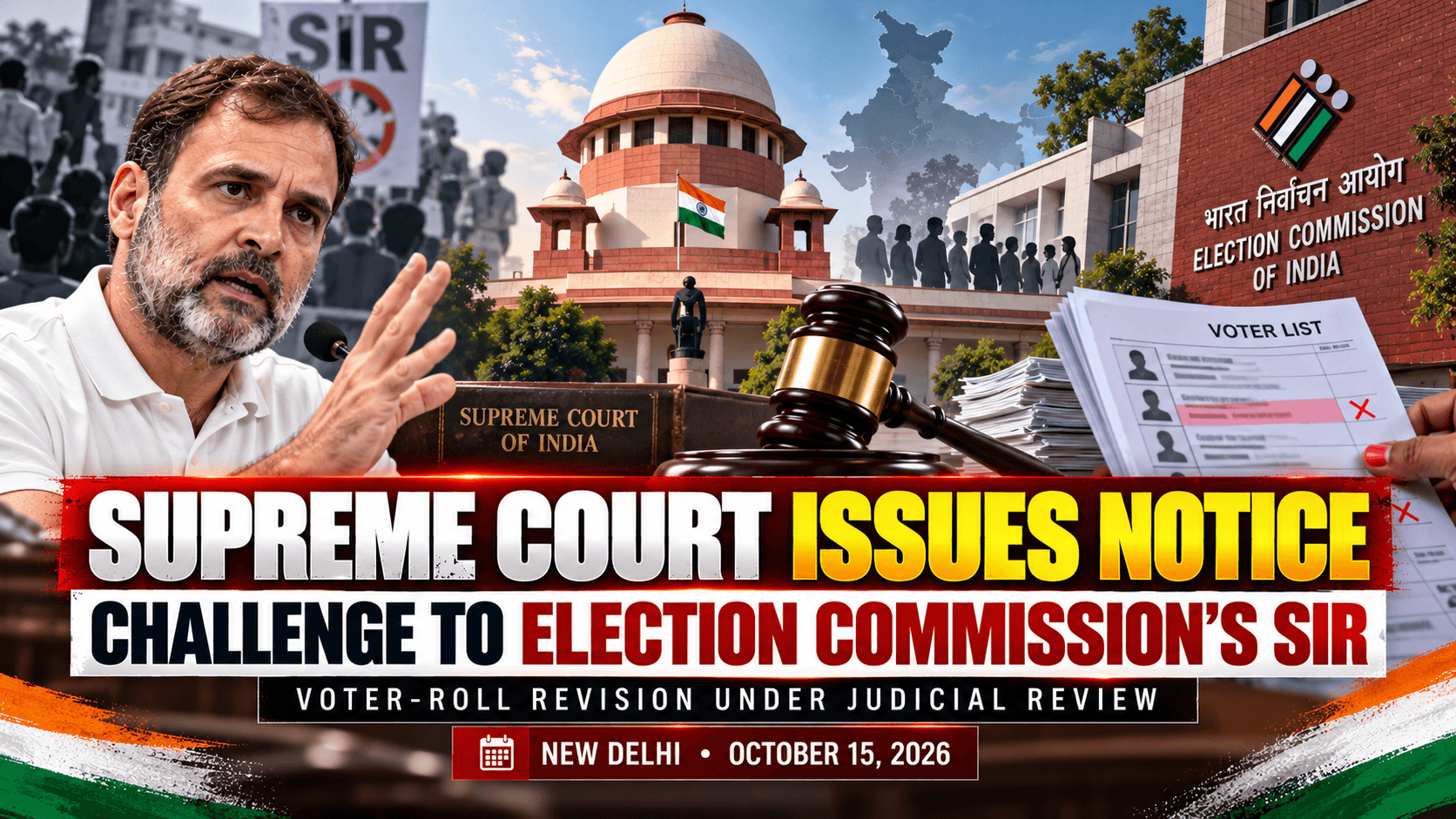
Supreme Court Notices Challenge to Election Commission’s SIR
The Supreme Court has issued a notice on a petition filed by Rahul Gandhi and other opposition figures contesting the Election Commission’s Special Intensive Revision of voter lists. The court’s order seeks explanations from the petitioners and may pause the SIR process pending further review.
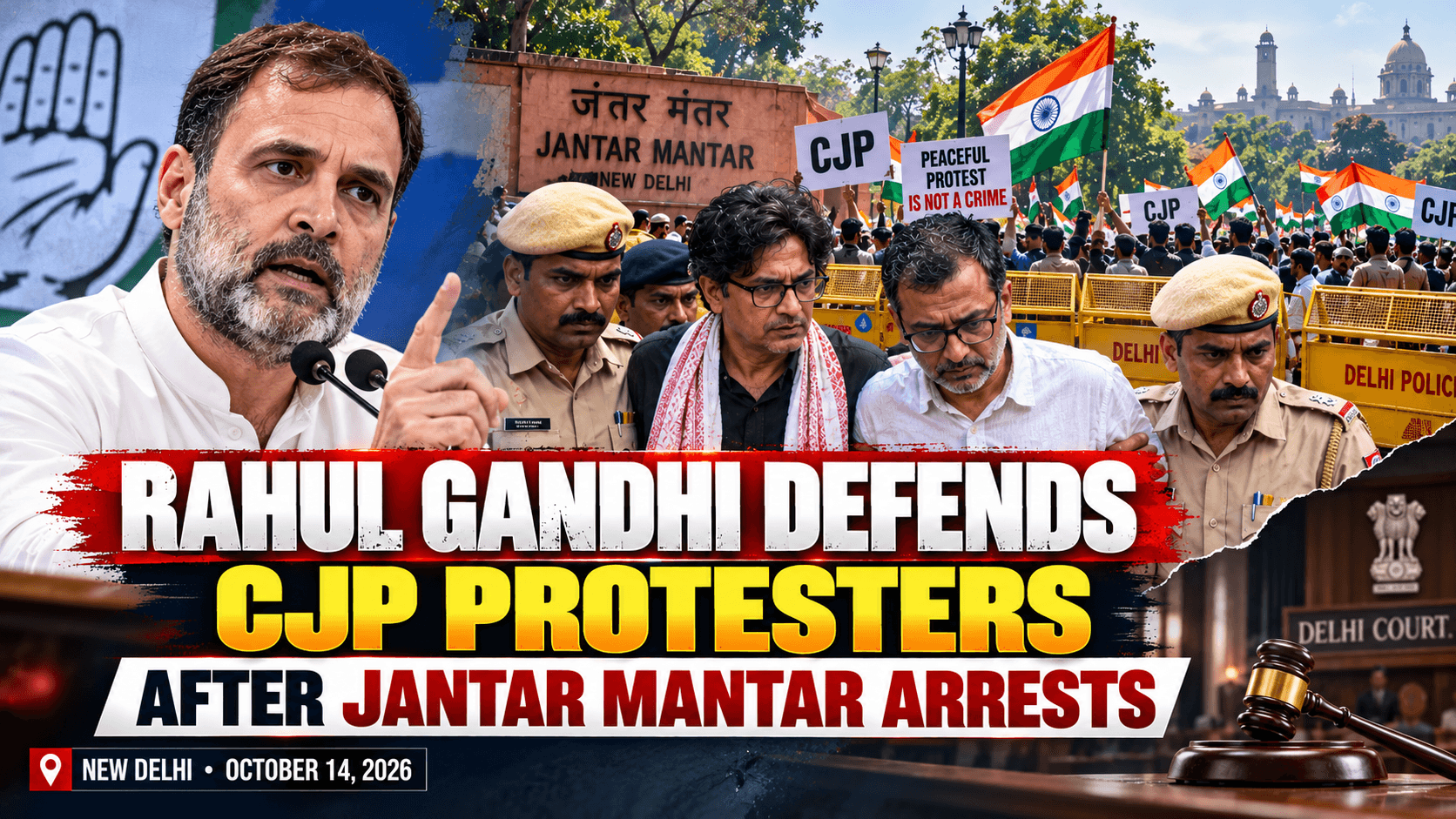
Rahul Gandhi Defends CJP Protesters After Jantar Mantar Arrests
Rahul Gandhi publicly condemned the arrest of Cockroach Janta Party leaders at Jantar Mantar, calling the detention of peaceful flag‑waving protesters a cowardly act. His statement signals a new alignment of opposition forces against the Centre’s decision to de‑notify the historic protest site.
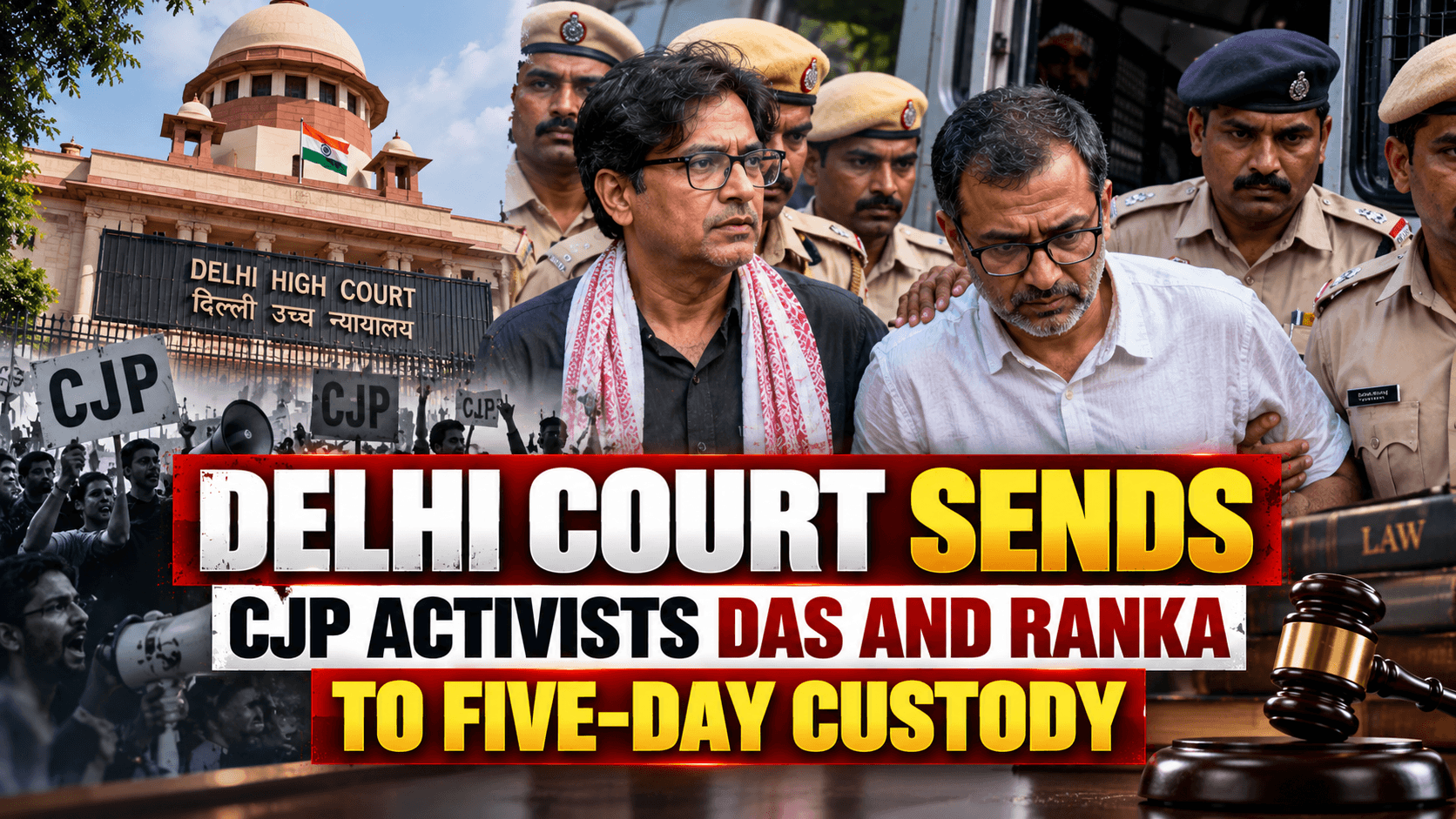
Delhi Court Sends CJP Activists Das and Ranka to Five‑Day Custody
The Special Executive Magistrate court ordered a five‑day judicial custody for CJP leaders Saurav Das and Ashutosh Ranka after they entered the barred Jantar Mantar area. The ruling follows a wave of protests over alleged irregularities in the election roll revision process.
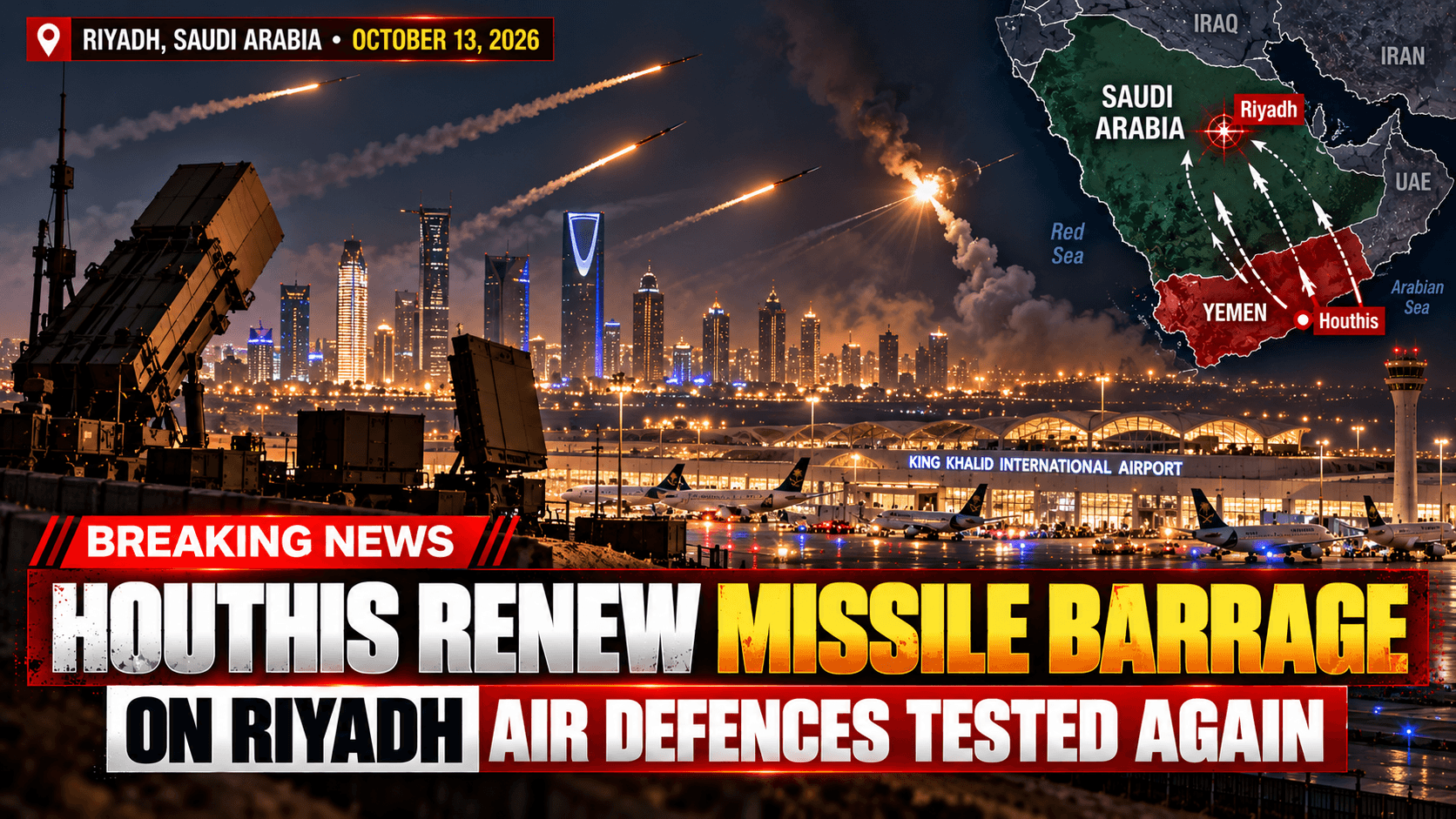
Houthis Renew Missile Barrage on Riyadh, Saudi Air Defences Tested Again
For the third consecutive day the Yemeni Houthi movement launched ballistic missiles toward Saudi Arabia’s capital, prompting interceptions and a renewed shutdown of Riyadh’s main airport. The attacks have strained Saudi air defences, disrupted international flights and raised regional security concerns.
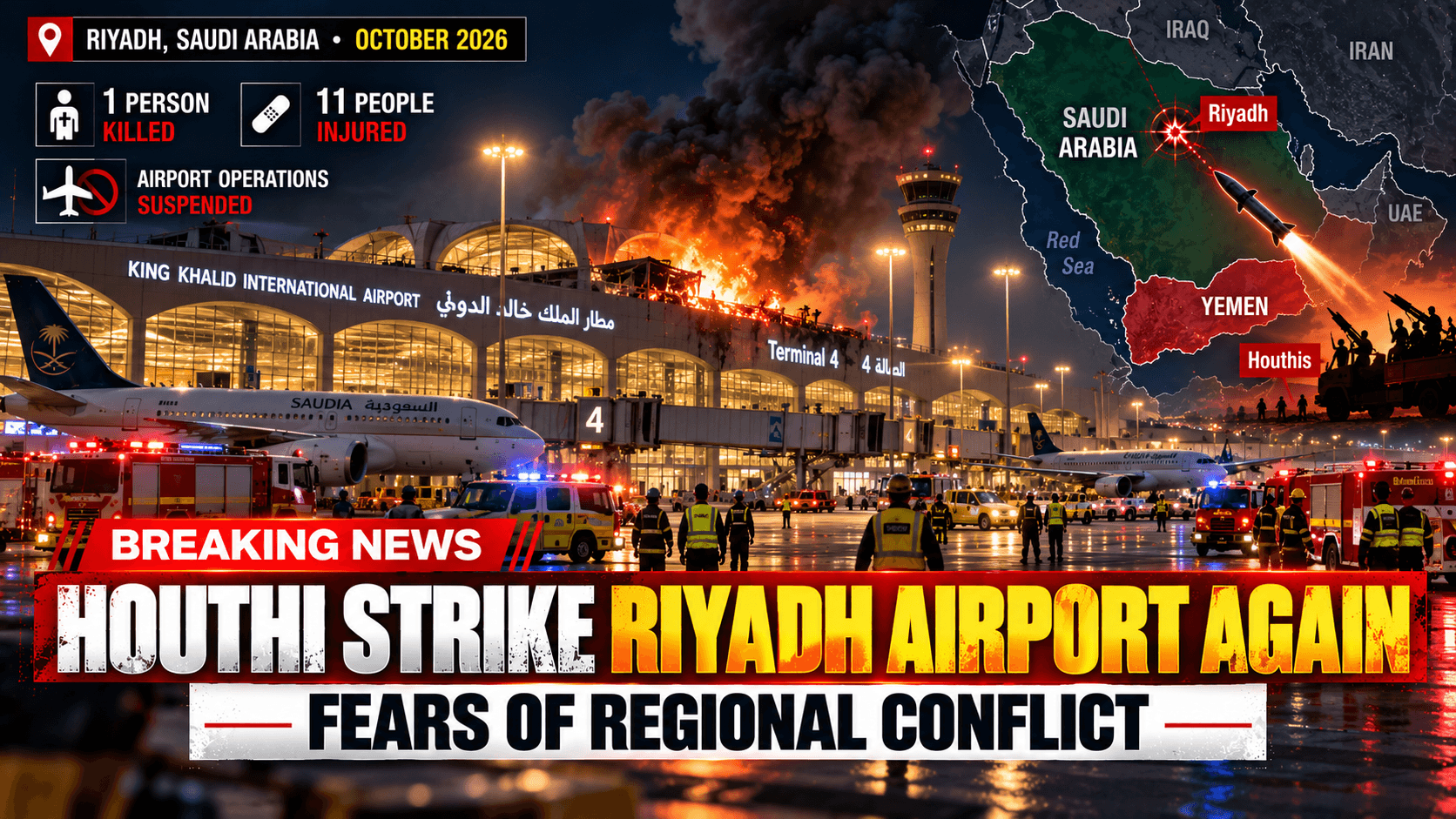
Houthis Strike Riyadh Airport Again, Raising Fears of Regional Conflict
The Houthi movement launched a fresh missile assault on King Khalid International Airport, killing dozens and wounding hundreds. Saudi Arabia vows a strong response as regional tensions rise.