
Mecca Pact Activated: Pakistan and Turkey Deploy Troops to Saudi Arabia
Saudi Arabia, Pakistan and Turkey have operationalised the Mecca Pact, committing rapid troop deployments to counter Houthi threats. The high‑level Riyadh meeting outlined concrete steps for joint defence and regional security.
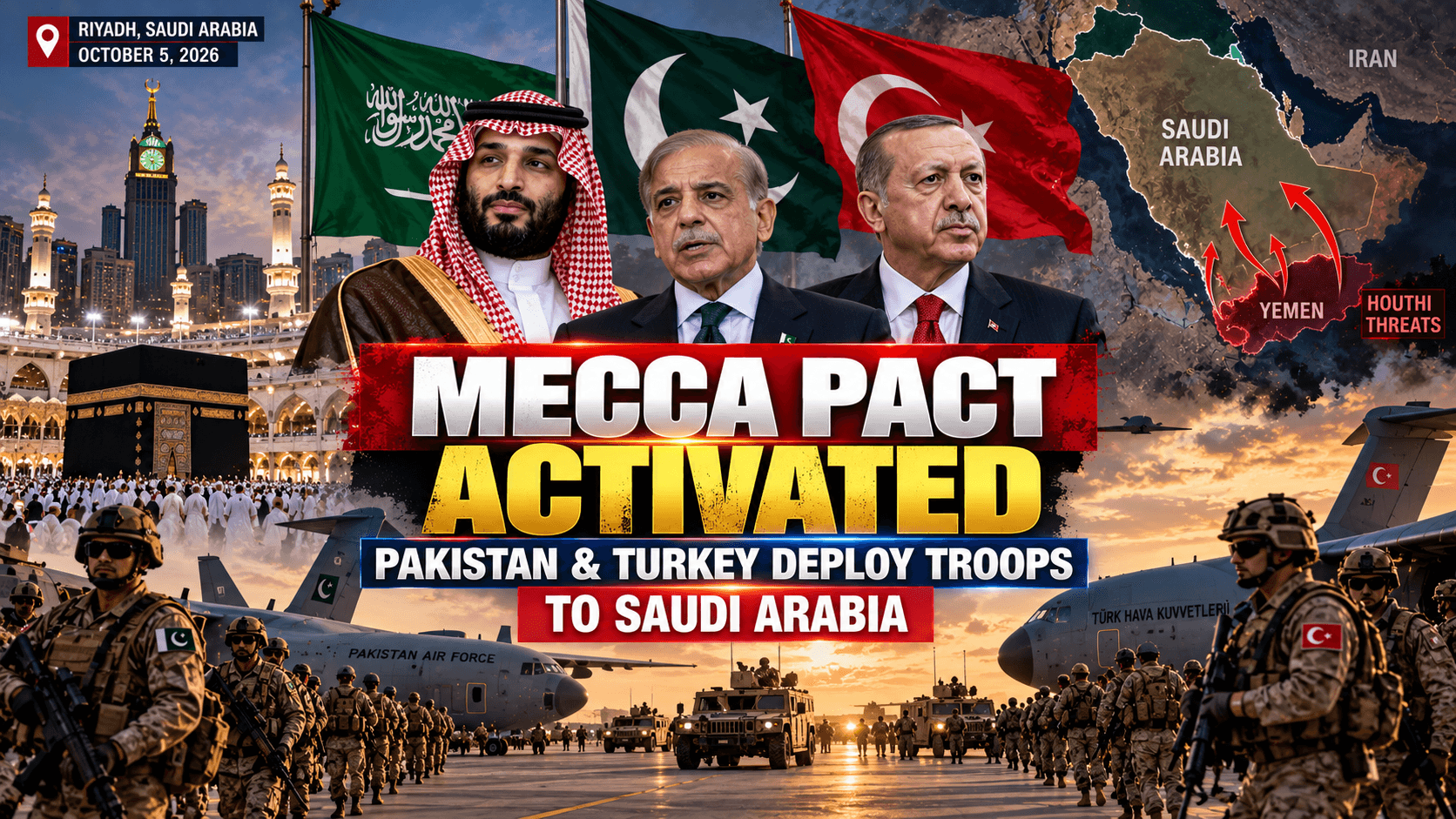
The strategic triangle of Saudi Arabia, Pakistan and Turkey took a decisive step on October 5 by moving the Mecca Pact from paper to practice. In a fast‑track decision, the three nations agreed to station military units and advanced capabilities on Saudi soil, aiming to blunt the persistent missile and drone assaults launched by the Iran‑aligned Houthi movement.
Background of the Mecca Alliance
Signed on August 7, the Mecca Joint Defence Agreement binds the three countries to a mutual‑defence clause: an armed attack on any member is treated as an attack on all. The pact emerged amid escalating tensions in the Red Sea corridor, where Houthi forces have repeatedly targeted commercial shipping and critical energy infrastructure belonging to the Gulf monarchies.
Rapid Deployment Decision
During an emergency session of the Strategic‑Political and Defense Committee of the Makkah Alliance for Defense, senior officials resolved to "move immediately to the practical implementation" of the alliance’s collective‑defence obligations. The statement released by Pakistan’s Ministry of Foreign Affairs emphasized that the agreed forces will be dispatched in accordance with the national laws of Saudi Arabia, Pakistan and Turkey, ensuring a seamless legal and operational framework.
Scope of the Deployment
Ground troops from Pakistan and Turkey to be stationed at pre‑identified bases in Saudi Arabia.
Air‑defence and surveillance assets, including fighter jets and early‑warning radars, to be integrated with the Saudi Air Force.
Logistical support units to facilitate rapid mobility and sustainment of joint operations.
The deployment is designed to boost Saudi Arabia’s readiness, improve interoperability among the three militaries, and provide a credible deterrent against further Houthi aggression.
Key Figures at the Riyadh Meeting
The high‑level gathering featured top defence and diplomatic representatives:
Turkey: Foreign Minister Hakan Fidan, Defence Minister Yaşar Güler, and Chief of General Staff Gen. Selçuk Bayraktaroğlu.
Pakistan: Deputy Prime Minister and Foreign Minister Mohammad Ishaq Dar, Chief of Defence Forces Field Marshal Asim Munir, Defence Minister Khawaja Muhammad Asif, and retired Lt. Gen. Nauman Mahmood (appointed Secretary‑General of the Mecca defence pact).
Saudi Arabia: Foreign Minister Prince Faisal bin Farhan Al Saud, Defence Minister Prince Khalid bin Salman, and Chief of General Staff Gen. Fayyadh bin Hamed Al‑Ruwaili.
Lt. Gen. Nauman Mahmood, now the first Secretary‑General of the alliance, will oversee the coordination of joint operations for the next three years.
Roles and Responsibilities Under the Pact
Each nation has pledged specific contributions:
Pakistan: Provision of infantry battalions, engineering corps, and medical units to reinforce Saudi defensive lines.
Turkey: Deployment of air‑defence batteries, UAV squadrons, and naval liaison teams to secure maritime approaches.
Saudi Arabia: Hosting facilities, granting overflight rights, and integrating allied forces into its command‑and‑control network.
All forces will operate under a unified command structure, with joint exercises planned to sharpen coordination ahead of any real‑world contingencies.
Implications for Regional Security
The activation of the Mecca Pact sends a clear signal to Tehran and its Houthi proxies that any attempt to destabilise the Kingdom will encounter a multi‑national military response. By pooling resources, the trio aims to:
Enhance deterrence against cross‑border attacks.
Secure critical energy corridors that fuel the global economy.
Project a united front that may discourage further external meddling in Gulf affairs.
Analysts note that the pact also strengthens diplomatic ties among the three countries, potentially paving the way for deeper economic and security cooperation beyond the immediate threat landscape.
Future Outlook and Next Steps
Since the initial signing, the alliance has convened multiple high‑level meetings: an Istanbul summit in August and a follow‑up of military chiefs in Riyadh on September 25. The recent deployment decision marks the first tangible move toward operational readiness.
Looking ahead, the Mecca Alliance plans to conduct joint drills later this year, expand intelligence sharing mechanisms, and explore the creation of a permanent joint command headquarters. If successful, the model could inspire similar defence frameworks across the broader Middle East and South‑Asian region.
For now, the combined forces stand poised to reinforce Saudi Arabia’s territorial integrity, safeguard civilian infrastructure, and neutralise the escalating Houthi threat that has plagued the Kingdom’s western coast for months.
Latest Posts

Teen Arrested After Faulty Rifle Foils Hindu Temple Shooting Plot
A 19‑year‑old Taco Bell employee in Illinois was detained after a jammed rifle prevented a planned mass shooting at a Hindu temple. Police recovered weapons, extremist material, and a manifesto outlining white‑supremacist motives.
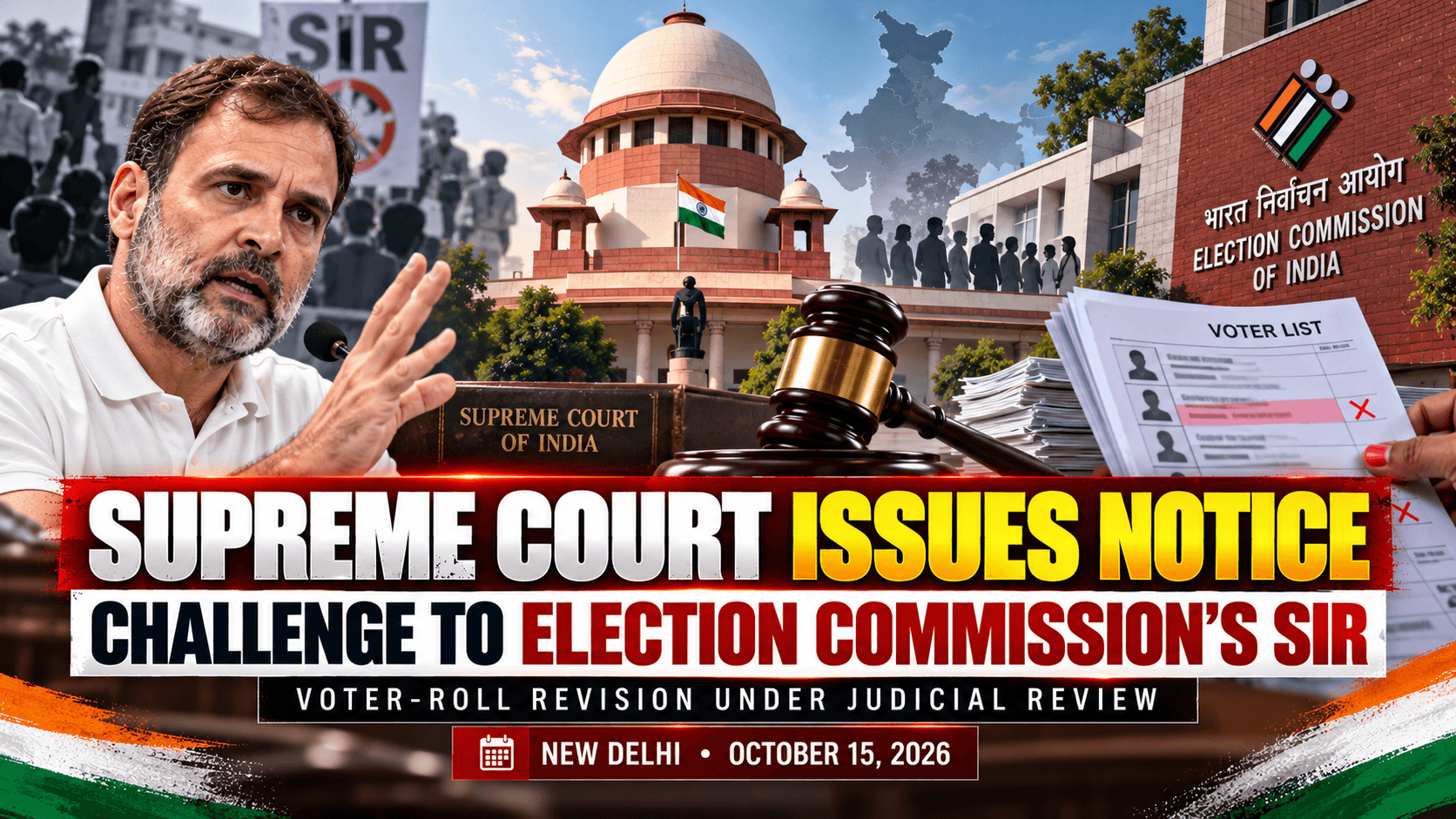
Supreme Court Notices Challenge to Election Commission’s SIR
The Supreme Court has issued a notice on a petition filed by Rahul Gandhi and other opposition figures contesting the Election Commission’s Special Intensive Revision of voter lists. The court’s order seeks explanations from the petitioners and may pause the SIR process pending further review.
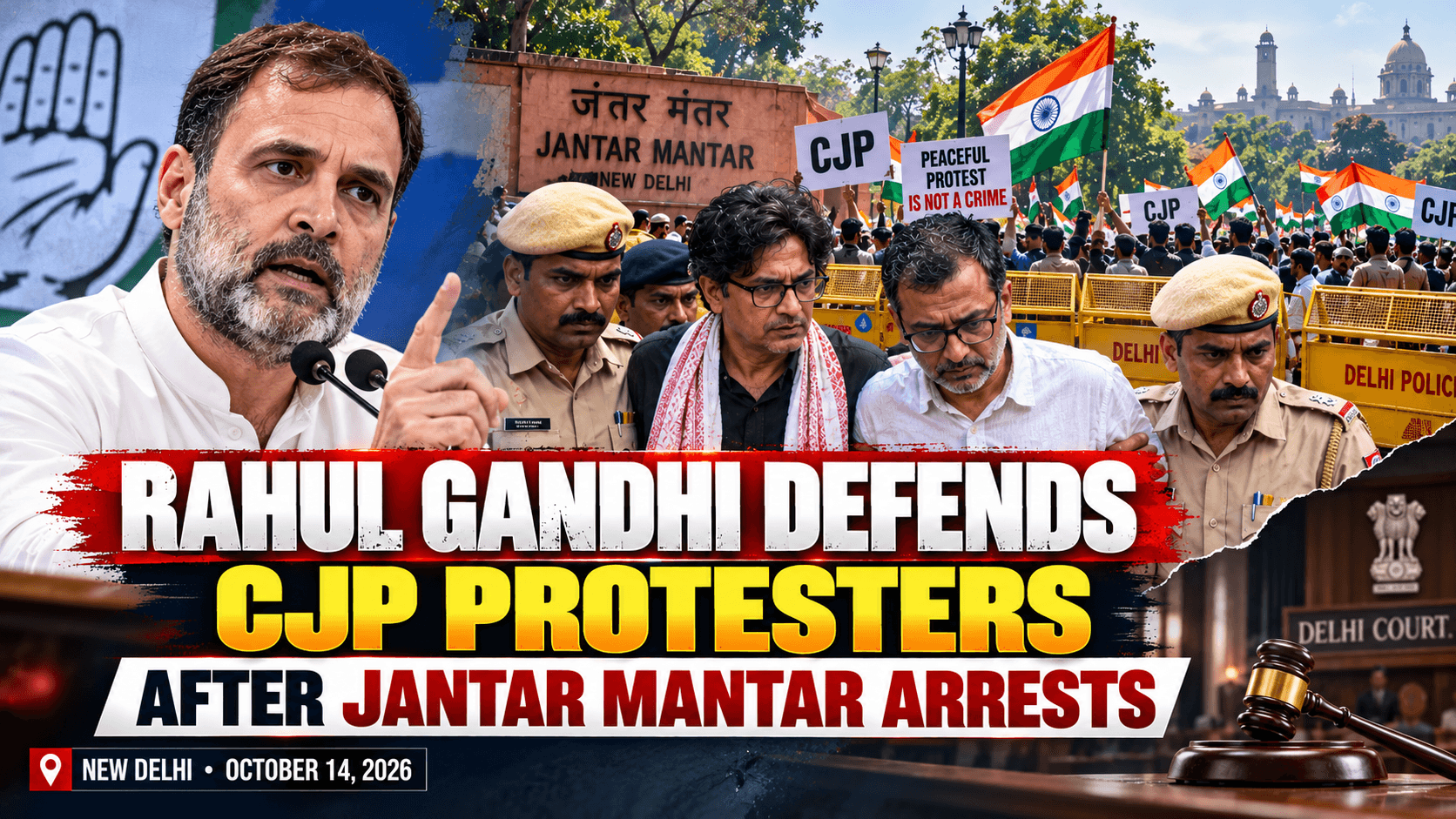
Rahul Gandhi Defends CJP Protesters After Jantar Mantar Arrests
Rahul Gandhi publicly condemned the arrest of Cockroach Janta Party leaders at Jantar Mantar, calling the detention of peaceful flag‑waving protesters a cowardly act. His statement signals a new alignment of opposition forces against the Centre’s decision to de‑notify the historic protest site.
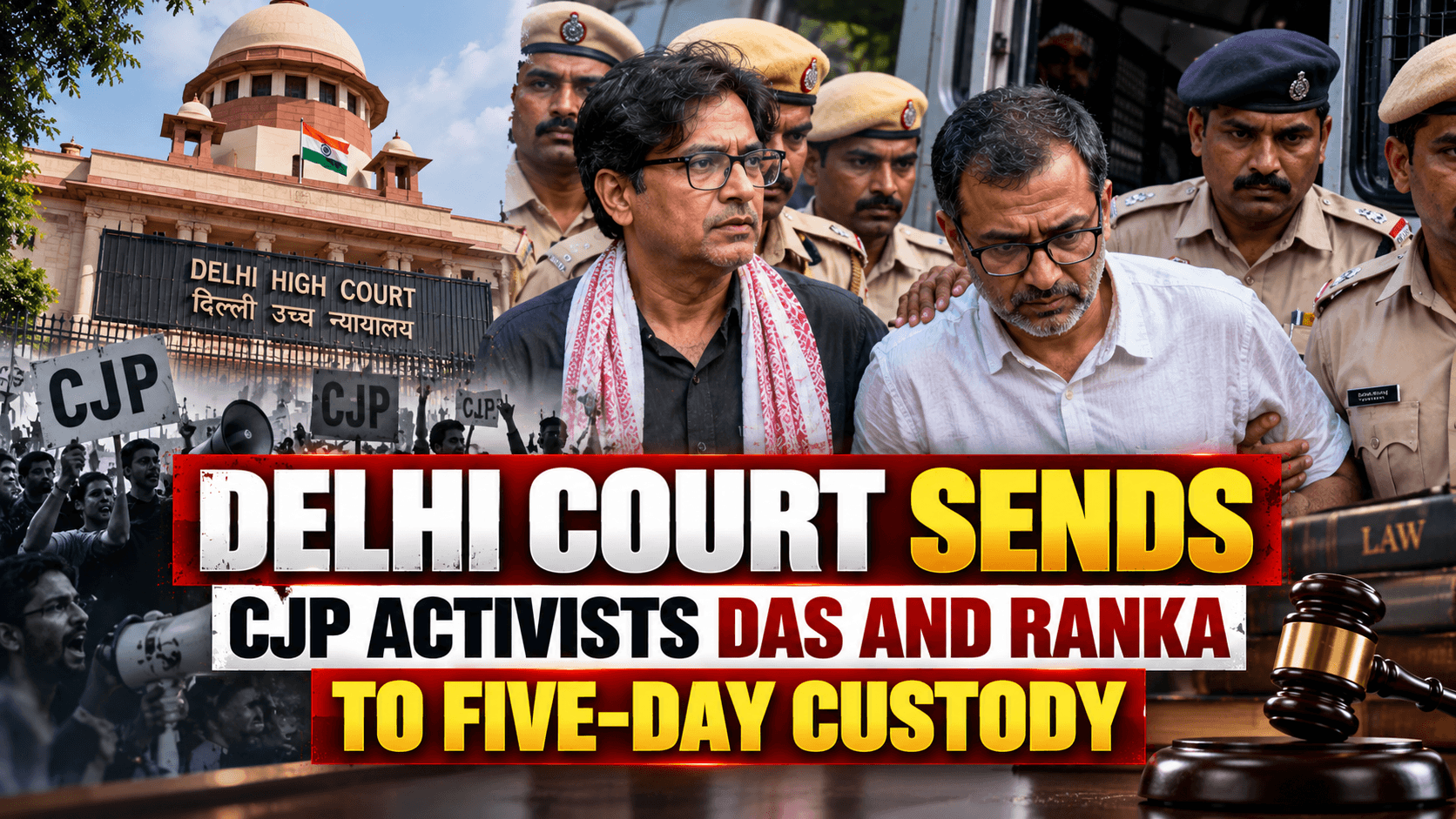
Delhi Court Sends CJP Activists Das and Ranka to Five‑Day Custody
The Special Executive Magistrate court ordered a five‑day judicial custody for CJP leaders Saurav Das and Ashutosh Ranka after they entered the barred Jantar Mantar area. The ruling follows a wave of protests over alleged irregularities in the election roll revision process.
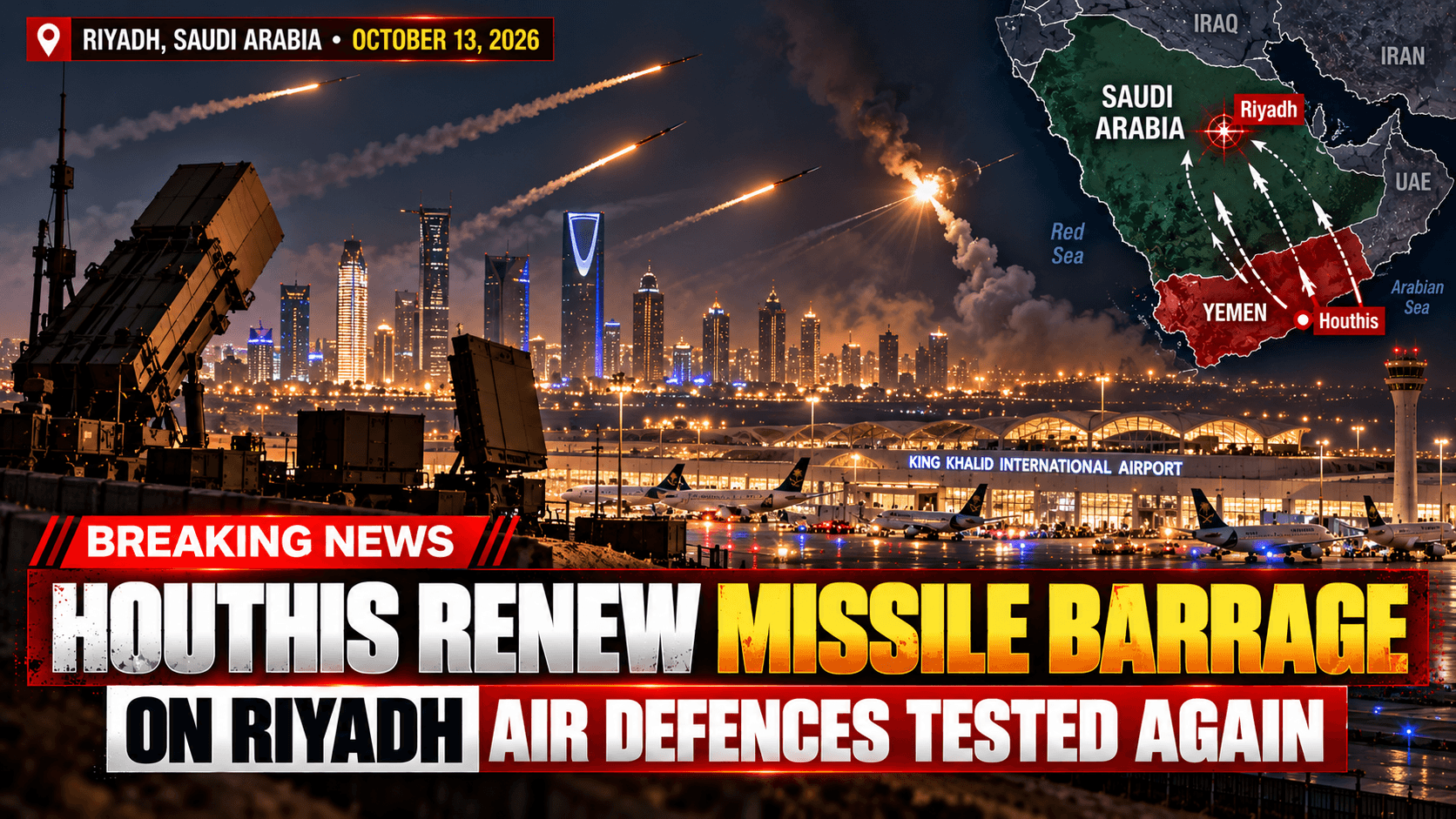
Houthis Renew Missile Barrage on Riyadh, Saudi Air Defences Tested Again
For the third consecutive day the Yemeni Houthi movement launched ballistic missiles toward Saudi Arabia’s capital, prompting interceptions and a renewed shutdown of Riyadh’s main airport. The attacks have strained Saudi air defences, disrupted international flights and raised regional security concerns.
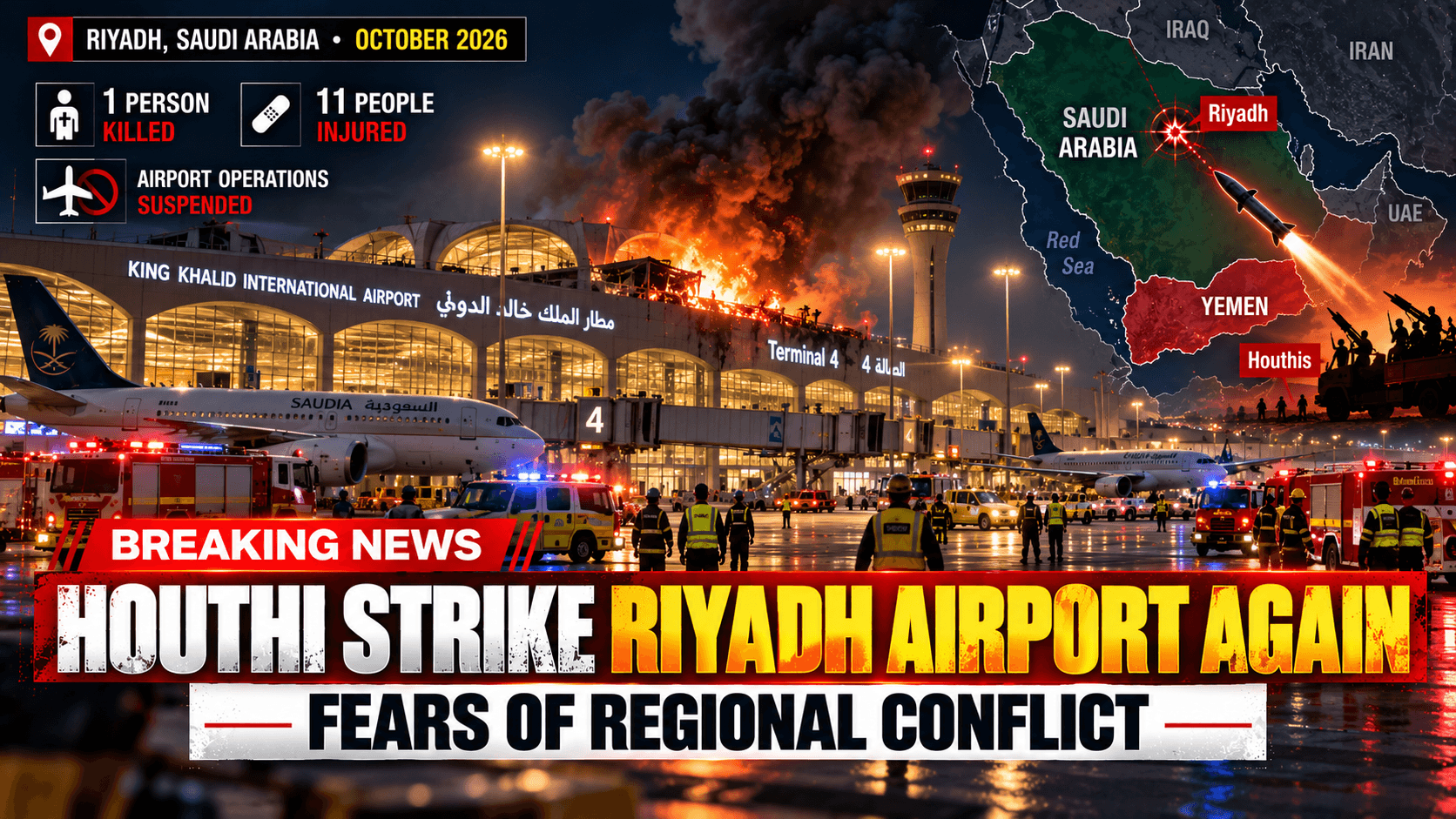
Houthis Strike Riyadh Airport Again, Raising Fears of Regional Conflict
The Houthi movement launched a fresh missile assault on King Khalid International Airport, killing dozens and wounding hundreds. Saudi Arabia vows a strong response as regional tensions rise.