
Naval Clash in Arabian Sea Heightens India-Pakistan Diplomatic Strain
A recent collision between Indian and Pakistani warships in the Arabian Sea has ignited a fresh diplomatic row, with both capitals accusing the other of violating maritime protocols. The incident, occurring amid longstanding regional rivalries, underscores the fragility of peace in South Asia's contested waters.
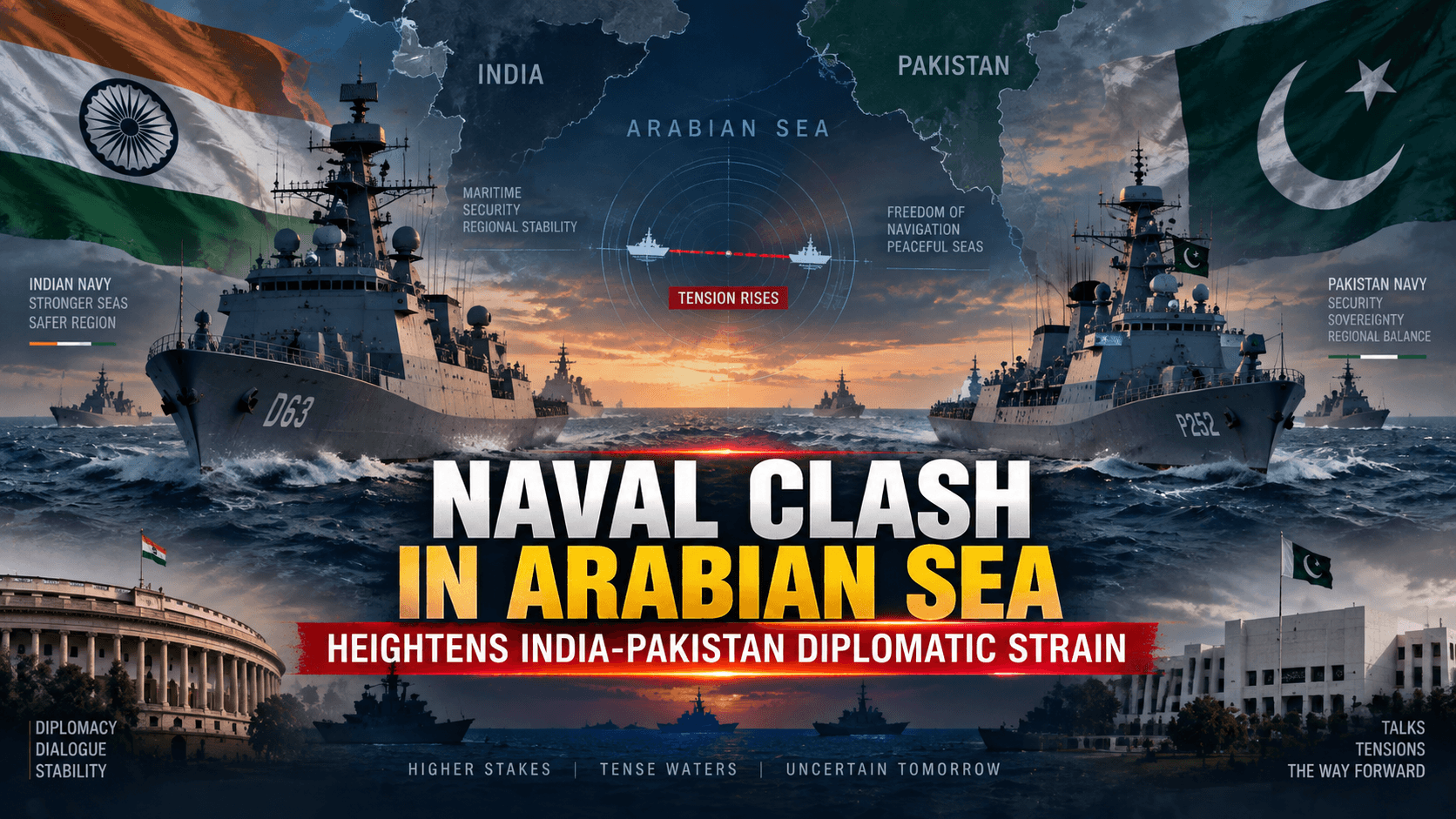
On Tuesday evening, two naval vessels—one belonging to Pakistan and the other to India—came into contact in the northern reaches of the Arabian Sea, setting off a wave of diplomatic protest from both sides. While neither ship suffered critical damage, the episode has revived old tensions and prompted a flurry of diplomatic activity in New Delhi and Islamabad.
What transpired at sea?
According to statements released by Pakistan’s Ministry of Foreign Affairs, the Pakistani ship was engaged in a routine training maneuver when the Indian vessel approached aggressively, ultimately resulting in a collision. Pakistani officials argue that the incident unfolded within their Exclusive Economic Zone (EEZ), a maritime area extending 200 nautical miles from their coastline, where they hold sovereign rights over resources and certain activities.
India, however, disputes this claim. The Indian foreign ministry asserts that the two ships met in international waters, an area beyond any nation’s exclusive jurisdiction, and that the Pakistani side’s accusations are unfounded. Both ministries agree that the contact caused no serious injuries or structural harm to the vessels.
Conflicting accounts of the location
The crux of the diplomatic fallout hinges on where exactly the collision occurred. Pakistan’s narrative positions the incident squarely inside its EEZ, invoking the 1991 bilateral agreement that obliges both militaries to notify one another before conducting significant maneuvers near the other’s waters. By contrast, India’s account frames the event as a routine encounter in open sea, thereby sidestepping any breach of the 1991 accord.
International maritime law, particularly the United Nations Convention on the Law of the Sea (UNCLOS), distinguishes between territorial seas, EEZs, and high seas. While the precise GPS coordinates have not been publicly disclosed, the dispute over jurisdiction underscores how easily differing interpretations can inflame diplomatic relations.
Official reactions and diplomatic summons
In response to the alleged breach, Pakistan’s foreign ministry summoned a senior Indian diplomat to the capital and issued a formal protest, describing the Indian vessel’s conduct as “highly provocative and unacceptable.” The statement also accused New Delhi of endangering Pakistani naval assets and violating international norms.
Reciprocally, India’s foreign ministry called in Pakistan’s top envoy in New Delhi, labeling the incident “unacceptable and unprofessional.” The Indian side urged Islamabad to ensure its naval units exercise caution and adhere to existing bilateral arrangements to avoid repeat occurrences.
Both countries emphasized the need for restraint and called for a thorough investigation, but each framed the other as the primary provocateur.
Historical backdrop of Indo‑Pakistani maritime friction
Naval confrontations are not unprecedented between these nuclear-armed neighbors. Since gaining independence in 1947, India and Pakistan have fought three major wars, two of which centered on the contested region of Kashmir. While most hostilities have played out on land, maritime incidents have occasionally surfaced, reflecting the broader strategic competition.
The most recent flashpoint prior to this incident involved a militant attack in Indian‑administered Kashmir that left 26 victims, predominantly Hindu tourists. India blamed Pakistan for supporting the attackers—a charge Pakistan denied—leading to a series of retaliatory strikes that briefly brought the two sides to the brink of a larger conflict.
Such episodes illustrate how localized events—whether on land or sea—can quickly spiral into broader diplomatic crises, especially when both nations possess nuclear capabilities and a history of mutual suspicion.
Potential ramifications for regional stability
While the collision itself caused minimal physical damage, its diplomatic fallout could have outsized effects. A deterioration in naval trust may hamper joint anti‑piracy patrols, search‑and‑rescue missions, and other cooperative maritime endeavors that benefit both countries.
Moreover, the incident arrives at a time when both India and Pakistan are navigating complex relationships with external powers, including the United States, China, and regional blocs like the Shanghai Cooperation Organisation. Any escalation could draw in these actors, either as mediators or as stakeholders with their own strategic interests.
Analysts suggest that a transparent, joint inquiry—potentially facilitated by a neutral third party—might defuse the immediate tension and establish clearer protocols for future naval interactions. Without such measures, the risk of misinterpretation or accidental escalation remains high.
Looking ahead
Both capitals have signaled a willingness to investigate, yet the tone of their public statements hints at a broader contest over maritime jurisdiction. As the Arabian Sea continues to serve as a vital conduit for trade, energy shipments, and strategic naval deployments, the importance of clear, mutually respected rules of engagement cannot be overstated.
In the coming weeks, the international community will be watching closely to see whether diplomatic channels can bridge the gap between competing narratives, or whether the episode will become another chapter in the long‑standing saga of Indo‑Pakistani rivalry.
Latest Posts

Teen Arrested After Faulty Rifle Foils Hindu Temple Shooting Plot
A 19‑year‑old Taco Bell employee in Illinois was detained after a jammed rifle prevented a planned mass shooting at a Hindu temple. Police recovered weapons, extremist material, and a manifesto outlining white‑supremacist motives.
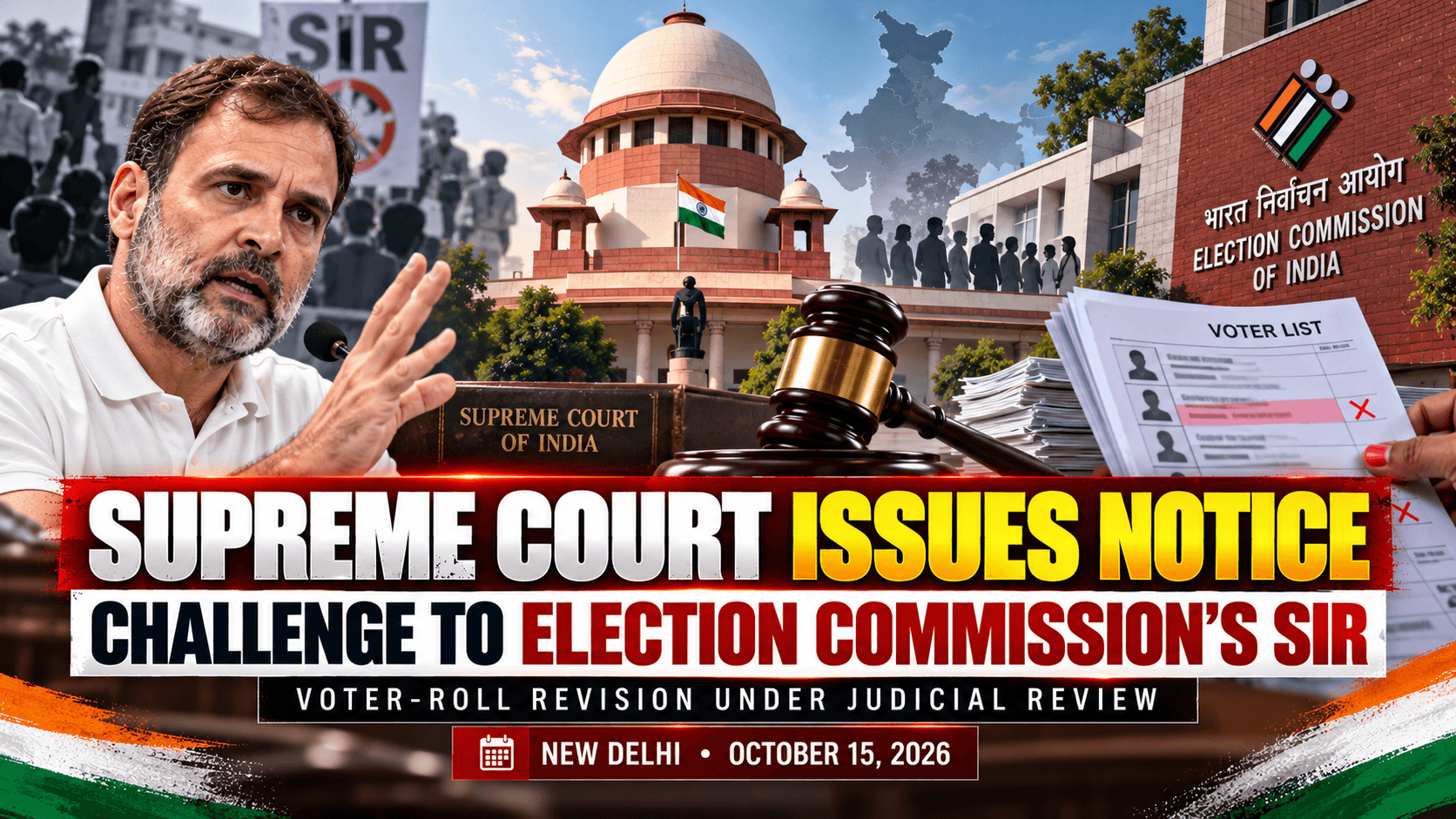
Supreme Court Notices Challenge to Election Commission’s SIR
The Supreme Court has issued a notice on a petition filed by Rahul Gandhi and other opposition figures contesting the Election Commission’s Special Intensive Revision of voter lists. The court’s order seeks explanations from the petitioners and may pause the SIR process pending further review.
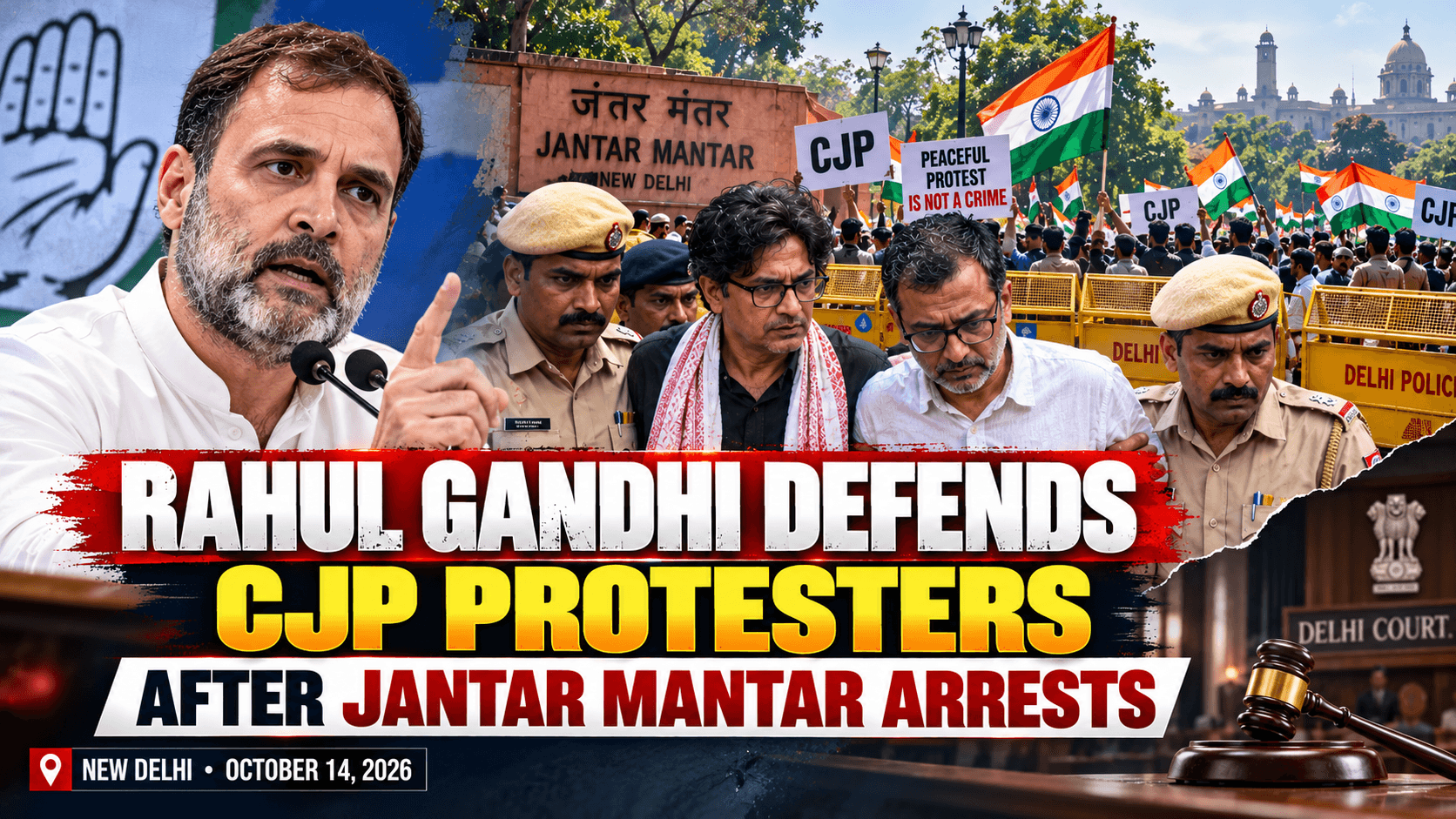
Rahul Gandhi Defends CJP Protesters After Jantar Mantar Arrests
Rahul Gandhi publicly condemned the arrest of Cockroach Janta Party leaders at Jantar Mantar, calling the detention of peaceful flag‑waving protesters a cowardly act. His statement signals a new alignment of opposition forces against the Centre’s decision to de‑notify the historic protest site.
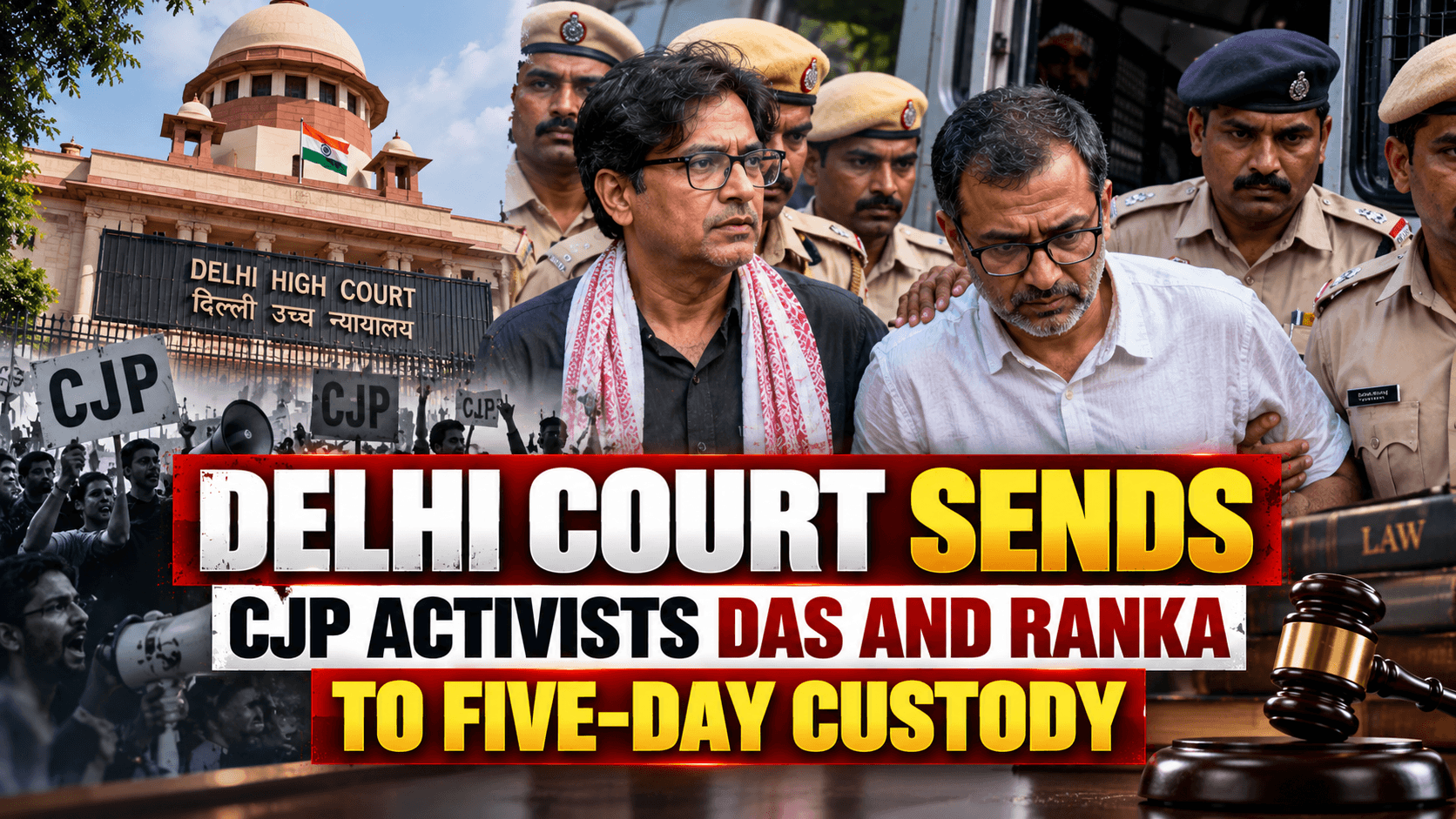
Delhi Court Sends CJP Activists Das and Ranka to Five‑Day Custody
The Special Executive Magistrate court ordered a five‑day judicial custody for CJP leaders Saurav Das and Ashutosh Ranka after they entered the barred Jantar Mantar area. The ruling follows a wave of protests over alleged irregularities in the election roll revision process.
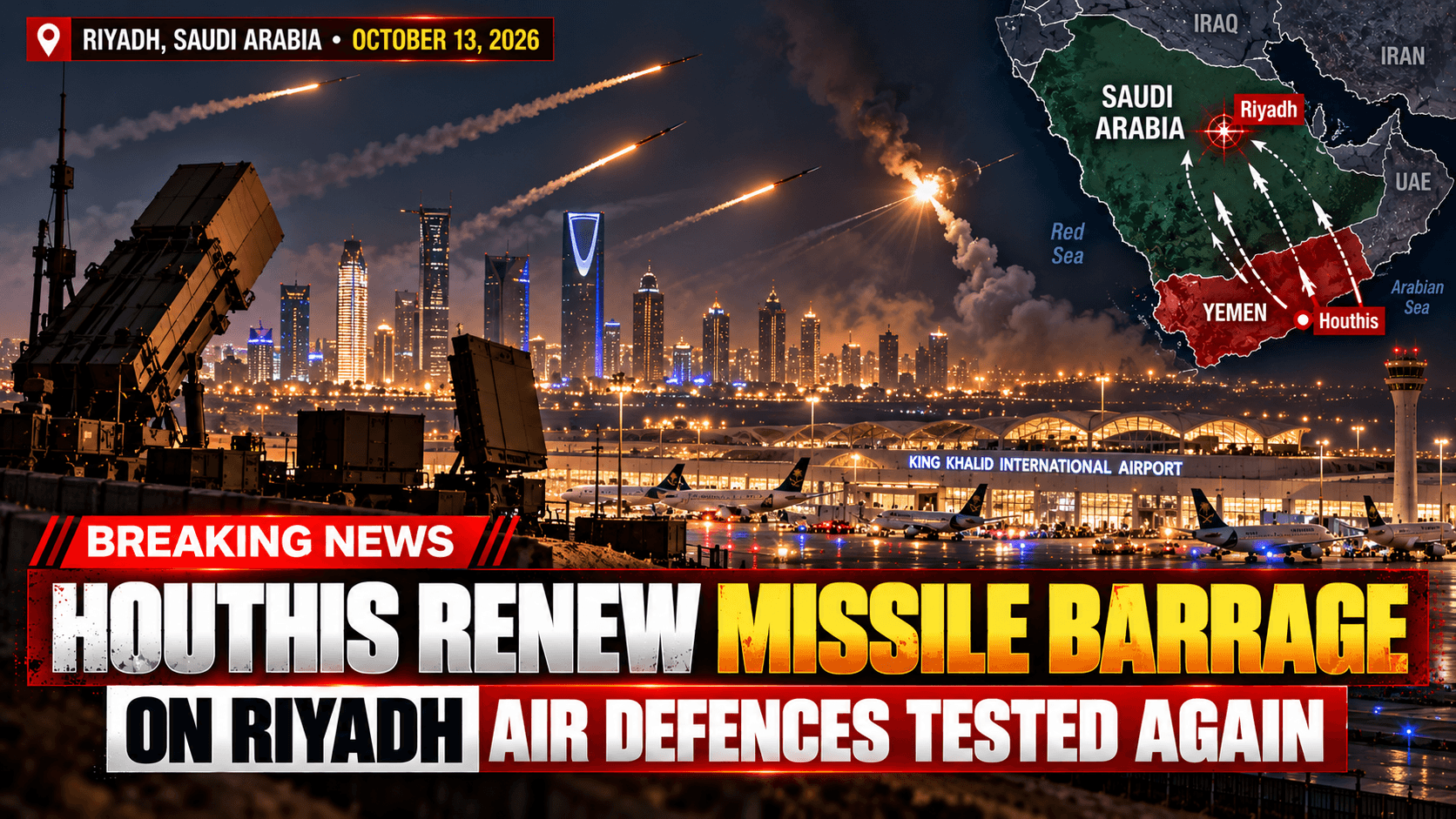
Houthis Renew Missile Barrage on Riyadh, Saudi Air Defences Tested Again
For the third consecutive day the Yemeni Houthi movement launched ballistic missiles toward Saudi Arabia’s capital, prompting interceptions and a renewed shutdown of Riyadh’s main airport. The attacks have strained Saudi air defences, disrupted international flights and raised regional security concerns.
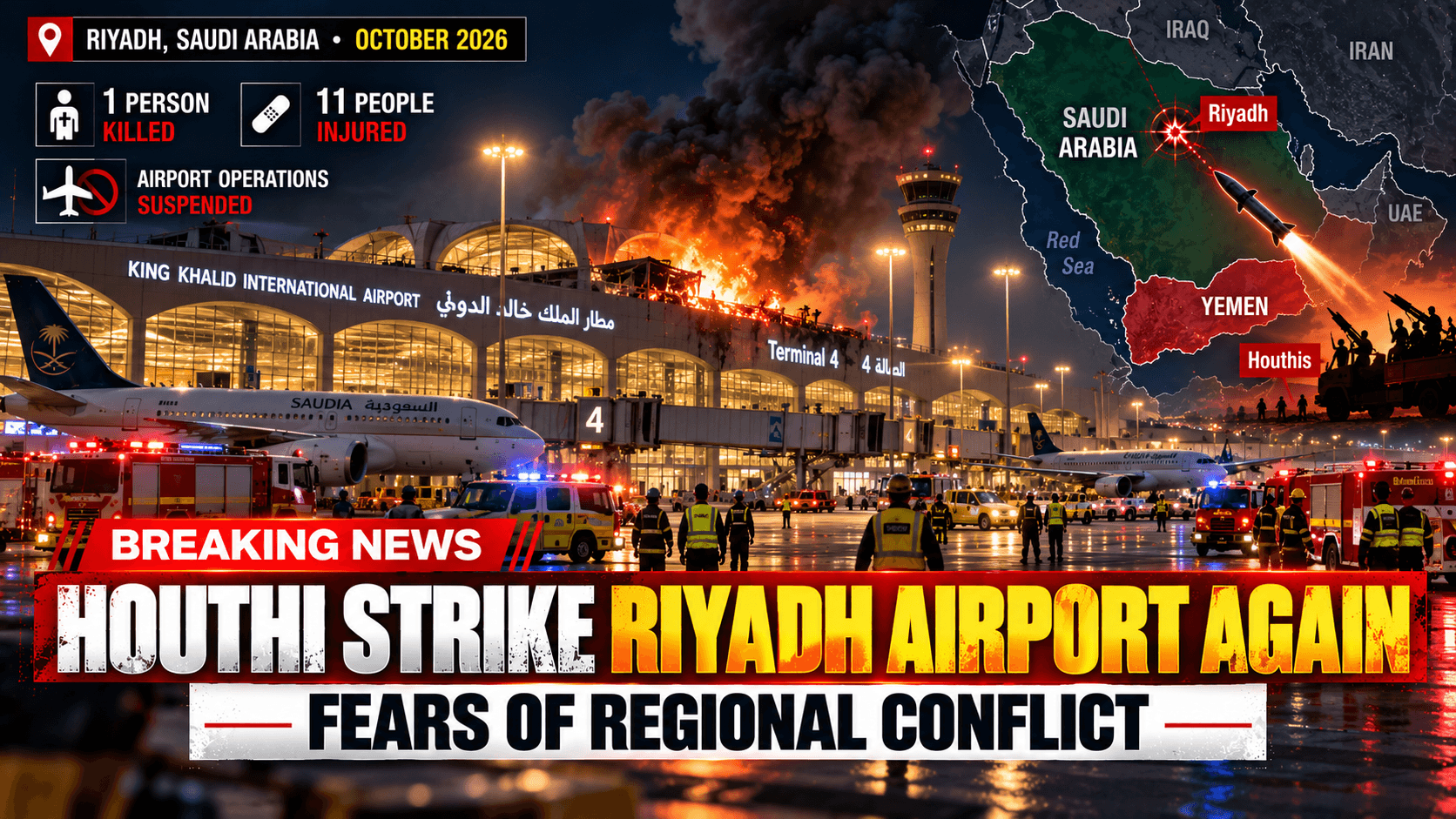
Houthis Strike Riyadh Airport Again, Raising Fears of Regional Conflict
The Houthi movement launched a fresh missile assault on King Khalid International Airport, killing dozens and wounding hundreds. Saudi Arabia vows a strong response as regional tensions rise.