
Trump Pitches Iran Deal or Rapid Military Action at UN Assembly
During a high‑profile UN General Assembly speech, former President Donald Trump presented a stark choice: negotiate a comprehensive Iran accord after the November mid‑terms or launch an accelerated military campaign. He later hinted the United States would pursue a deal once the elections conclude.
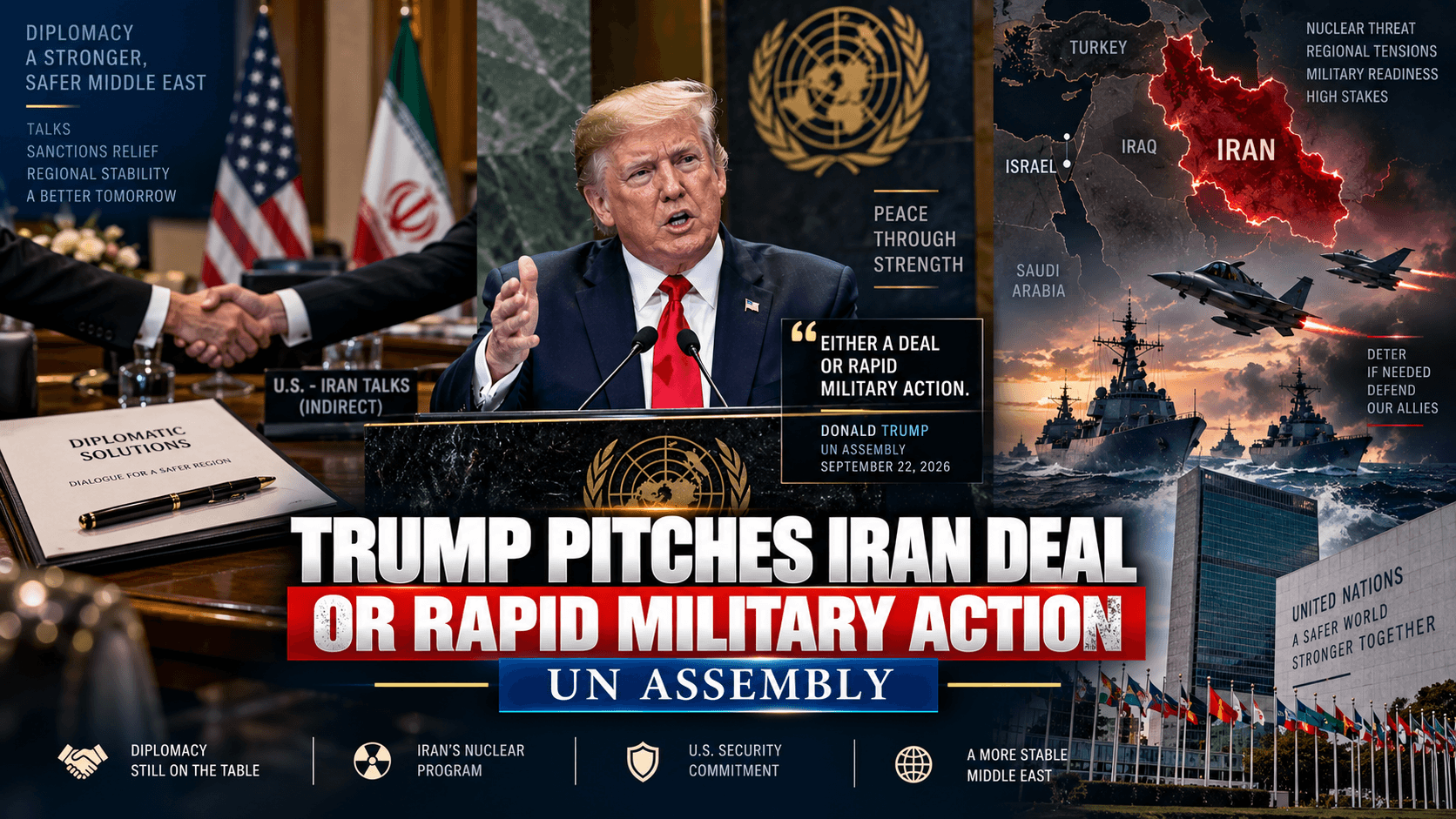
Speaking to a packed hall of diplomats in New York, former U.S. President Donald Trump framed the Iran question as a binary dilemma. He asked his audience to imagine two divergent paths – a diplomatic settlement that could rebuild Iran into a regional powerhouse, or a swift, overwhelming strike that would cripple the Islamic Republic before it could threaten anyone again.
Setting the Stage at the UN General Assembly
The address took place amid the high‑level general debate scheduled from September 22 to 26, with a concluding session on September 28. World leaders gathered to discuss climate action, development, sea‑level rise, and pandemic preparedness, but Trump seized the moment to spotlight the lingering tension with Tehran.
The Choice He Posed
"I have a big decision to make," Trump declared. "Will we strike a deal that lets Iran rebuild and perhaps become one of the strongest nations in the Middle East – or do we drive them into hell with a rapid, decisive strike?" He punctuated the question with a rhetorical flourish, asking whether the United States should "annihilate the Islamic Republic" and prevent any future aggression.
Immediate Follow‑Up: A Deal After the Mid‑terms
Within minutes, the former president answered his own query. Citing the upcoming November 3 mid‑term elections, he asserted, "I believe we'll make a deal right after the election because it doesn't make sense for them not to. They're waiting to see how I do in the midterm election." This comment suggested that any diplomatic breakthrough would be timed to coincide with the political calendar back home.
Reactions Inside the Assembly
When Trump began recounting the past six months of U.S. airstrikes against Tehran, the Iranian delegation reacted dramatically. Most members stood and exited the chamber, leaving only a lone delegate seated—a visual cue of the deep animosity that still simmers between the two nations.
Trump’s Narrative on Military Pressure
He defended the ongoing campaign, pointing to Tehran's blockage of the Strait of Hormuz and the resulting economic fallout. "As president of the most extraordinary nation in history, I have no interest in letting dangers fester," Trump insisted, emphasizing his resolve to prevent Iran from acquiring a nuclear weapon.
Claims About U.S. Arsenal
Addressing rumors that the United States was depleting its ammunition stockpiles, Trump dismissed the notion as propaganda. "The cowards and traitors would love to say the United States is low on ammunition, but that's not true," he said. He boasted that the U.S. was "adding to our stockpiles faster than ever before – top‑of‑the‑line stuff," and hinted at the imminent opening of massive munitions factories, noting that eighteen such plants were already under construction.
Context: Recent History of the Iran Standoff
Last year, during a similar UN address, Trump claimed the United States had "demolished" Iran's nuclear capabilities. While that statement was met with skepticism by analysts, it set the tone for a confrontational posture that has persisted throughout his tenure.
Economic and Strategic Stakes
The Strait of Hormuz remains a chokepoint for global oil shipments. Iran's occasional closures have sent ripples through international markets, underscoring why Washington views Tehran's actions as a strategic threat. Trump’s rhetoric, therefore, intertwines both military readiness and economic security.
Looking Ahead: What a Deal Might Entail
If a post‑election agreement materializes, it would likely involve a complex mix of nuclear restrictions, sanctions relief, and security guarantees. Observers speculate that Tehran would seek the lifting of economic sanctions that have crippled its oil exports, while Washington would demand verifiable limits on uranium enrichment and ballistic‑missile development.
Potential Obstacles
Political Fragmentation: The Iranian political system is split between hard‑liners and moderates, making any concession a delicate balancing act.
U.S. Domestic Politics: The outcome of the November mid‑terms could reshape congressional support for any deal, influencing the administration’s negotiating leverage.
Regional Dynamics: Allies such as Israel and Saudi Arabia remain wary of a softened stance toward Tehran, potentially complicating the diplomatic calculus.
Conclusion: A Pivotal Moment on the Global Stage
Trump’s UN speech re‑energized a debate that has lingered since the 2015 nuclear accord. By framing the Iran issue as an either/or scenario—diplomacy versus devastation—he forced the international community to confront the stakes of both paths. Whether the United States will indeed strike a deal after the mid‑terms, or pursue a rapid military option, remains to be seen. What is clear, however, is that the decision will shape Middle Eastern stability and global security for years to come.
Latest Posts
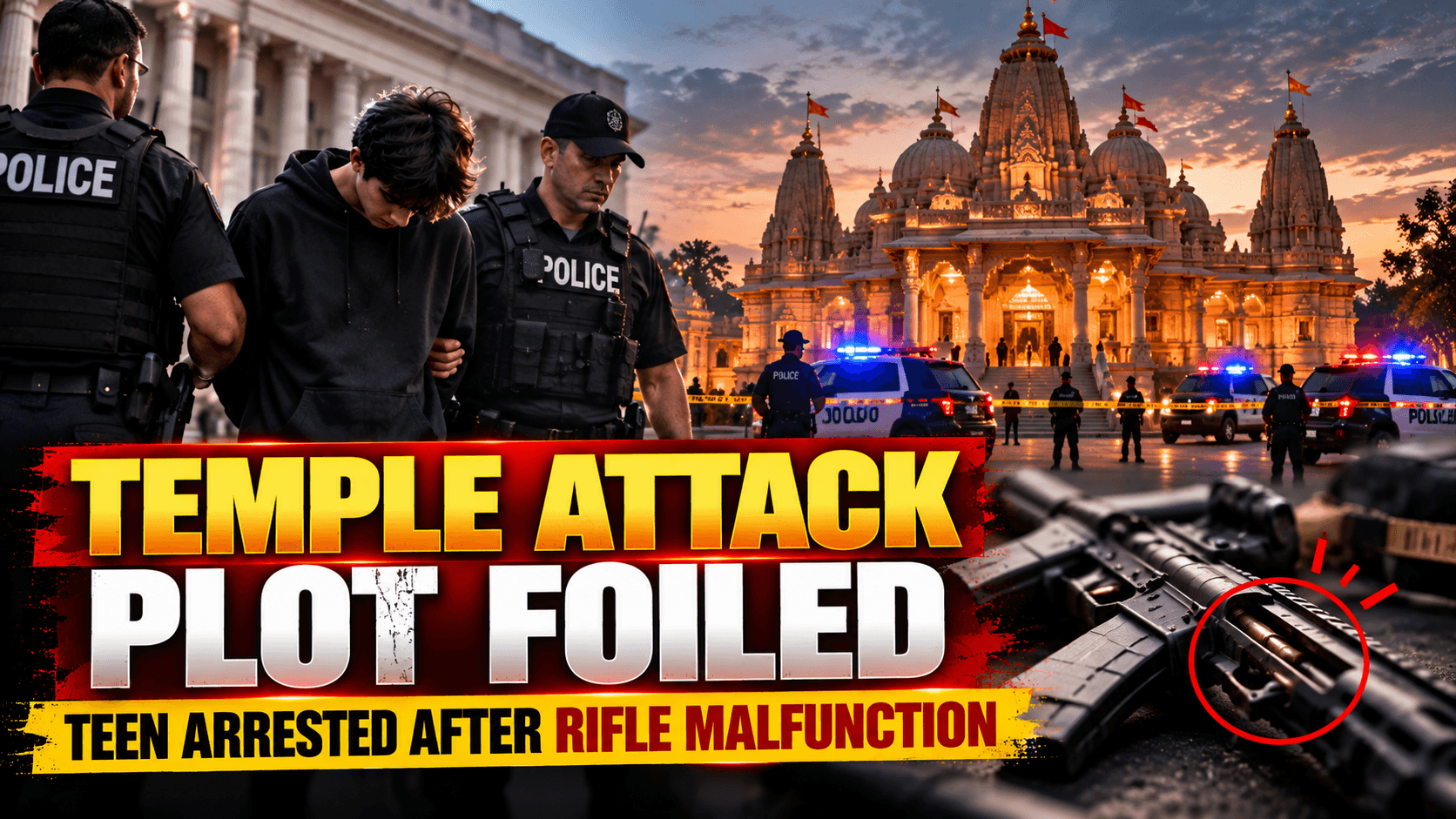
Teen Arrested After Faulty Rifle Foils Hindu Temple Shooting Plot
A 19‑year‑old Taco Bell employee in Illinois was detained after a jammed rifle prevented a planned mass shooting at a Hindu temple. Police recovered weapons, extremist material, and a manifesto outlining white‑supremacist motives.
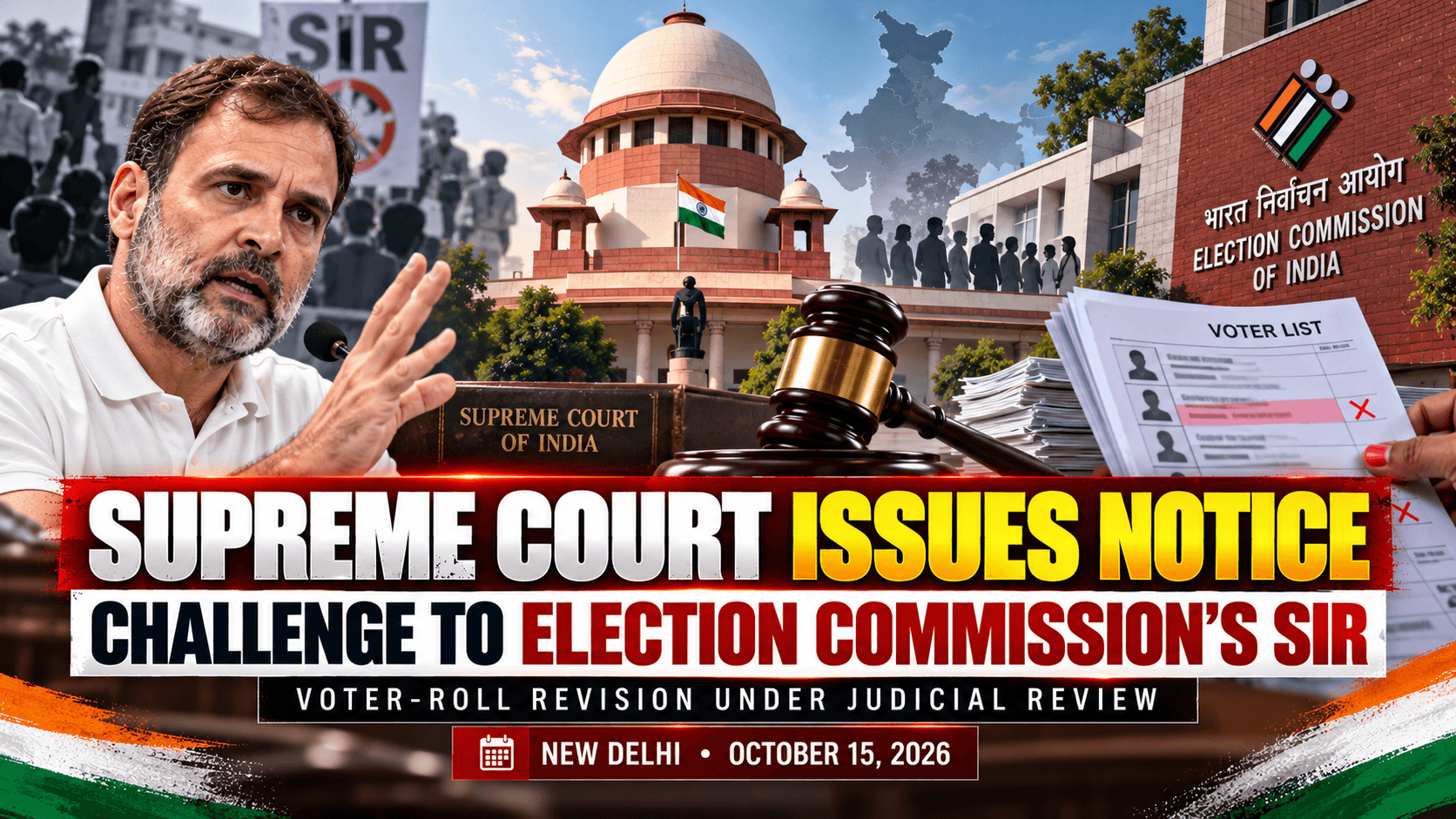
Supreme Court Notices Challenge to Election Commission’s SIR
The Supreme Court has issued a notice on a petition filed by Rahul Gandhi and other opposition figures contesting the Election Commission’s Special Intensive Revision of voter lists. The court’s order seeks explanations from the petitioners and may pause the SIR process pending further review.
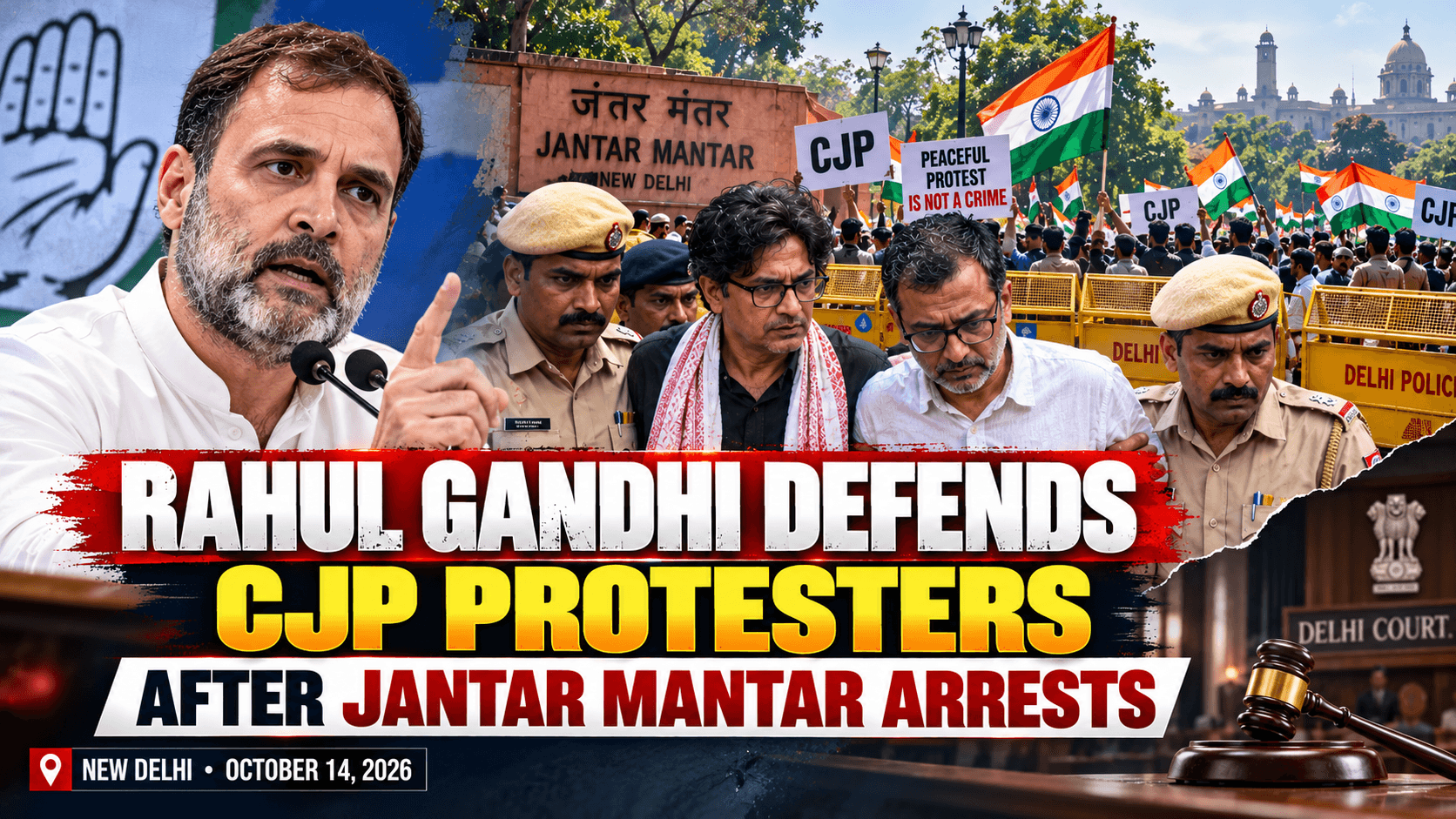
Rahul Gandhi Defends CJP Protesters After Jantar Mantar Arrests
Rahul Gandhi publicly condemned the arrest of Cockroach Janta Party leaders at Jantar Mantar, calling the detention of peaceful flag‑waving protesters a cowardly act. His statement signals a new alignment of opposition forces against the Centre’s decision to de‑notify the historic protest site.
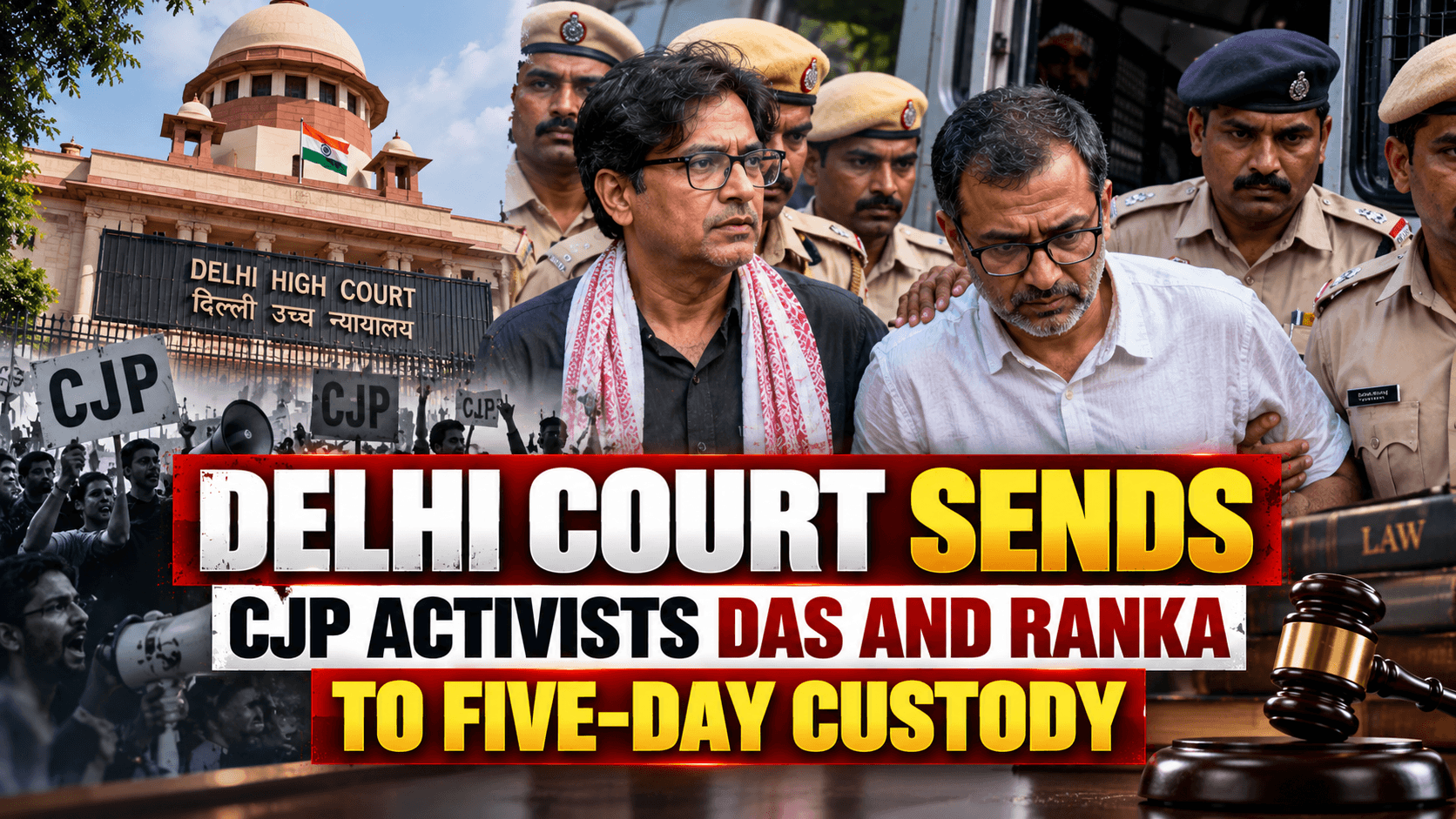
Delhi Court Sends CJP Activists Das and Ranka to Five‑Day Custody
The Special Executive Magistrate court ordered a five‑day judicial custody for CJP leaders Saurav Das and Ashutosh Ranka after they entered the barred Jantar Mantar area. The ruling follows a wave of protests over alleged irregularities in the election roll revision process.
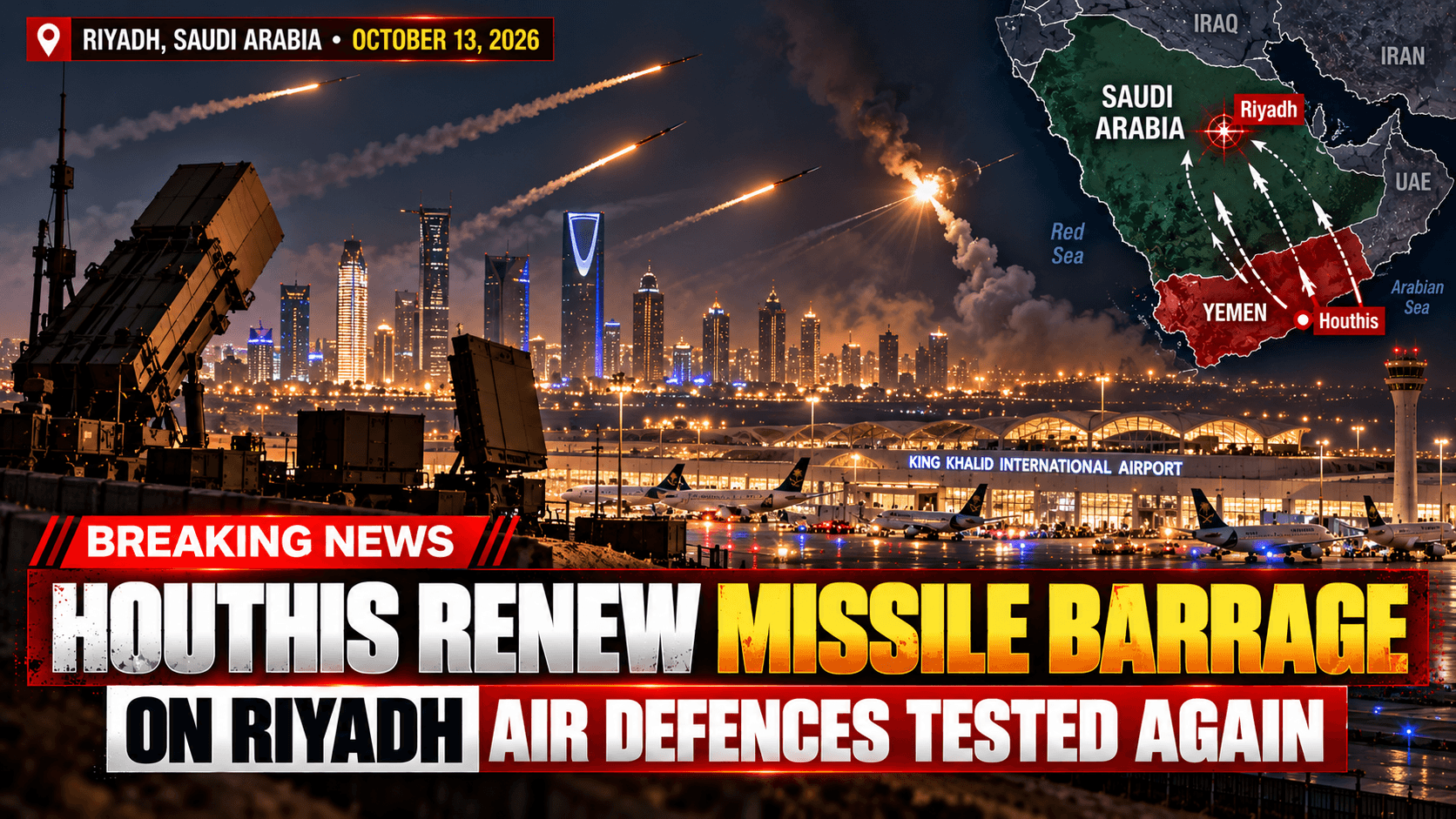
Houthis Renew Missile Barrage on Riyadh, Saudi Air Defences Tested Again
For the third consecutive day the Yemeni Houthi movement launched ballistic missiles toward Saudi Arabia’s capital, prompting interceptions and a renewed shutdown of Riyadh’s main airport. The attacks have strained Saudi air defences, disrupted international flights and raised regional security concerns.
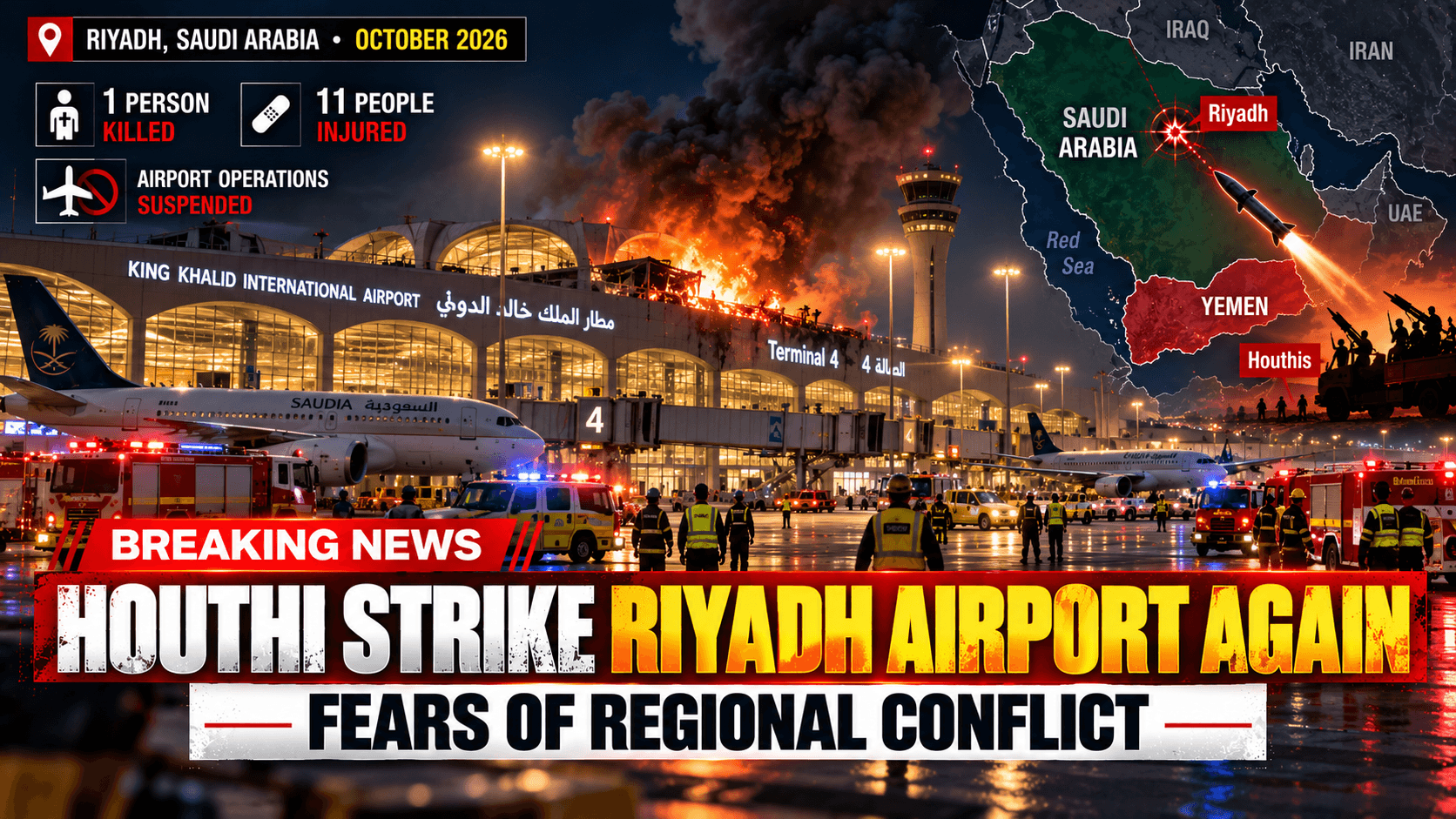
Houthis Strike Riyadh Airport Again, Raising Fears of Regional Conflict
The Houthi movement launched a fresh missile assault on King Khalid International Airport, killing dozens and wounding hundreds. Saudi Arabia vows a strong response as regional tensions rise.