
Trump‑Xi Summit: Trade Truce Persists as Taiwan Issue Looms
Washington prepares for a high‑stakes Trump‑Xi meeting focused on extending a modest trade truce while underlying tensions over Taiwan and Iran simmer. Analysts see Beijing holding the upper hand, with the summit likely delivering incremental stability rather than sweeping breakthroughs.
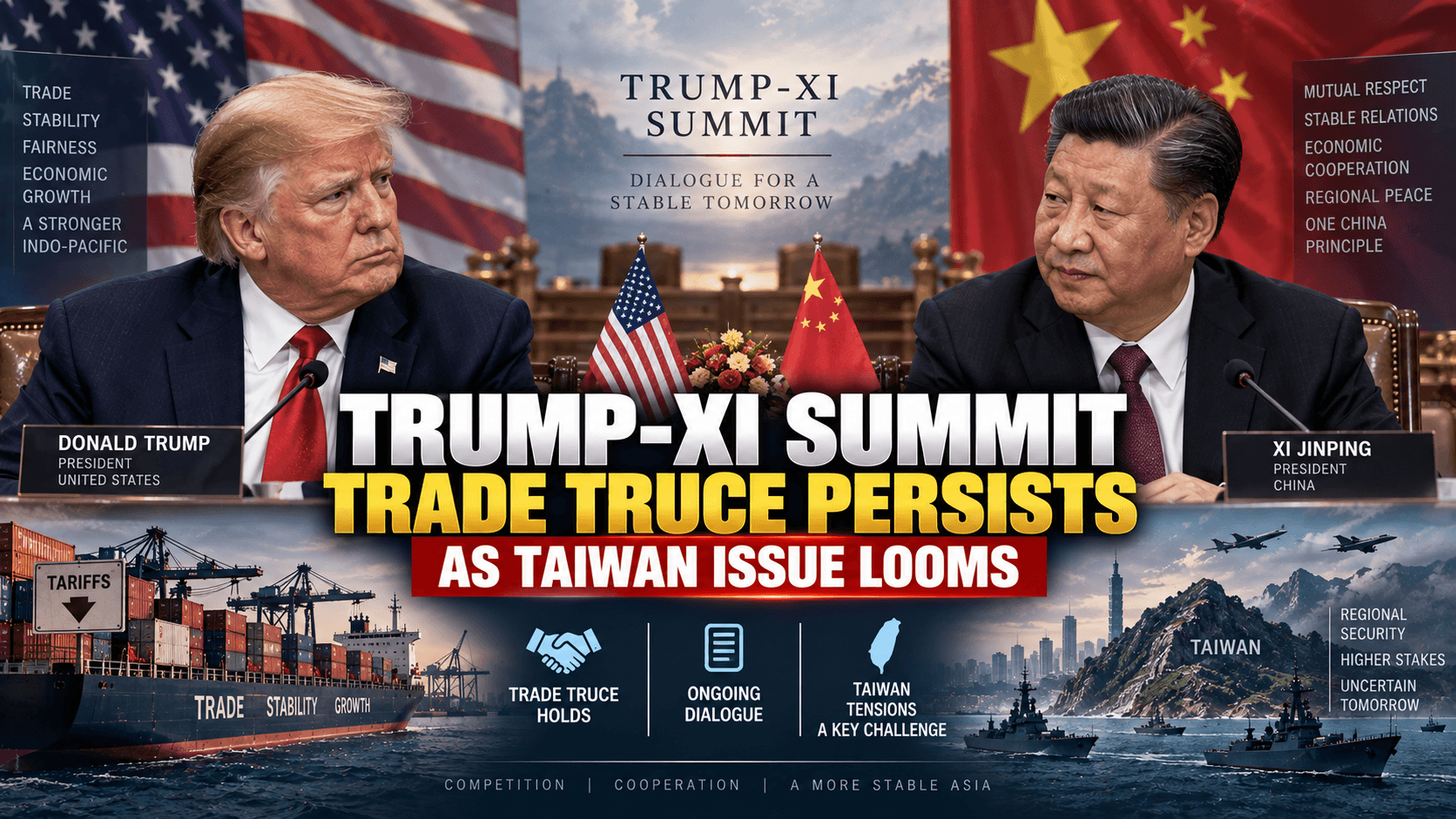
As Washington prepares to host the much‑anticipated meeting between President Donald Trump and Chinese President Xi Jinping, the diplomatic atmosphere is tinged with both optimism and unease. While the two leaders are expected to reaffirm a modest trade pause that has steadied markets since last autumn, deeper geopolitical currents—most notably the fate of Taiwan and the lingering conflict in Iran—loom large over the agenda.
Background: A Shift in Momentum for Both Leaders
Four months have elapsed since Trump and Xi last stood side by side on the world stage. In that interval, President Xi has overseen a resurgence in China’s export engine, pushing the nation toward a second consecutive year of a $1 trillion‑plus trade surplus. Meanwhile, President Trump grapples with waning domestic approval, a costly Iranian engagement, and a string of foreign‑policy crises that have diverted attention from the trade front.
Why Expectations Have Been Tempered
Analysts note that the balance of power has tilted in Beijing’s favor. Xi appears less inclined to make concessions, preferring to solidify the “gentleman’s agreement” that paused new tariff escalations. In the words of Brookings senior fellow Jon Czin, who once directed China policy at the National Security Council, “Xi wants to extend the truce so China can reinforce its position, not to negotiate substantive gains.”
Trade Truce: The Core of the Washington Dialogue
The primary objective of the September 24 summit is to determine whether the modest trade accommodation struck in October 2025 will be prolonged. The agreement, which halted a wave of fresh tariffs, helped avoid a shock to global supply chains and gave markets a brief respite.
Pre‑summit talks in New York, led by U.S. Treasury Secretary Scott Bessent and Chinese Vice Premier He Lifeng, focused on two relatively low‑sensitivity topics: a set of “AI guardrails” and trade in non‑strategic goods. Both sides presented the discussions as a stepping stone rather than a breakthrough, a tone echoed by White House officials who deliberately downplayed expectations for sweeping deals.
From Tariff Vows to Trade Realities
Trump entered the presidency in 2025 promising to wield tariffs as a weapon against what he called a “trade imbalance that is killing America.” Yet the reality on the ground has proved stubbornly complex. While the administration has successfully restricted cheap parcels from low‑cost Chinese e‑commerce platforms like Shein and Temu, over half of the roughly 6,500 product categories China shipped to the United States this year have actually expanded in volume compared with 2025.
Taiwan: The Unavoidable Flashpoint
Beyond commerce, the question of Taiwan remains a persistent irritant for U.S. allies throughout East Asia. During a May meeting in Beijing, Xi repeatedly probed Trump about the United States’ commitment to the island, including inquiries about arms sales and defensive resolve. Trump later described a pending $14 billion weapons package for Taiwan as a “negotiating chip” he could wield in talks with Beijing.
Officials in Taipei and Tokyo fear that Trump might be tempted to trade that chip for short‑term political capital ahead of the November midterm elections, potentially compromising long‑standing U.S. support for the democratic island.
Possible concessions could include Chinese purchases of American aerospace products such as Boeing jets.
Or Beijing might agree to curb the flow of fentanyl‑precursor chemicals that have fueled the U.S. opioid epidemic.
In exchange, the United States could soften its diplomatic posture on Taiwan.
Shanghai‑based scholar Wu Xinbo of Fudan University, who advises China’s foreign ministry, warns that “China‑U.S. ties have become more transactional.” He argues that Beijing will weigh any trade benefits against the strategic significance of Taiwan, stating, “If you accommodate our concern on the Taiwan issue, we will be willing to accommodate yours on law‑enforcement cooperation or agricultural purchases.”
Iran: A Parallel Battlefield
Washington also hopes to leverage Xi’s influence over Tehran to bring its costly war in Iran to an end—a conflict that has eroded Trump’s approval ratings to historic lows. However, evidence suggests China is not eager to pressure its regional partner. Recent reports indicate Beijing continues to supply Iran with billions of dollars’ worth of goods through a sanctions‑evasion network, a claim the Chinese foreign ministry officially denies.
Last month, the United States threatened secondary sanctions against any nation doing business with Iran, a move Treasury Secretary Bessent labeled an “Economic D‑Day.” So far, these threats have not been applied to China, underscoring the limits of U.S. leverage.
Why Stability Matters to Both Sides
Both presidents appear to value a predictable relationship that lets them focus on priority issues: Trump on Iran and domestic politics, Xi on bolstering China’s internal resilience. “Both Xi and Trump feel it is quite helpful to have stability in the relationship so that they can focus on more pressing things,” notes Ruby Osman, senior geopolitical researcher at the Tony Blair Institute for Global Change.
Business Delegations and Regulatory Scrutiny
A contingent of Chinese business leaders is slated to accompany Xi to Washington, potentially including firms that are currently navigating U.S. regulatory hurdles while seeking greater market access. Their presence signals Beijing’s intent to showcase the economic benefits of cooperation, even as Washington’s “massive unilateral pressure” strategy has, according to CSIS expert Scott Kennedy, failed to extract meaningful concessions from China.
What to Watch for in the Coming Days
The summit’s outcome will likely be measured not by grand headlines but by subtle signals: whether the trade truce is extended, how Taiwan is referenced in the final communique, and any hints of coordinated action on Iran. For allies in Tokyo, Taipei, and beyond, the meeting is a litmus test of how far Beijing is willing to go in shaping the United States’ regional posture.
In the words of a senior U.S. diplomat, “We are not looking for miracles, but we do need predictability.” As both leaders navigate domestic pressures and global expectations, the Washington talks could set the tone for the next chapter of U.S.–China relations.
Latest Posts

Teen Arrested After Faulty Rifle Foils Hindu Temple Shooting Plot
A 19‑year‑old Taco Bell employee in Illinois was detained after a jammed rifle prevented a planned mass shooting at a Hindu temple. Police recovered weapons, extremist material, and a manifesto outlining white‑supremacist motives.
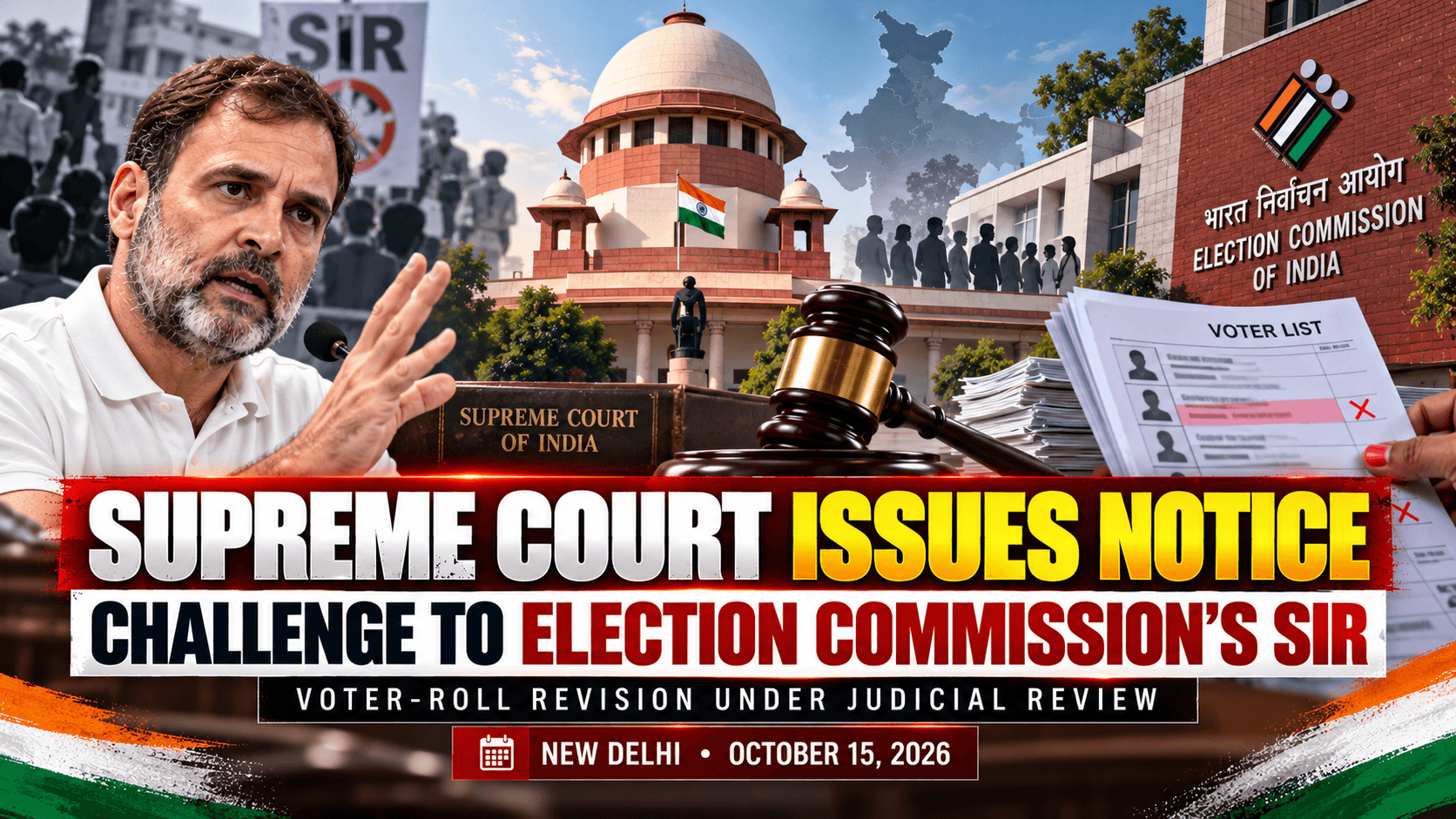
Supreme Court Notices Challenge to Election Commission’s SIR
The Supreme Court has issued a notice on a petition filed by Rahul Gandhi and other opposition figures contesting the Election Commission’s Special Intensive Revision of voter lists. The court’s order seeks explanations from the petitioners and may pause the SIR process pending further review.
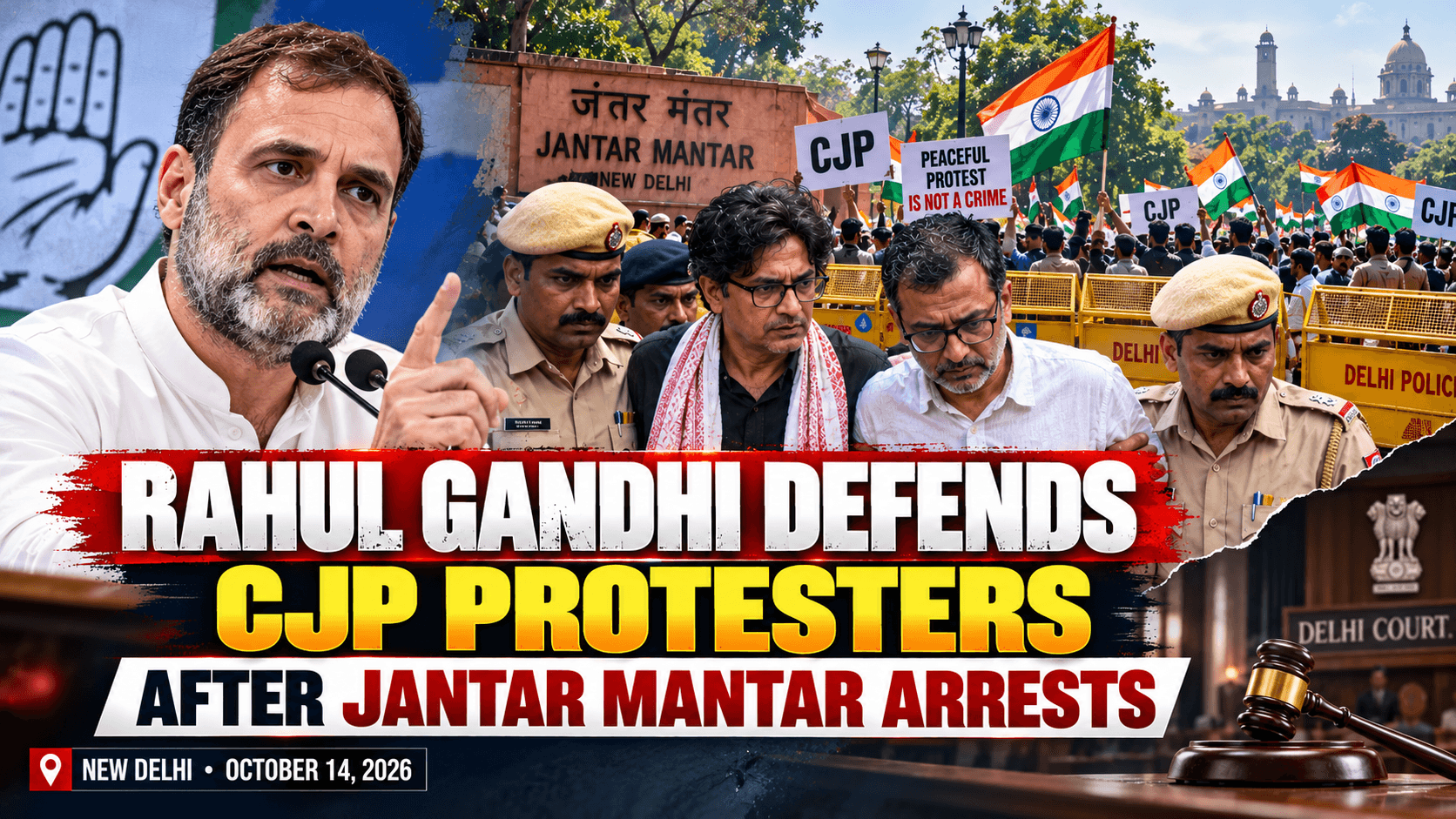
Rahul Gandhi Defends CJP Protesters After Jantar Mantar Arrests
Rahul Gandhi publicly condemned the arrest of Cockroach Janta Party leaders at Jantar Mantar, calling the detention of peaceful flag‑waving protesters a cowardly act. His statement signals a new alignment of opposition forces against the Centre’s decision to de‑notify the historic protest site.
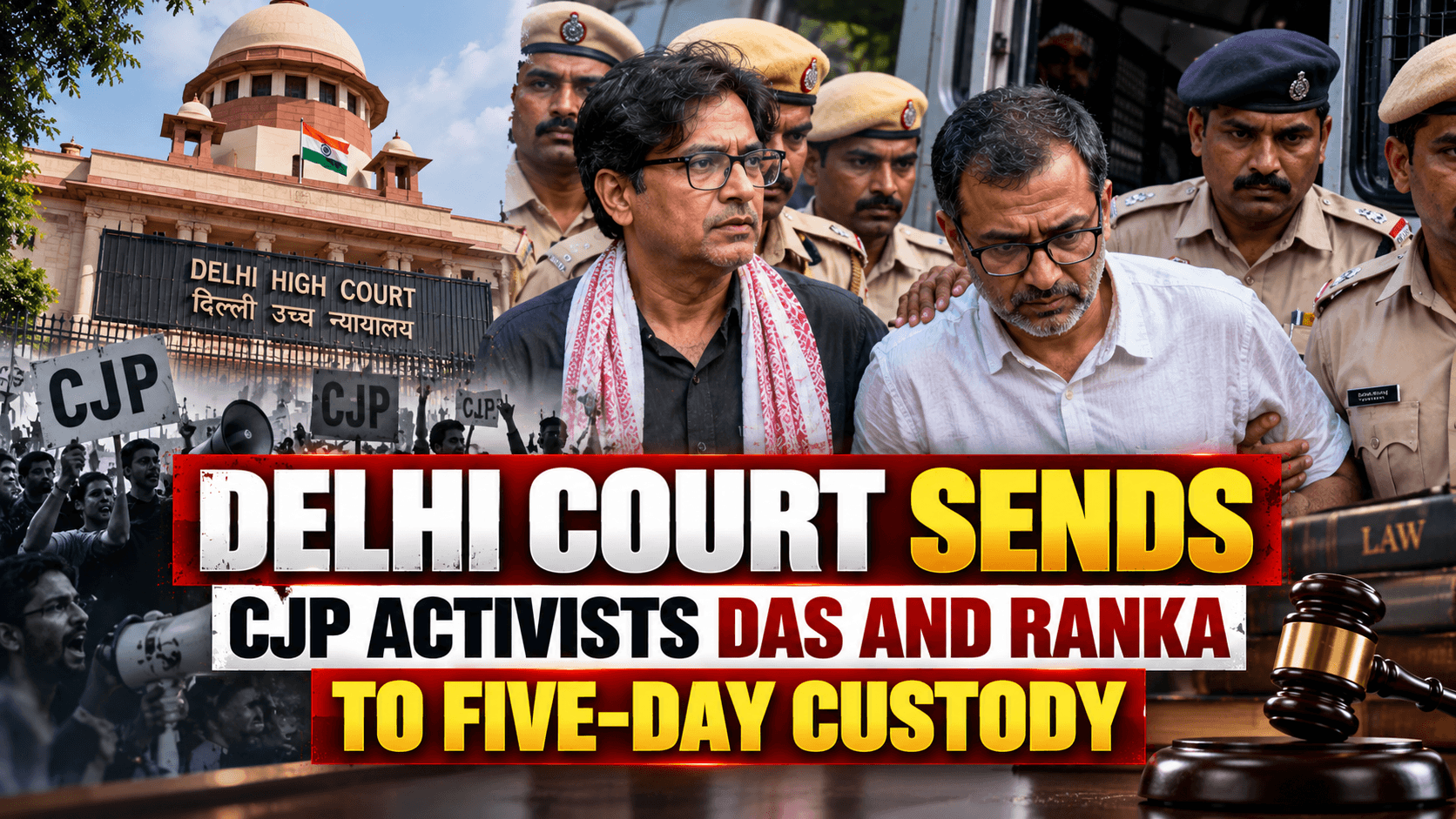
Delhi Court Sends CJP Activists Das and Ranka to Five‑Day Custody
The Special Executive Magistrate court ordered a five‑day judicial custody for CJP leaders Saurav Das and Ashutosh Ranka after they entered the barred Jantar Mantar area. The ruling follows a wave of protests over alleged irregularities in the election roll revision process.
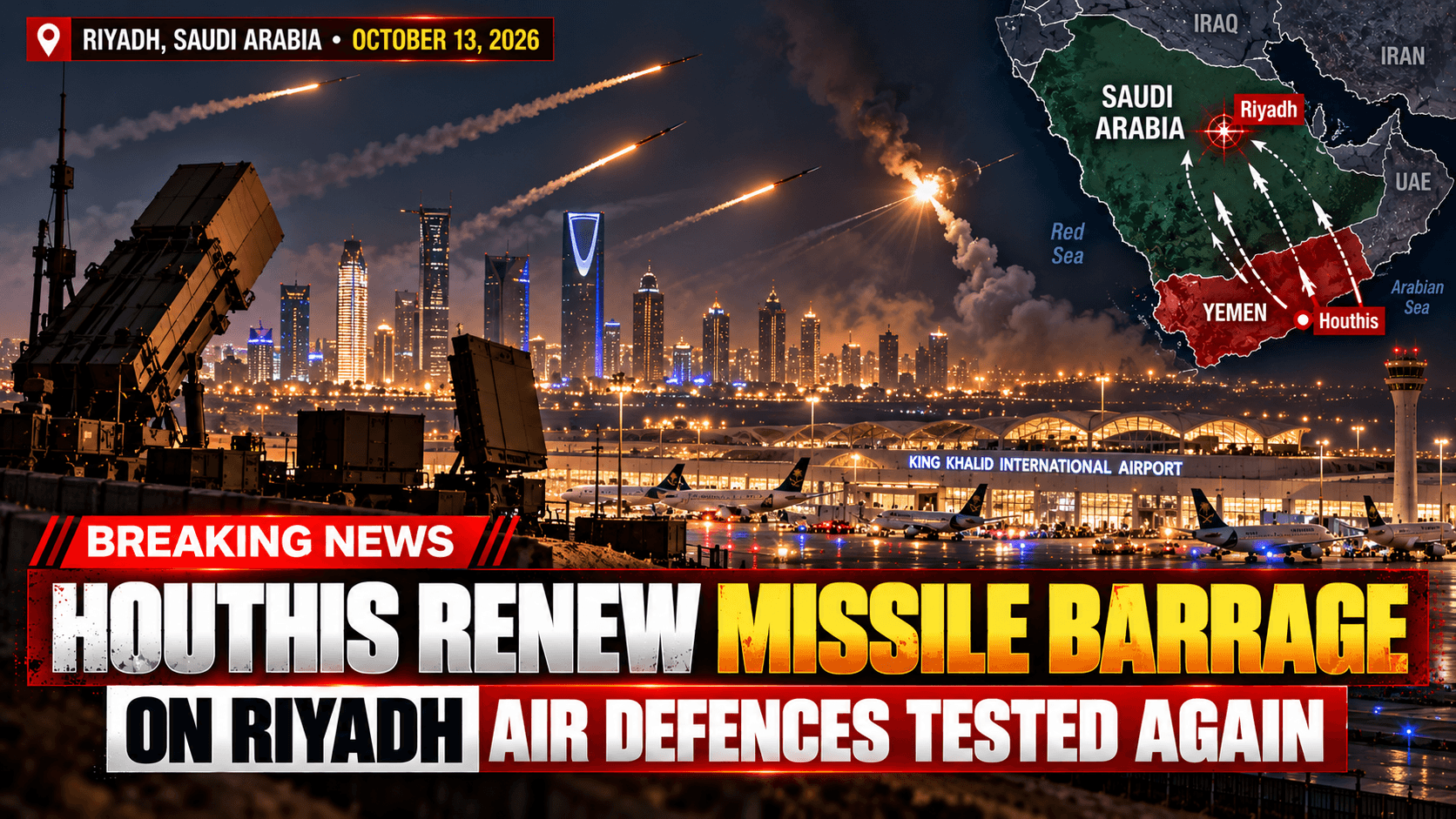
Houthis Renew Missile Barrage on Riyadh, Saudi Air Defences Tested Again
For the third consecutive day the Yemeni Houthi movement launched ballistic missiles toward Saudi Arabia’s capital, prompting interceptions and a renewed shutdown of Riyadh’s main airport. The attacks have strained Saudi air defences, disrupted international flights and raised regional security concerns.
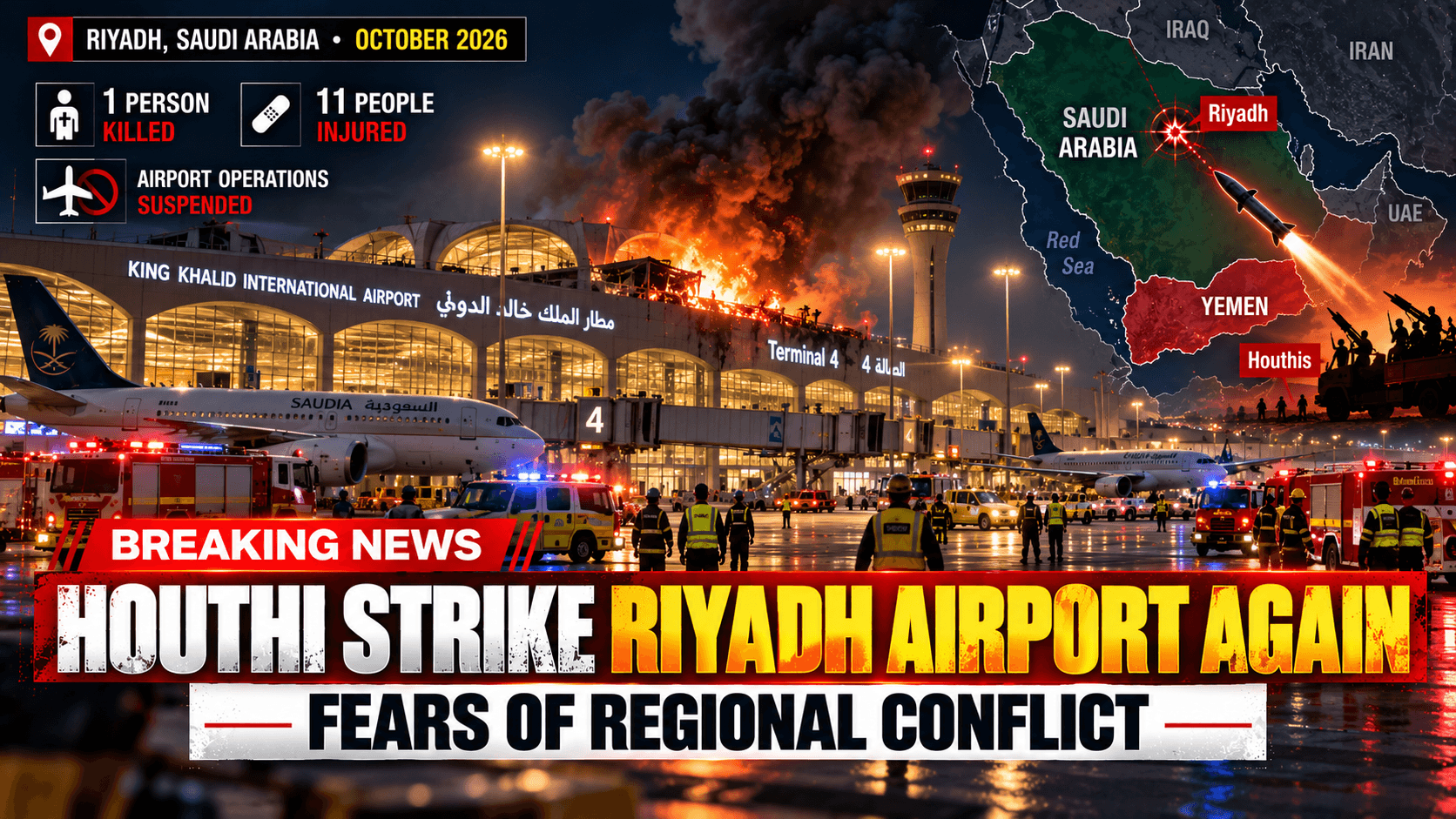
Houthis Strike Riyadh Airport Again, Raising Fears of Regional Conflict
The Houthi movement launched a fresh missile assault on King Khalid International Airport, killing dozens and wounding hundreds. Saudi Arabia vows a strong response as regional tensions rise.