
US House OKs Russia Sanctions, Allows Trump 100% Tariffs on India
The U.S. House approved a sweeping sanctions package targeting Russian officials, banks and energy exports, and gave President Trump the authority to levy tariffs of up to 100% on countries that continue buying Russian oil and gas, notably India. The measure now heads to the White House, where Trump’s signature could turn the tariff threat into law.
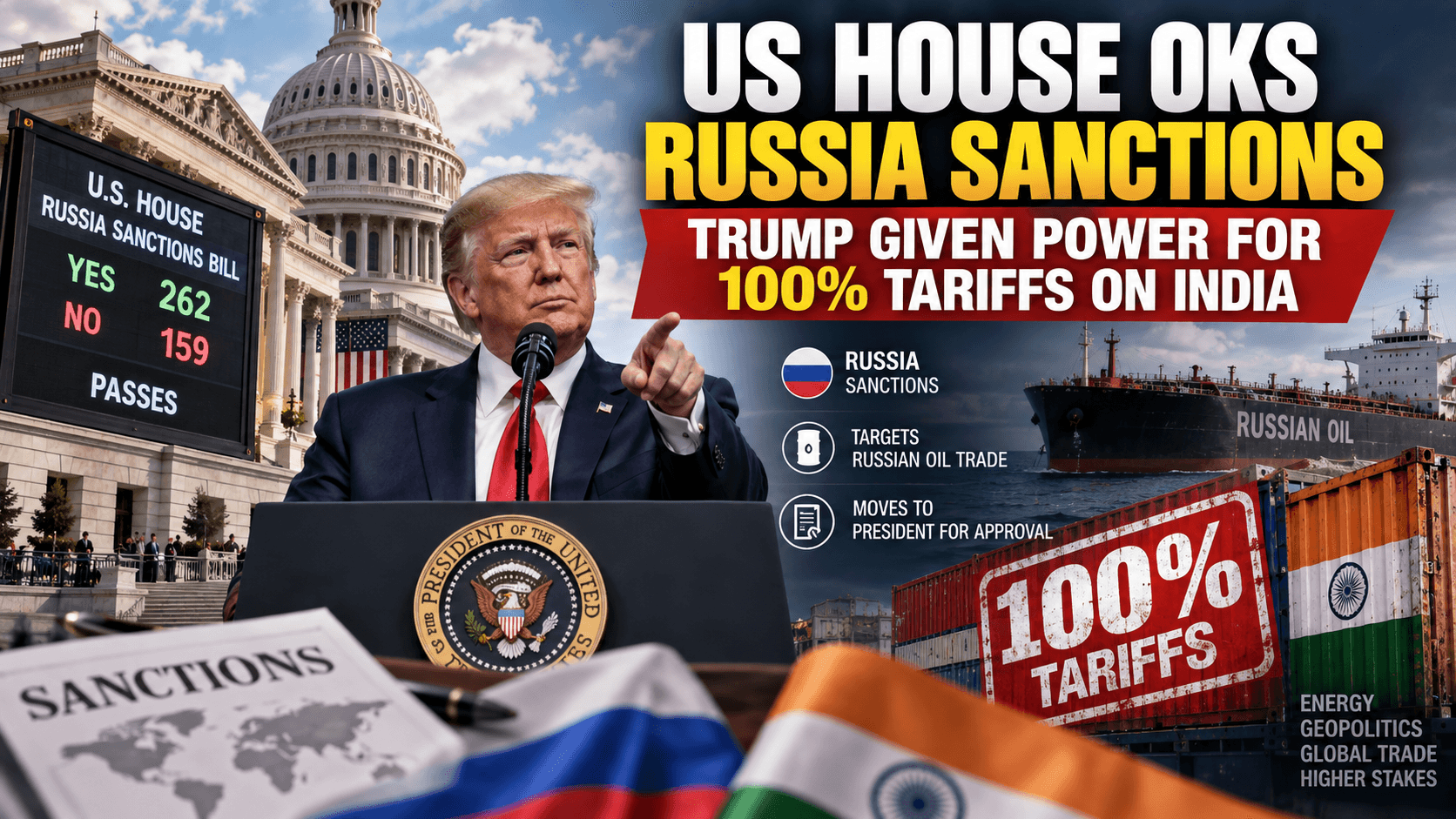
The lower chamber of Congress cleared a comprehensive sanctions bill aimed at Russia, while simultaneously granting President Donald Trump the power to impose steep import duties on nations that persist in purchasing Russian energy. The legislation, formally known as the Lindsey O. Graham Sanctioning Russia and Iran Act of 2026, passed the House with a 262‑159 vote and now awaits the president’s signature.
Key Provisions and How Tariffs Would Work
The core of the new authority allows the president to levy duties of up to 100% on the five biggest importers of Russian crude oil or natural gas. India and China, which together account for a large share of Moscow’s energy sales, are the primary targets. An exception is built in for any country that purchases less than 15% of Russia’s gas exports and can demonstrate concrete steps to cut that reliance.
Importantly, the bill does not automatically slap a 100% tariff on Indian goods. Instead, it creates a legal pathway for the executive branch to invoke such duties if the specified conditions are met, turning the threat of a full‑scale duty into a lever of diplomatic pressure.
Expanded Sanctions Beyond Tariffs
Beyond the tariff clause, the act broadens the existing sanctions regime in several ways:
It adds new designations against Russian officials, senior leaders, and members of the security apparatus.
Financial institutions that facilitate Russia’s international transactions face tighter restrictions.
Vessels operating in Russia’s so‑called “shadow fleet”—ships that have helped keep energy exports flowing despite earlier Western bans—are now subject to punitive measures.
The package also extends current sanctions on Iran for an additional five years, reflecting a bipartisan effort to keep pressure on Tehran.
Political Backdrop and Legislative Journey
The bill’s passage marks the most substantial congressional action in support of Ukraine since President Trump returned to office. The Senate approved the measure earlier, on August 7, by an 86‑11 margin. However, debate in the House stalled for weeks over the tariff authority, with some members fearing unintended consequences for U.S. allies and domestic consumers.
Republican Senator Lindsey Graham of South Carolina, after a year of negotiations, secured Trump’s backing by incorporating the president’s demand for an extension of Iran sanctions. Trump, who has previously criticized nations that buy Russian oil, saw the tariff provision as a way to penalize “energy‑friendly” countries.
Voices From Capitol Hill
Supporters argue the tariff threat is a necessary deterrent. Representative Michael McCaul (R‑TX) warned, “These countries have a choice about whether they will continue to fund Putin’s aggression.” Meanwhile, Democrats expressed unease. Representative Gregory Meeks (D‑NY) noted, “This president has always said he loves tariffs, and history shows how those tools have been used against our allies.”
Some Democrats feared the measure could raise prices for American consumers and strain relations with partners like the European Union. Representative Steny Hoyer (D‑MD) cautioned, “If we fail to pass this bill, there will be cheers in the Kremlin and tears in Kyiv.” Conversely, Representative Don Beyer (D‑VA) warned that even if the bill is passed with good intentions, “Trump could later turn those powers against our own allies, giving Putin a lasting propaganda victory.”
Democratic leader Hakeem Jeffries reiterated the party’s commitment to Ukraine, but he argued the legislation lacks a clear, enforceable pathway to secure lasting assistance for Kyiv.
International Reactions
Ukrainian President Volodymyr Zelenskyy publicly urged Congress to act, posting on social media that “during war, a not‑perfect decision is better than doing nothing.” His appeal underscored the urgency felt in Kyiv as Moscow continues to fund its military campaign through energy sales.
India’s response to the potential tariff has been cautious. New Delhi maintains that its energy purchases are driven by market needs and energy security, while also emphasizing its support for a diplomatic resolution to the conflict.
What Happens Next?
With the House vote finalized, the bill now moves to the White House. If President Trump signs it, the United States will gain a new tool—up to a full‑scale duty on imported goods from any nation that continues to buy Russian oil or gas in large volumes. The administration would then decide, based on the law’s criteria, whether to activate the tariff against India, China, or any other qualifying country.
Critics warn that such a move could trigger retaliatory measures, disrupt global supply chains, and increase costs for American consumers. Proponents argue the leverage is essential to choke off revenue streams that sustain Russia’s war effort.
Bottom Line
The passage of the Lindsey O. Graham Sanctioning Russia and Iran Act of 2026 represents a significant escalation in U.S. economic pressure on Moscow. By coupling expanded sanctions with the unprecedented authority to impose 100% tariffs on major energy importers, the legislation seeks to force a shift in global energy trade patterns. Whether the tariff threat will be exercised, and how it will affect the delicate balance of international relations, remains to be seen as the bill awaits the president’s signature.
Latest Posts

Teen Arrested After Faulty Rifle Foils Hindu Temple Shooting Plot
A 19‑year‑old Taco Bell employee in Illinois was detained after a jammed rifle prevented a planned mass shooting at a Hindu temple. Police recovered weapons, extremist material, and a manifesto outlining white‑supremacist motives.
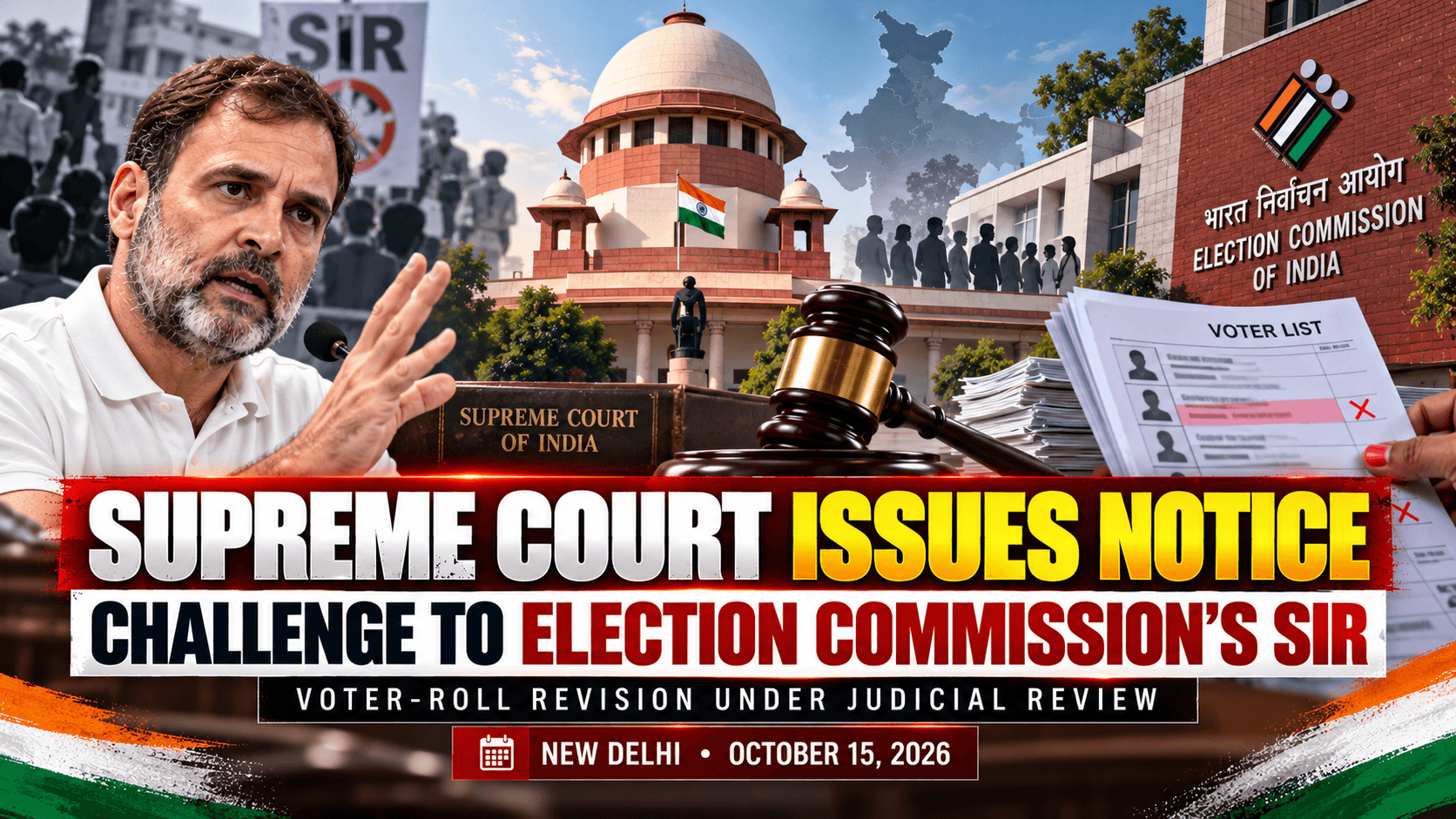
Supreme Court Notices Challenge to Election Commission’s SIR
The Supreme Court has issued a notice on a petition filed by Rahul Gandhi and other opposition figures contesting the Election Commission’s Special Intensive Revision of voter lists. The court’s order seeks explanations from the petitioners and may pause the SIR process pending further review.
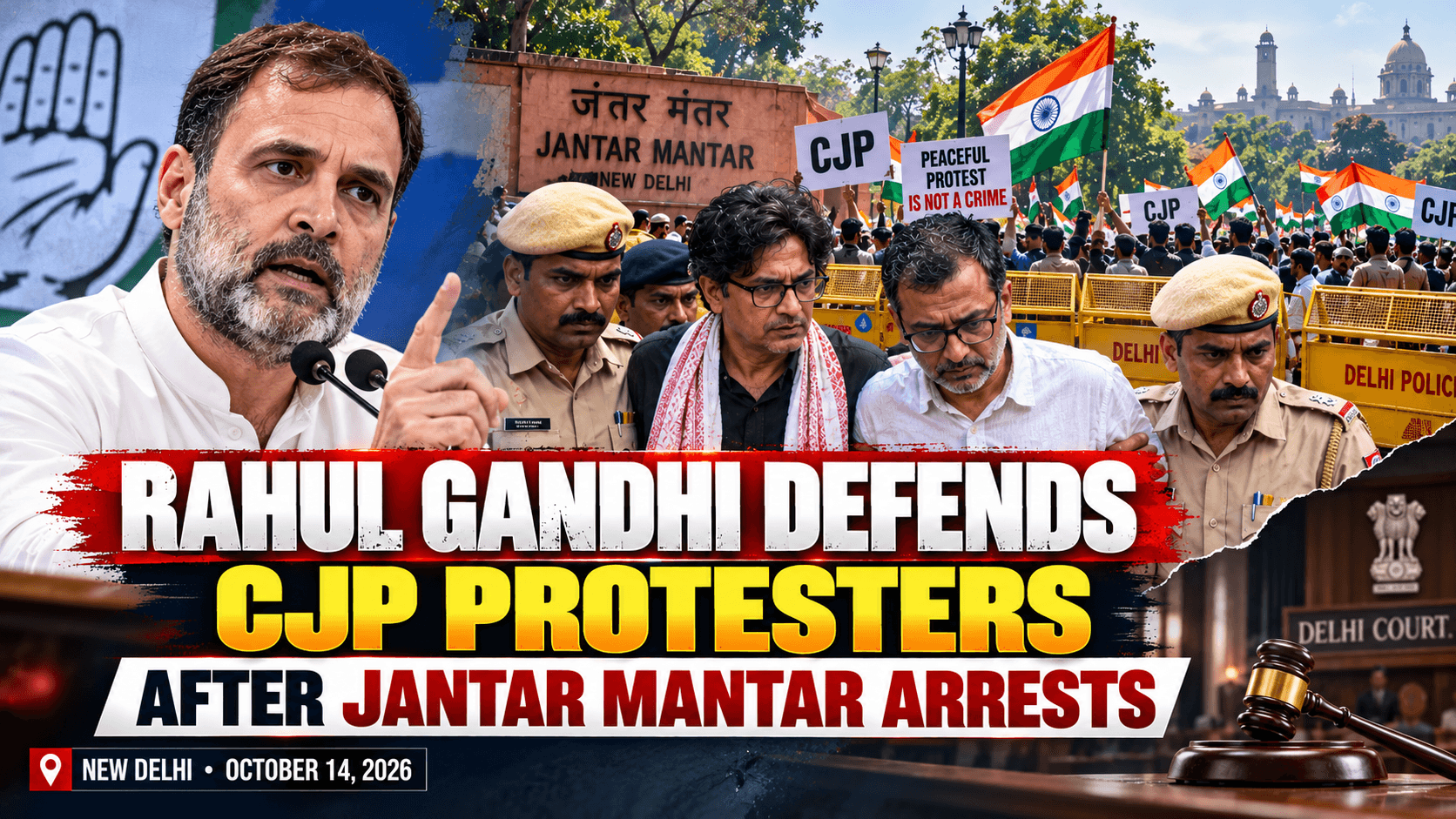
Rahul Gandhi Defends CJP Protesters After Jantar Mantar Arrests
Rahul Gandhi publicly condemned the arrest of Cockroach Janta Party leaders at Jantar Mantar, calling the detention of peaceful flag‑waving protesters a cowardly act. His statement signals a new alignment of opposition forces against the Centre’s decision to de‑notify the historic protest site.
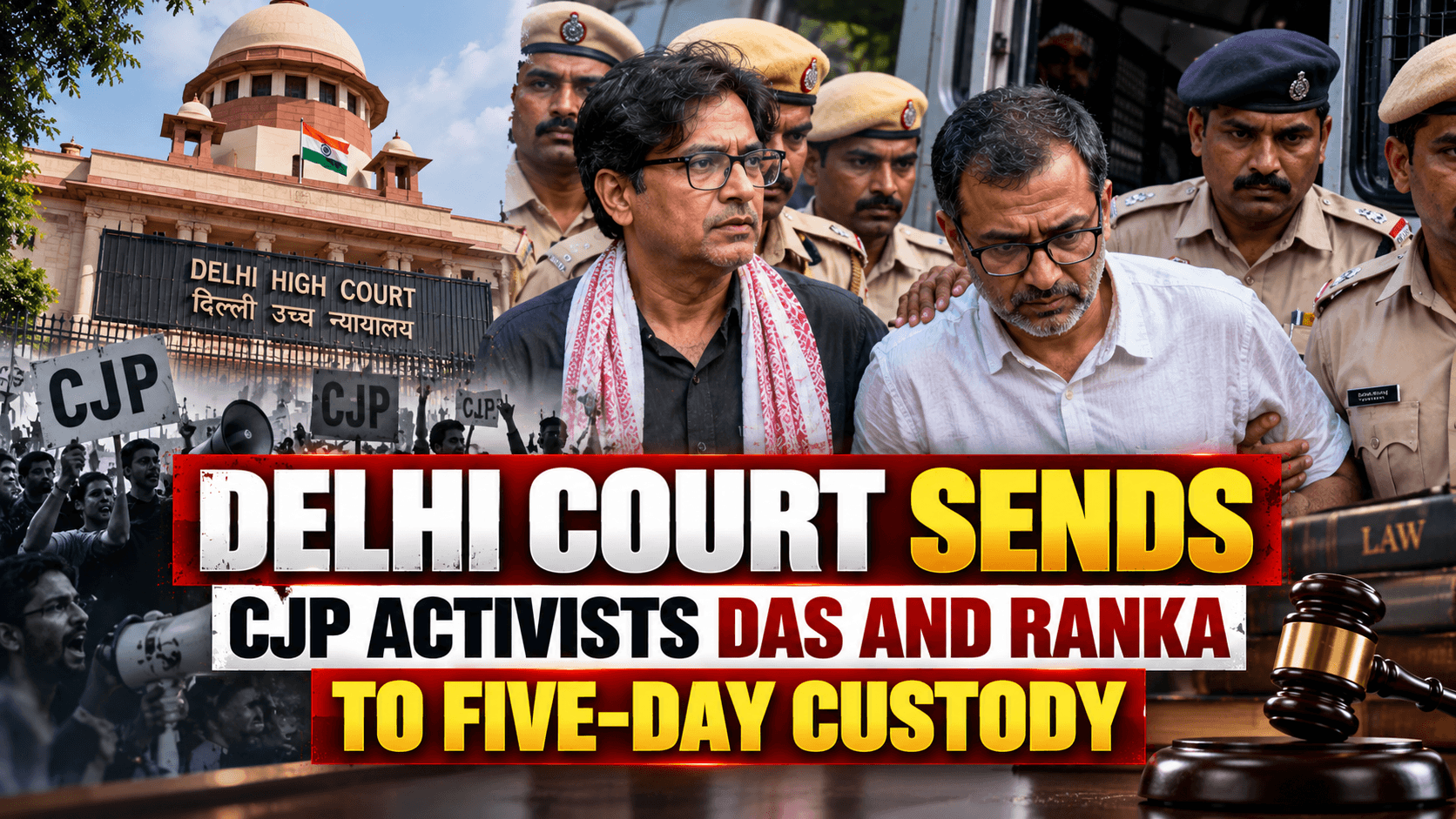
Delhi Court Sends CJP Activists Das and Ranka to Five‑Day Custody
The Special Executive Magistrate court ordered a five‑day judicial custody for CJP leaders Saurav Das and Ashutosh Ranka after they entered the barred Jantar Mantar area. The ruling follows a wave of protests over alleged irregularities in the election roll revision process.
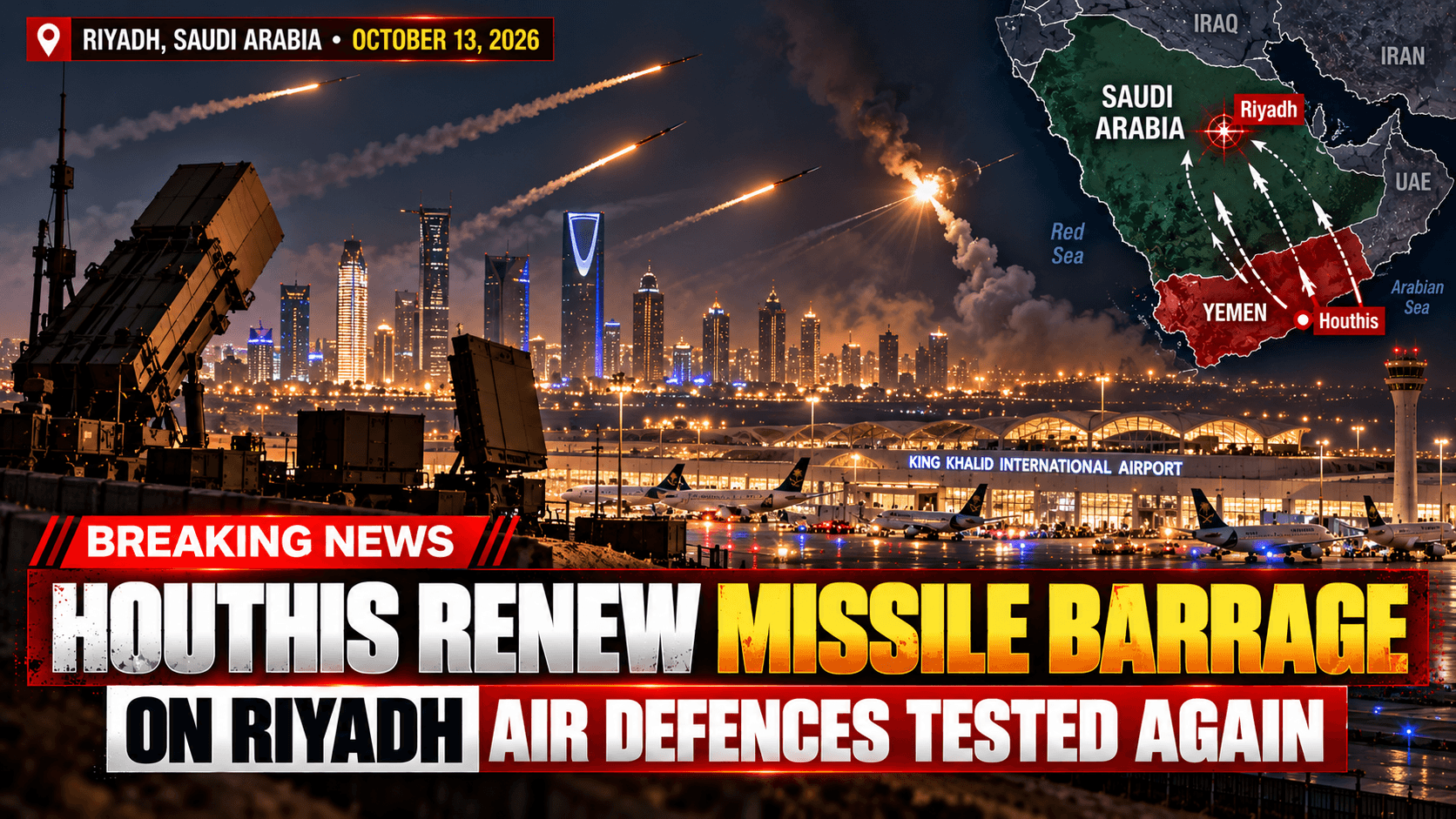
Houthis Renew Missile Barrage on Riyadh, Saudi Air Defences Tested Again
For the third consecutive day the Yemeni Houthi movement launched ballistic missiles toward Saudi Arabia’s capital, prompting interceptions and a renewed shutdown of Riyadh’s main airport. The attacks have strained Saudi air defences, disrupted international flights and raised regional security concerns.
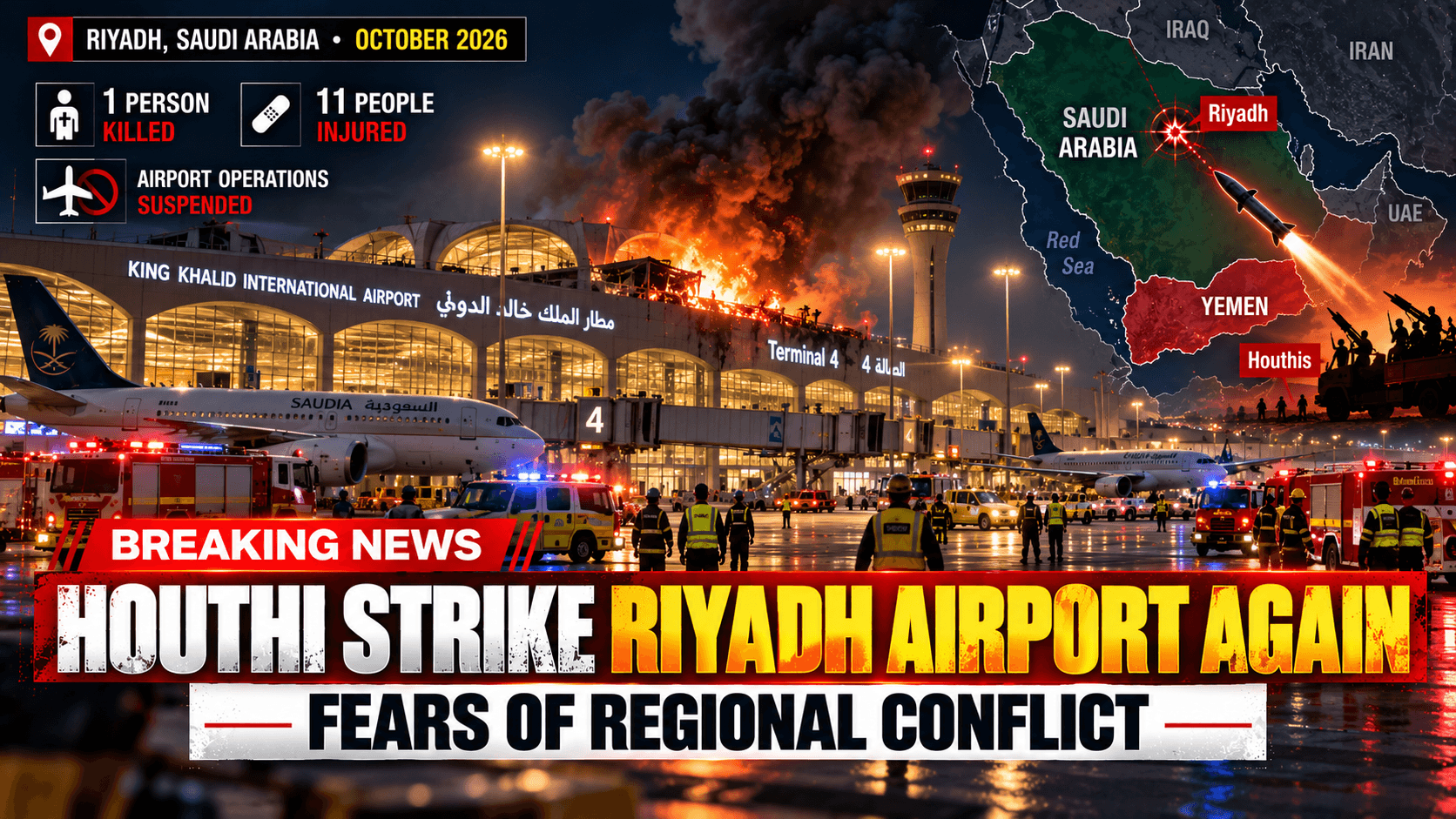
Houthis Strike Riyadh Airport Again, Raising Fears of Regional Conflict
The Houthi movement launched a fresh missile assault on King Khalid International Airport, killing dozens and wounding hundreds. Saudi Arabia vows a strong response as regional tensions rise.