
US House Passes Tough Russia Sanctions, Threatens 100% Tariffs on India
The US House has cleared a bill that tightens sanctions on nations dealing with Russia, including a clause that could impose up to 100% tariffs on Indian imports tied to Russian energy. The proposal adds fresh pressure on Indo‑US trade talks and may force New Delhi to reassess its oil purchases from Moscow.
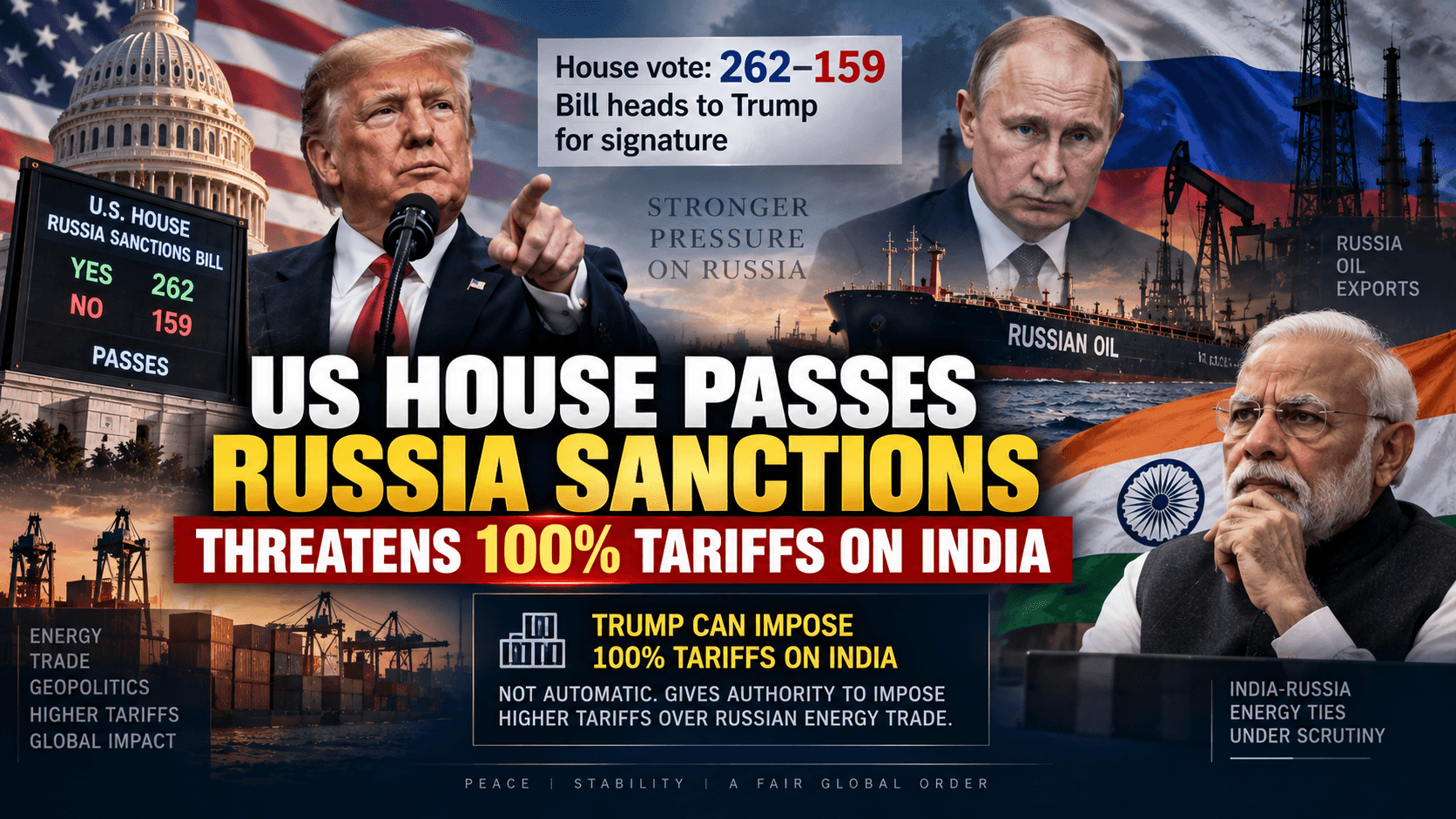
House Moves Forward with a New Sanctions Framework
The United States House of Representatives recently voted in favor of a legislative package designed to amplify economic pressure on Russia and on any country that maintains substantial commercial links with Moscow. While the measure is part of a larger strategy to curb Russian aggression, a striking feature of the bill is its provision allowing the United States to levy tariffs as high as 100% on products from nations that import Russian energy.
Why India Has Become a Focal Point
India’s energy strategy has long involved buying crude oil and refined products from Russia, a relationship that has deepened over the past few years as New Delhi seeks diversified supply sources and favorable pricing. This dependence has placed India squarely in the crosshairs of Washington’s new sanctions blueprint, prompting analysts to question how the two largest democracies will navigate the emerging conflict of interest.
Energy Trade as a Diplomatic Lever
During recent bilateral meetings, American officials have repeatedly urged India to reduce its reliance on Russian hydrocarbons, arguing that continued purchases undermine the broader sanctions regime. In response, Indian diplomats have highlighted the country’s energy security concerns and the limited alternatives available at comparable costs.
What a 100% Tariff Could Mean for Indian Stakeholders
Should the United States activate the maximum‑tariff clause, the ripple effects would be felt across several sectors of the Indian economy. Below are the most immediate areas of impact.
1. Exporters Face a Price Shock
U.S. import duties at the 100% level would effectively double the price of Indian goods entering the American market. Export‑oriented industries—from textiles to information technology hardware—could see their competitive edge erode, forcing companies to either absorb the cost or withdraw from the market altogether.
2. Trade Negotiations Could Stumble
The tariff threat adds another layer of complexity to the ongoing Indo‑U.S. trade dialogue. Both sides have been working toward a comprehensive partnership that includes technology transfer, defense cooperation, and market access. Introducing a punitive tariff on a key sector could stall progress on unrelated issues, as negotiators scramble to mitigate collateral damage.
3. Energy Procurement Decisions Under Scrutiny
India’s continued intake of Russian oil may become a bargaining chip in Washington’s diplomatic playbook. Higher tariffs on Indian products could pressure New Delhi to cut back on Russian fuel purchases, potentially prompting a shift toward alternative suppliers such as the United Arab Emirates, Saudi Arabia, or domestic sources.
4. Market Volatility and Investor Sentiment
Uncertainty surrounding the final shape of the sanctions bill may trigger fluctuations in currency markets, commodity prices, and stock indices linked to export‑heavy companies. Investors will likely monitor announcements from the U.S. Treasury and the White House for clues about the bill’s implementation timeline.
Next Steps in the Legislative Process
Although the House has approved the sanctions proposal, it has not yet become law. The bill must clear the Senate, where bipartisan concerns about trade repercussions and geopolitical stability could lead to amendments or delays. Even after congressional approval, the President’s administration would need to issue specific regulations to enforce the tariff provisions.
In parallel, Indian policymakers are expected to formulate a diplomatic response, possibly seeking exemptions, negotiating waivers, or outlining a phased reduction in Russian energy imports to appease U.S. demands.
Conclusion: A Delicate Balance Between Sanctions and Trade
The passage of the Russia sanctions bill in the U.S. House shines a spotlight on the fragile equilibrium that underpins Indo‑U.S. economic ties. While the prospect of a 100% tariff is still speculative pending further legislative action, its mere inclusion in the draft legislation signals a willingness by Washington to use trade levers to advance foreign‑policy objectives. Companies operating across the two markets should prepare contingency plans, and both governments will need to engage in nuanced dialogue to avoid unnecessary disruption to bilateral commerce.
Latest Posts

Teen Arrested After Faulty Rifle Foils Hindu Temple Shooting Plot
A 19‑year‑old Taco Bell employee in Illinois was detained after a jammed rifle prevented a planned mass shooting at a Hindu temple. Police recovered weapons, extremist material, and a manifesto outlining white‑supremacist motives.
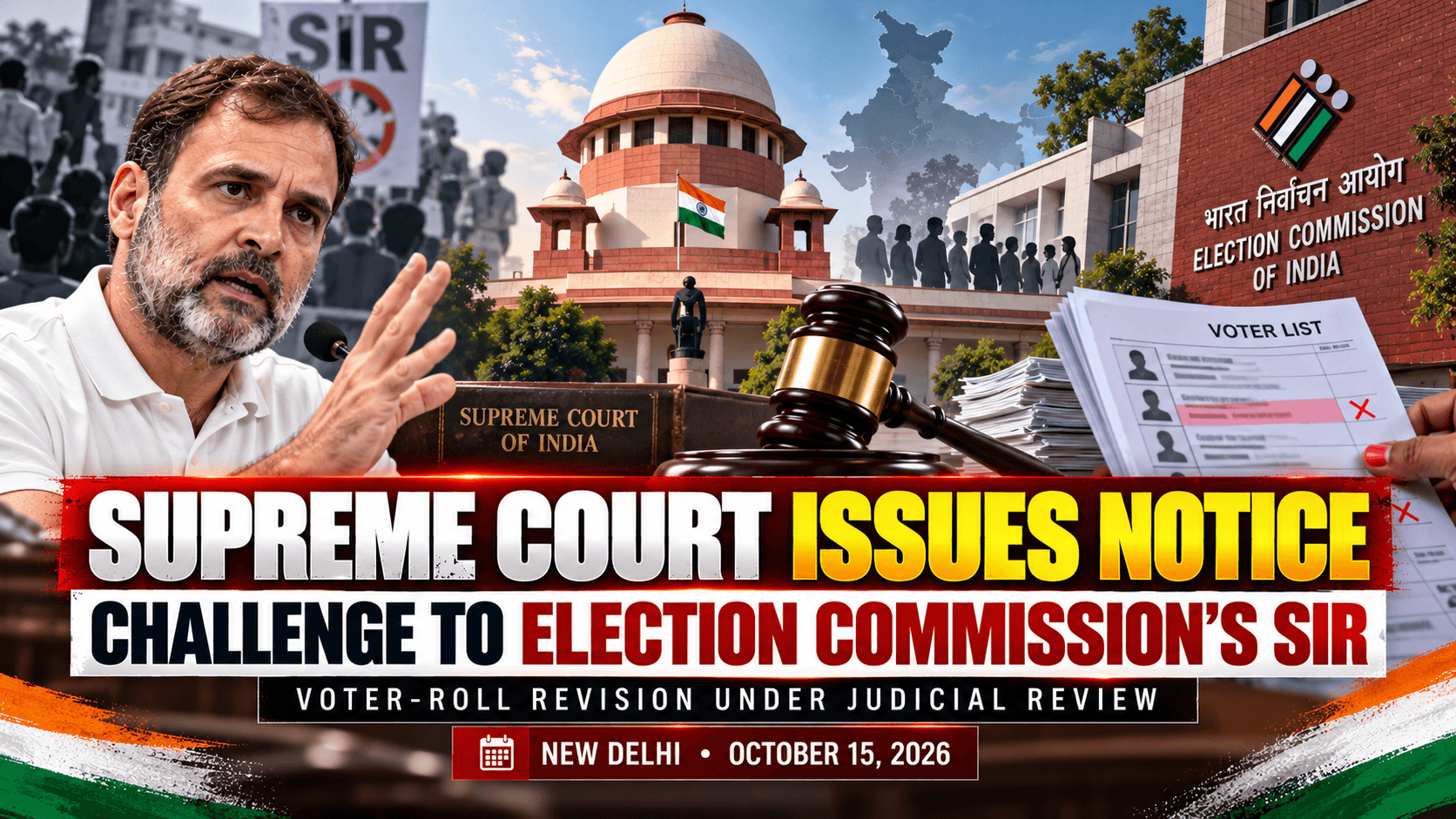
Supreme Court Notices Challenge to Election Commission’s SIR
The Supreme Court has issued a notice on a petition filed by Rahul Gandhi and other opposition figures contesting the Election Commission’s Special Intensive Revision of voter lists. The court’s order seeks explanations from the petitioners and may pause the SIR process pending further review.
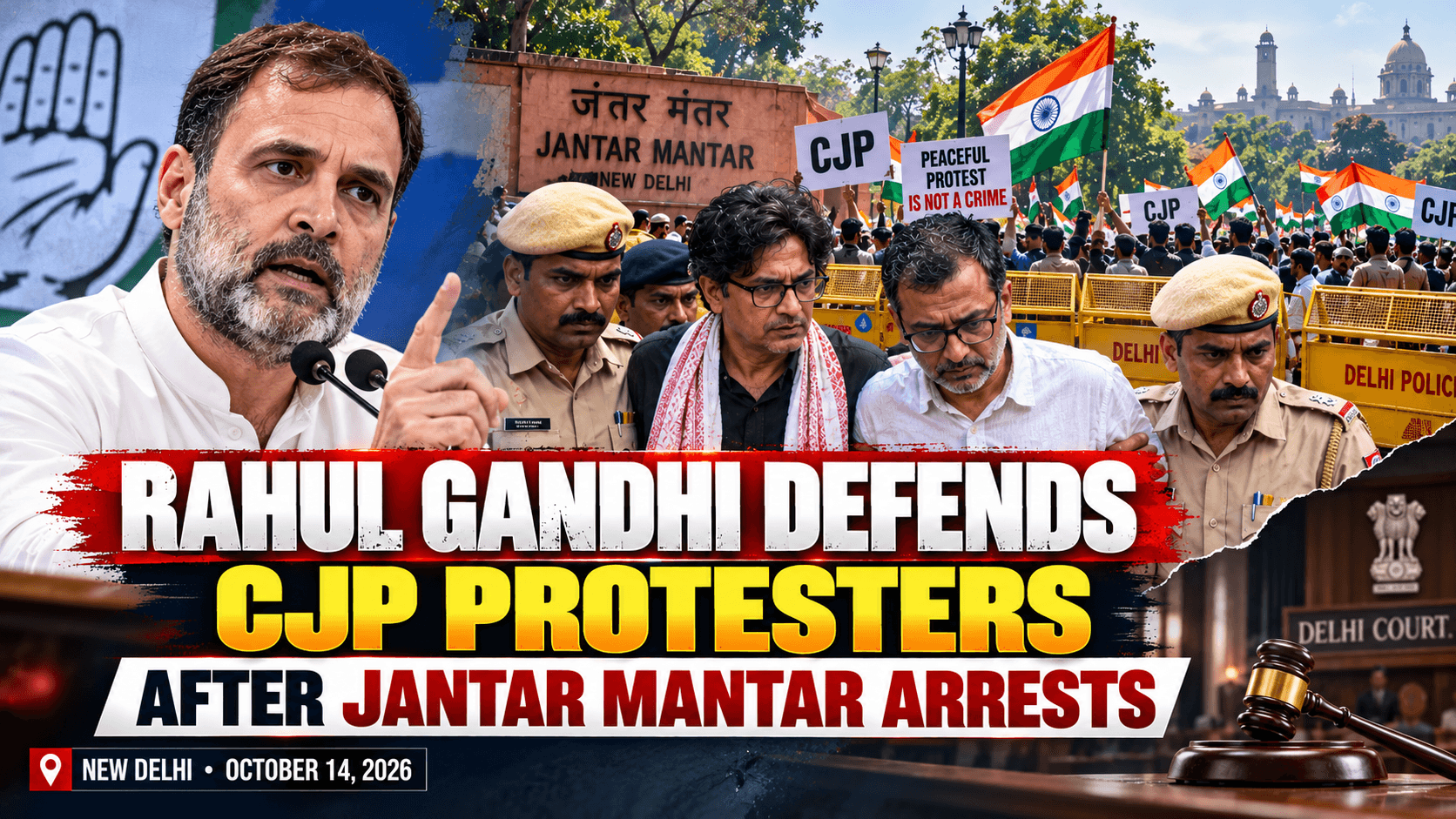
Rahul Gandhi Defends CJP Protesters After Jantar Mantar Arrests
Rahul Gandhi publicly condemned the arrest of Cockroach Janta Party leaders at Jantar Mantar, calling the detention of peaceful flag‑waving protesters a cowardly act. His statement signals a new alignment of opposition forces against the Centre’s decision to de‑notify the historic protest site.
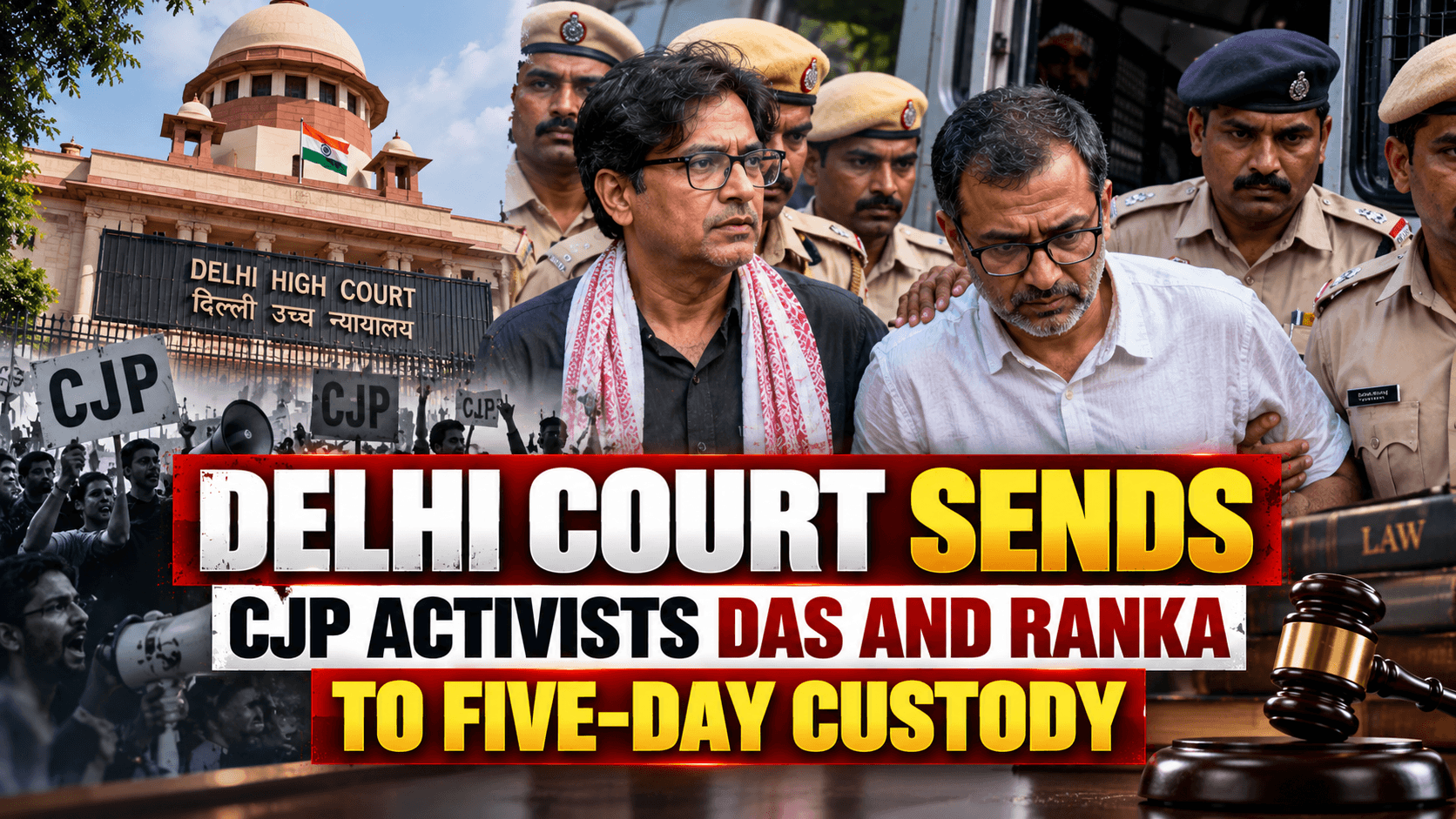
Delhi Court Sends CJP Activists Das and Ranka to Five‑Day Custody
The Special Executive Magistrate court ordered a five‑day judicial custody for CJP leaders Saurav Das and Ashutosh Ranka after they entered the barred Jantar Mantar area. The ruling follows a wave of protests over alleged irregularities in the election roll revision process.
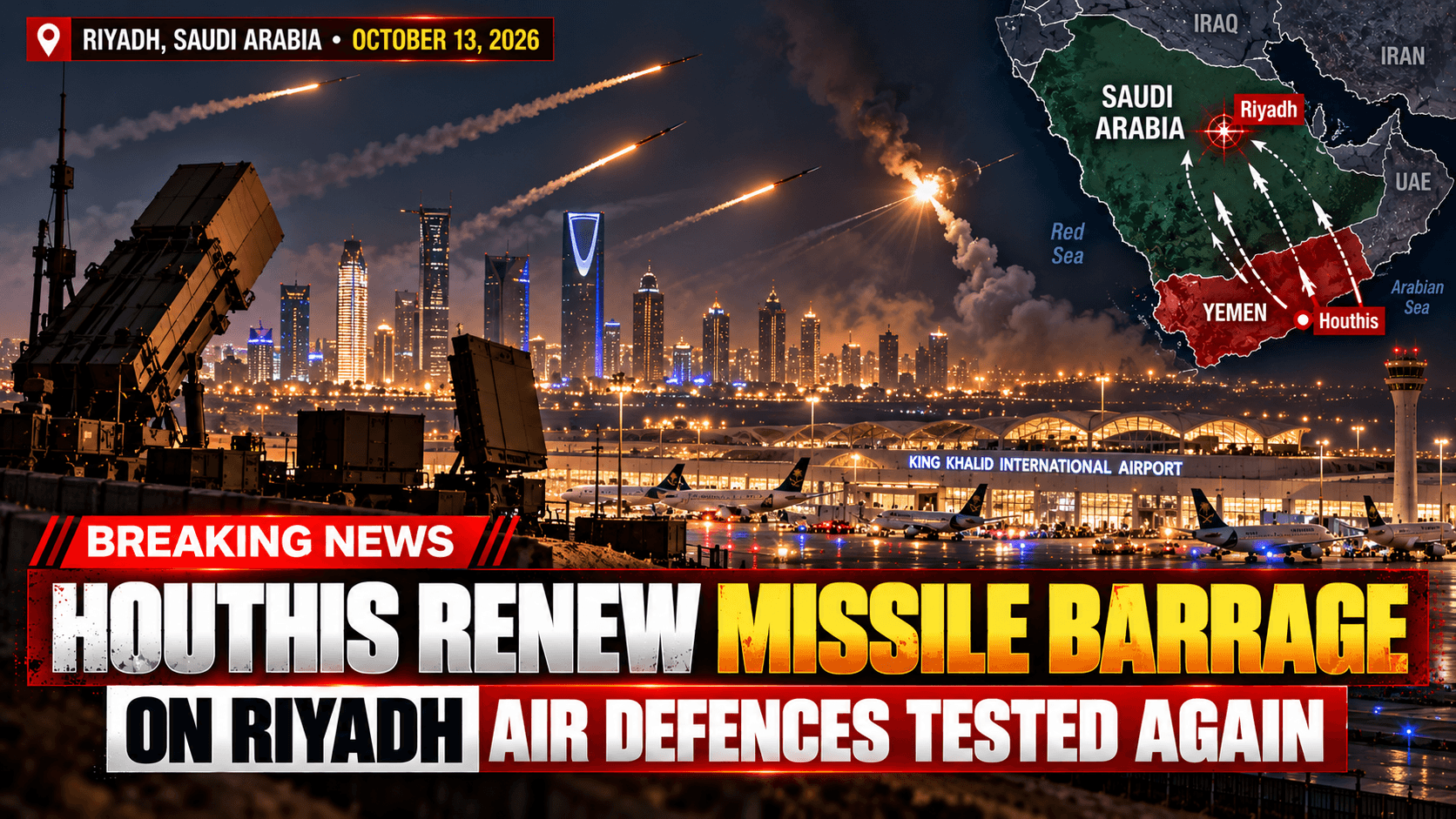
Houthis Renew Missile Barrage on Riyadh, Saudi Air Defences Tested Again
For the third consecutive day the Yemeni Houthi movement launched ballistic missiles toward Saudi Arabia’s capital, prompting interceptions and a renewed shutdown of Riyadh’s main airport. The attacks have strained Saudi air defences, disrupted international flights and raised regional security concerns.
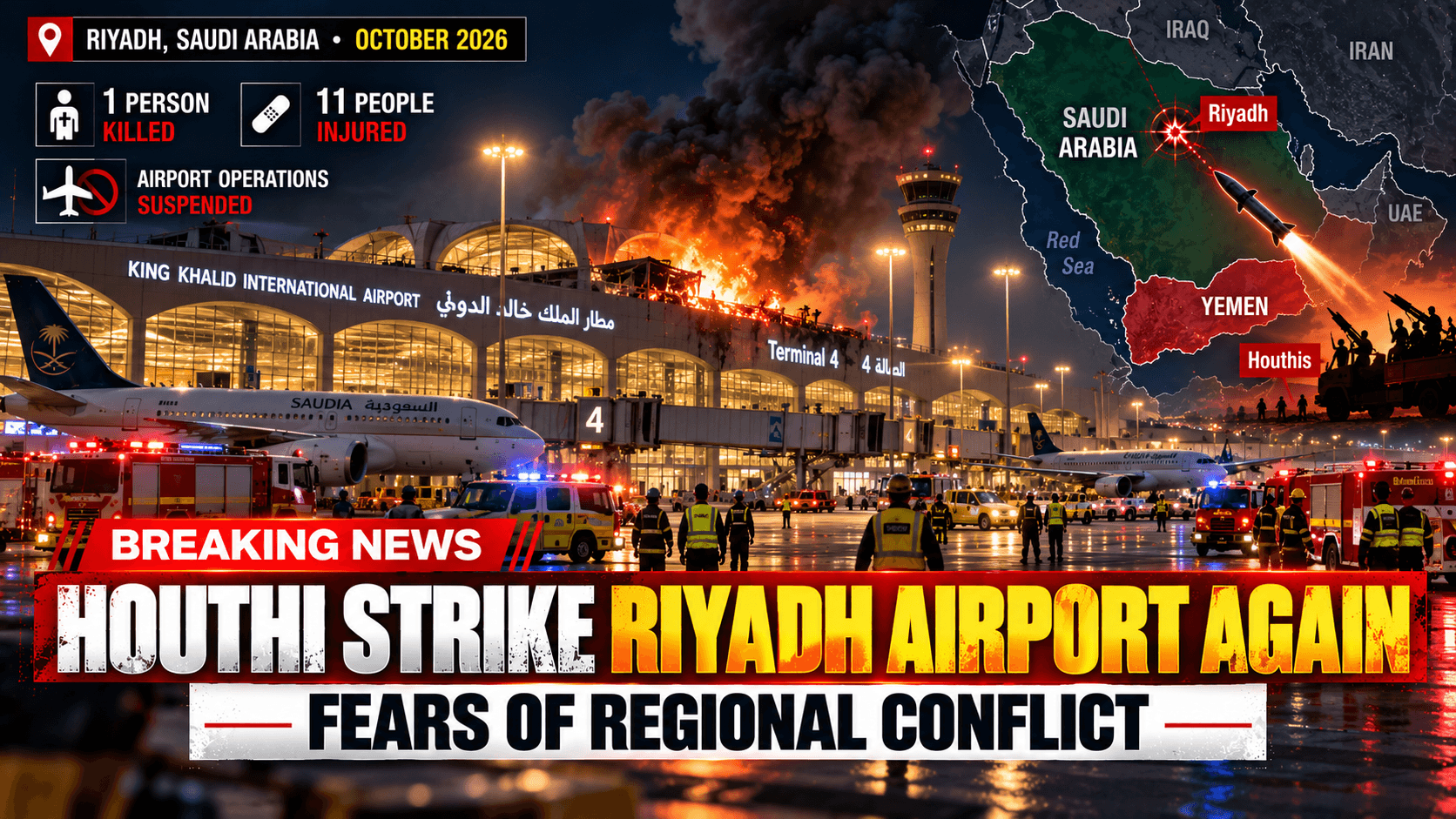
Houthis Strike Riyadh Airport Again, Raising Fears of Regional Conflict
The Houthi movement launched a fresh missile assault on King Khalid International Airport, killing dozens and wounding hundreds. Saudi Arabia vows a strong response as regional tensions rise.