
US‑Iran Mediated Talks at UNGA Aim to End War and Reopen Hormuz
On the sidelines of the United Nations General Assembly, U.S. and Iranian delegations exchanged messages through mediators, seeking a pathway to cease hostilities and restore navigation through the Strait of Hormuz. Both sides cited progress, while regional actors pushed for broader de‑escalation.
During the latest United Nations General Assembly in New York, a series of indirect conversations between American and Iranian officials unfolded under the watch of third‑party mediators. The core purpose of these exchanges was to explore a cease‑fire arrangement and to discuss the potential reopening of the strategically vital Strait of Hormuz.
How the talks were conducted
U.S. Special Envoy Steve Witkoff described the day as a marathon of shuttle diplomacy, with mediators moving back and forth between the two delegations. He posted on X that the teams "engaged in lengthy talks through mediators who shuttled between the sides throughout the day," and that a "round of discussions" had been completed that appeared "constructive and promising."
President Donald Trump, however, offered a more direct narrative, asserting that Witkoff and former senior adviser Jared Kushner held a three‑hour meeting with Iranian officials. He praised the encounter as "very good" and "very productive," and hinted that a substantial momentum was building toward an eventual settlement.
Subsequent clarification from the White House confirmed that President Trump was not physically present at the meeting; instead, the U.S. was represented by Witkoff and Kushner.
Iranian perspective and demands
State‑run media in Tehran reported that the Iranian delegation, led by Foreign Minister Abbas Araghchi, met with Witkoff after a prolonged period without direct contact. The Iranian side framed the meeting as a response to a U.S. request to convey Tehran's conditions, particularly the desire to reopen the Strait of Hormuz.
According to Iranian officials, the principal prerequisites for any diplomatic breakthrough include:
Lifting the U.S. naval blockade that has constrained Iranian shipping.
Unfreezing Iranian assets that have been held under sanctions.
Ending what Tehran terms its "resistance" operations against perceived U.S. aggression.
A senior Iranian security source hinted that, should Washington meet these conditions, there could be "room for further diplomatic engagement." This sentiment aligns with a statement from an unnamed Iranian official to Reuters, who described the UNGA gathering as a "golden opportunity" for Washington to return to the negotiating table.
Concrete proposals
The same official said Iran had already submitted its latest proposal to the United States via the mediators on September 16. The document allegedly outlines the steps needed to halt hostilities and outlines a timeline for reopening Hormuz within a week, provided that the U.S. eases its military pressure and lifts the maritime blockade.
Regional actors weigh in
Beyond the bilateral talks, several Gulf and neighboring states have taken an active role in encouraging de‑escalation. Qatar, for instance, announced collaboration with Pakistan to ease tensions, safeguard free navigation through Hormuz, and promote overall stability in the region. Qatar’s Prime Minister and Foreign Minister Sheikh Mohammed bin Abdulrahman bin Jassim Al Thani met with Araghchi in New York, discussing ways to create a conducive environment for dialogue.
Oman, another Gulf neighbor, has historically engaged in "maritime diplomacy" aimed at ensuring the safe passage of vessels through the strait, and its officials have been in contact with Tehran about possible navigation arrangements.
During the same UNGA session, President Trump held multilateral discussions with leaders from the Gulf Cooperation Council, Turkey, Jordan, Syria, and Iraq, all of whom expressed concerns about Iranian influence and the broader security implications of a prolonged conflict.
Qatari security framework
Reuters reported that Qatar has drafted a proposal for a common security framework that would involve Iran and Gulf states. While the details have not been made public, a regional source indicated that Tehran is currently reviewing the document.
Trump’s dual messaging
In his address to the UNGA, President Trump blended optimism about a potential deal with a stark warning. He framed the situation as a "big decision" between offering Iran a pathway to rebuild its economy or moving toward "annihilating the Islamic Republic." He also reminded the audience that the United States had previously offered "full economic cooperation" in exchange for Iran ending its nuclear program and ceasing activities the U.S. labels as support for terrorism.
The Iranian military responded sharply, describing Trump’s threats as indicative of "strategic weakness" and asserting that Iran stood ready to deliver "more severe, crushing, and unpredictable blows" should attacks continue.
Progress and lingering gaps
U.S. officials have repeatedly signaled that negotiations are moving forward, especially after the June memorandum of understanding collapsed. In early August, President Trump claimed that the parties had agreed on key parameters for a future pact, and later characterized discussions about Hormuz as "moving along nicely," though he acknowledged that substantial differences remained.
As of now, Tehran continues to condition the reopening of the Strait of Hormuz on a reduction of U.S. military pressure and the removal of the naval blockade. Meanwhile, Witkoff affirmed that mediators would persist in their shuttle efforts following Tuesday’s exchanges.
Outlook
The convergence of indirect talks, regional diplomatic initiatives, and high‑level statements from both Washington and Tehran suggests a fragile but tangible momentum toward conflict resolution. Whether the proposed conditions can be reconciled, and if the Strait of Hormuz can indeed be reopened within the stated timeframe, will depend on the willingness of both sides to translate diplomatic language into concrete actions.
For now, the UNGA stage serves as a platform where competing narratives intersect, offering a rare glimpse of possible compromise amid a protracted standoff that has reshaped Middle Eastern geopolitics.
Latest Posts
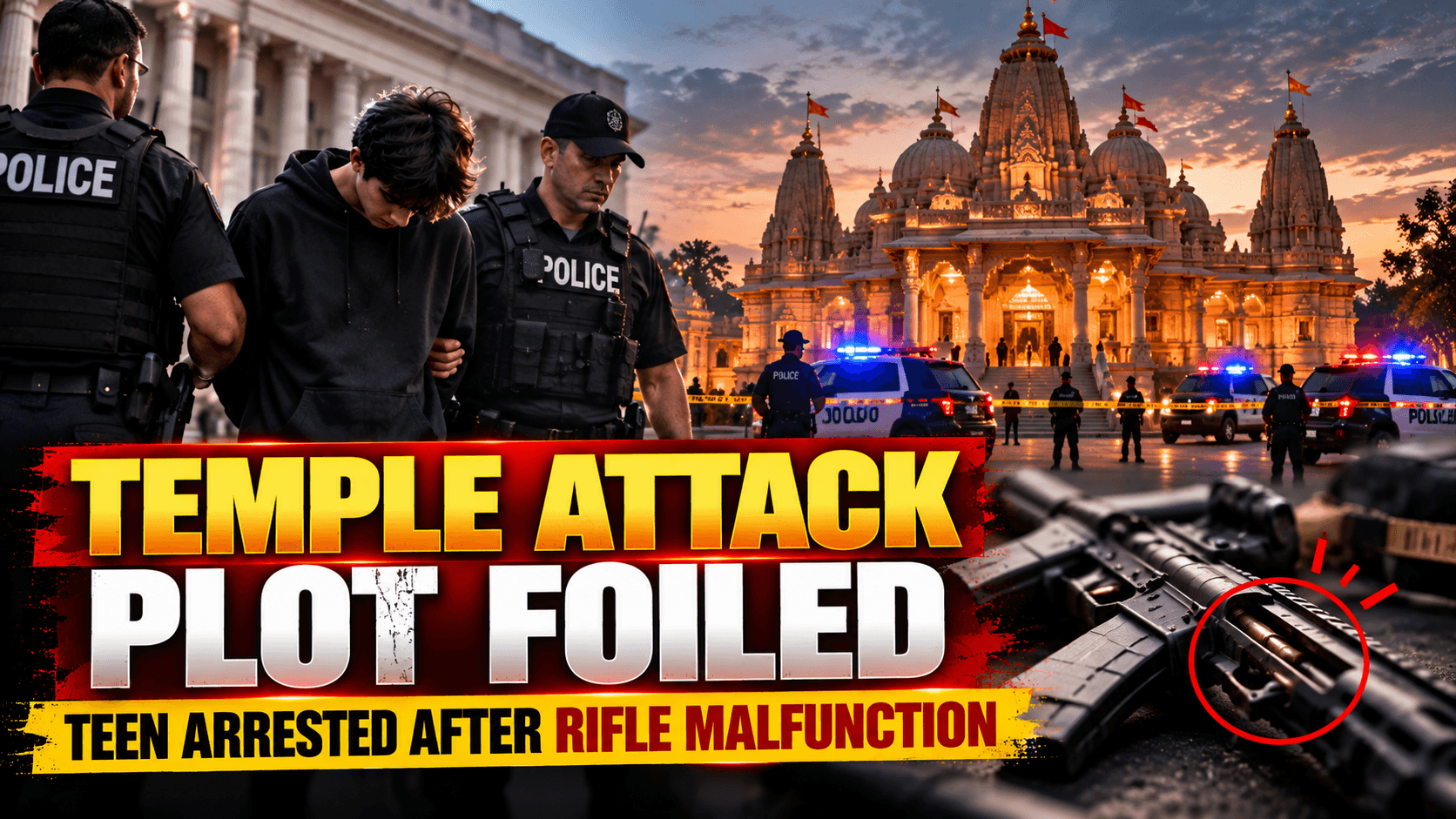
Teen Arrested After Faulty Rifle Foils Hindu Temple Shooting Plot
A 19‑year‑old Taco Bell employee in Illinois was detained after a jammed rifle prevented a planned mass shooting at a Hindu temple. Police recovered weapons, extremist material, and a manifesto outlining white‑supremacist motives.
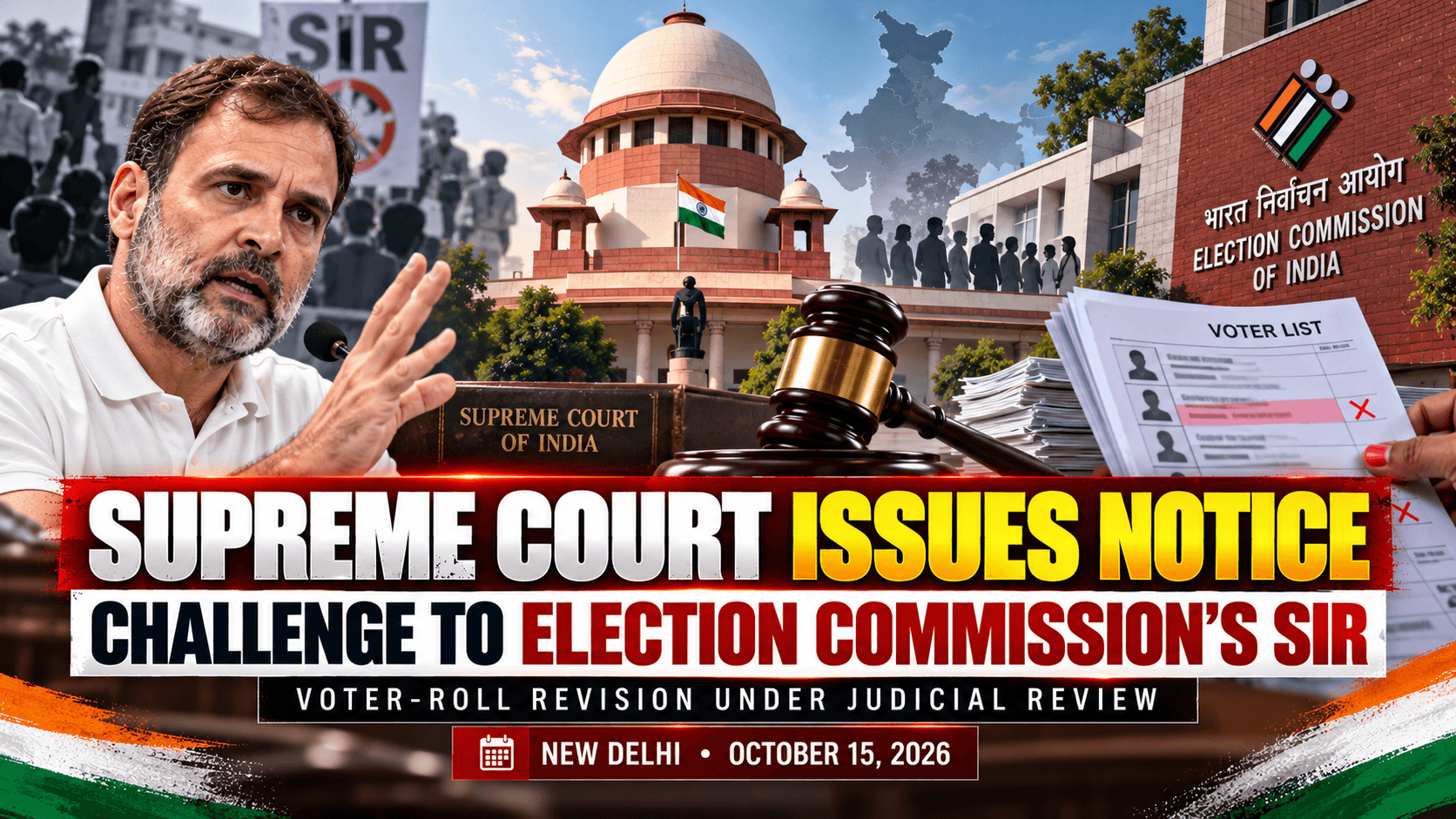
Supreme Court Notices Challenge to Election Commission’s SIR
The Supreme Court has issued a notice on a petition filed by Rahul Gandhi and other opposition figures contesting the Election Commission’s Special Intensive Revision of voter lists. The court’s order seeks explanations from the petitioners and may pause the SIR process pending further review.
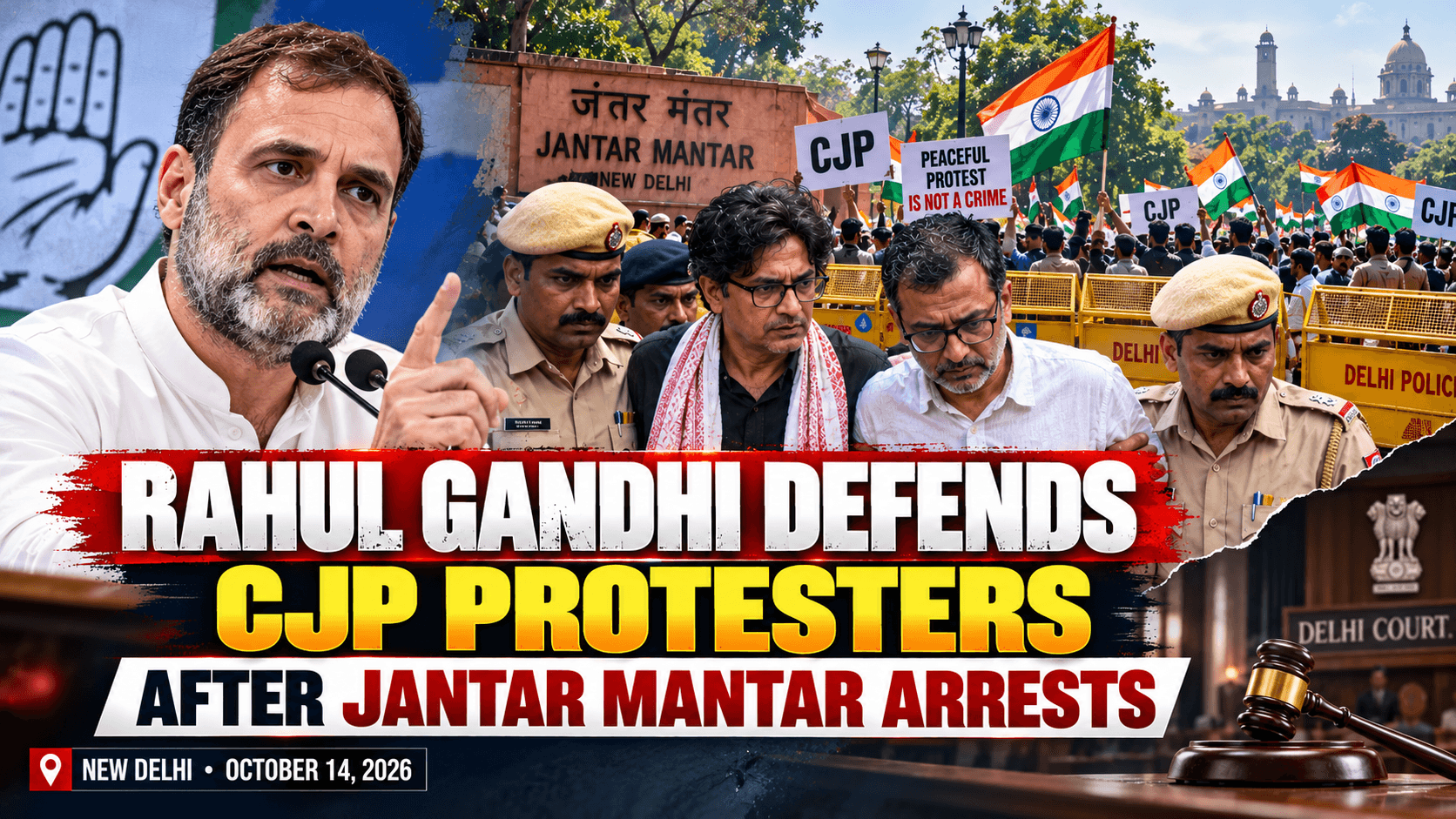
Rahul Gandhi Defends CJP Protesters After Jantar Mantar Arrests
Rahul Gandhi publicly condemned the arrest of Cockroach Janta Party leaders at Jantar Mantar, calling the detention of peaceful flag‑waving protesters a cowardly act. His statement signals a new alignment of opposition forces against the Centre’s decision to de‑notify the historic protest site.
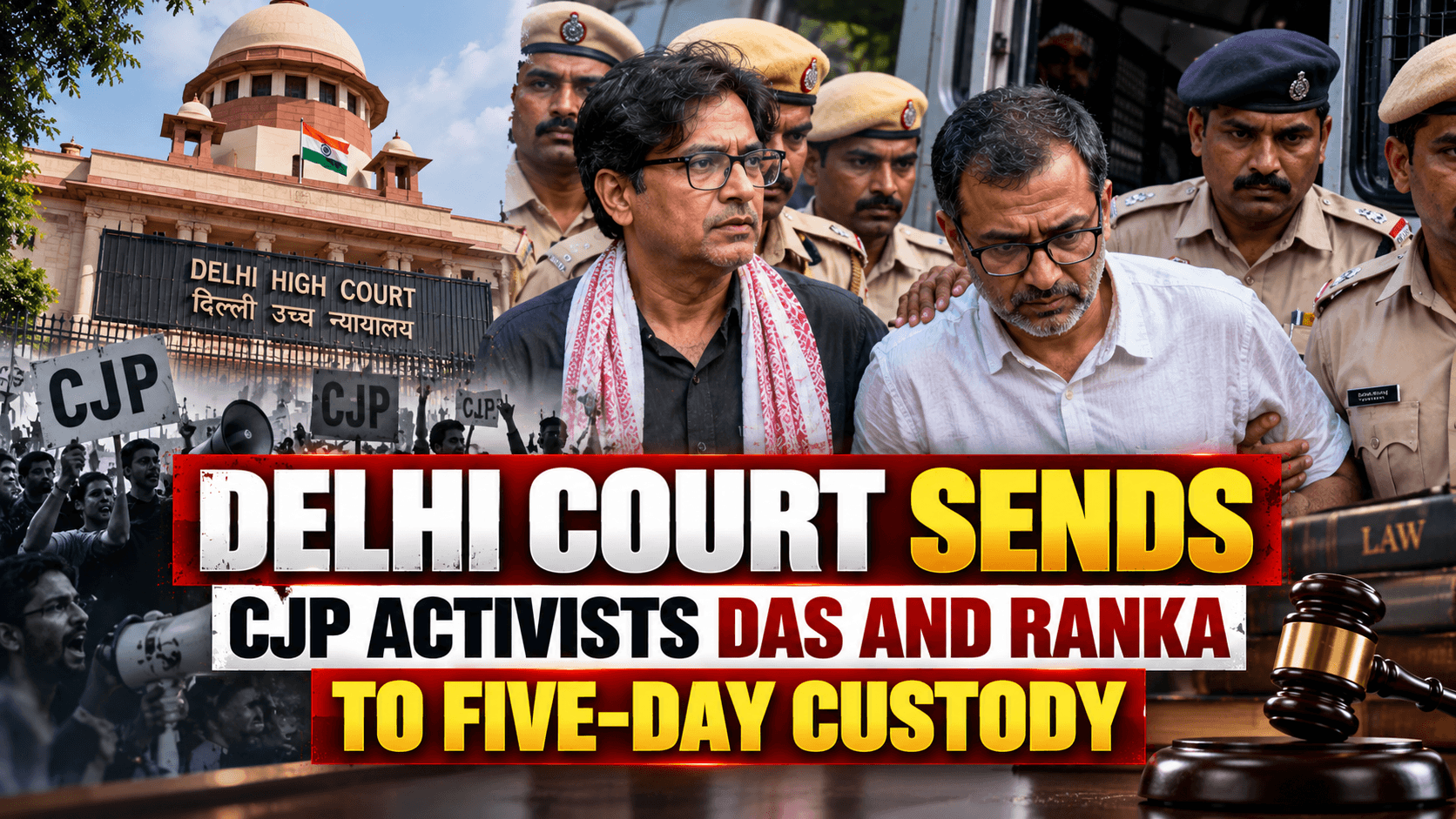
Delhi Court Sends CJP Activists Das and Ranka to Five‑Day Custody
The Special Executive Magistrate court ordered a five‑day judicial custody for CJP leaders Saurav Das and Ashutosh Ranka after they entered the barred Jantar Mantar area. The ruling follows a wave of protests over alleged irregularities in the election roll revision process.
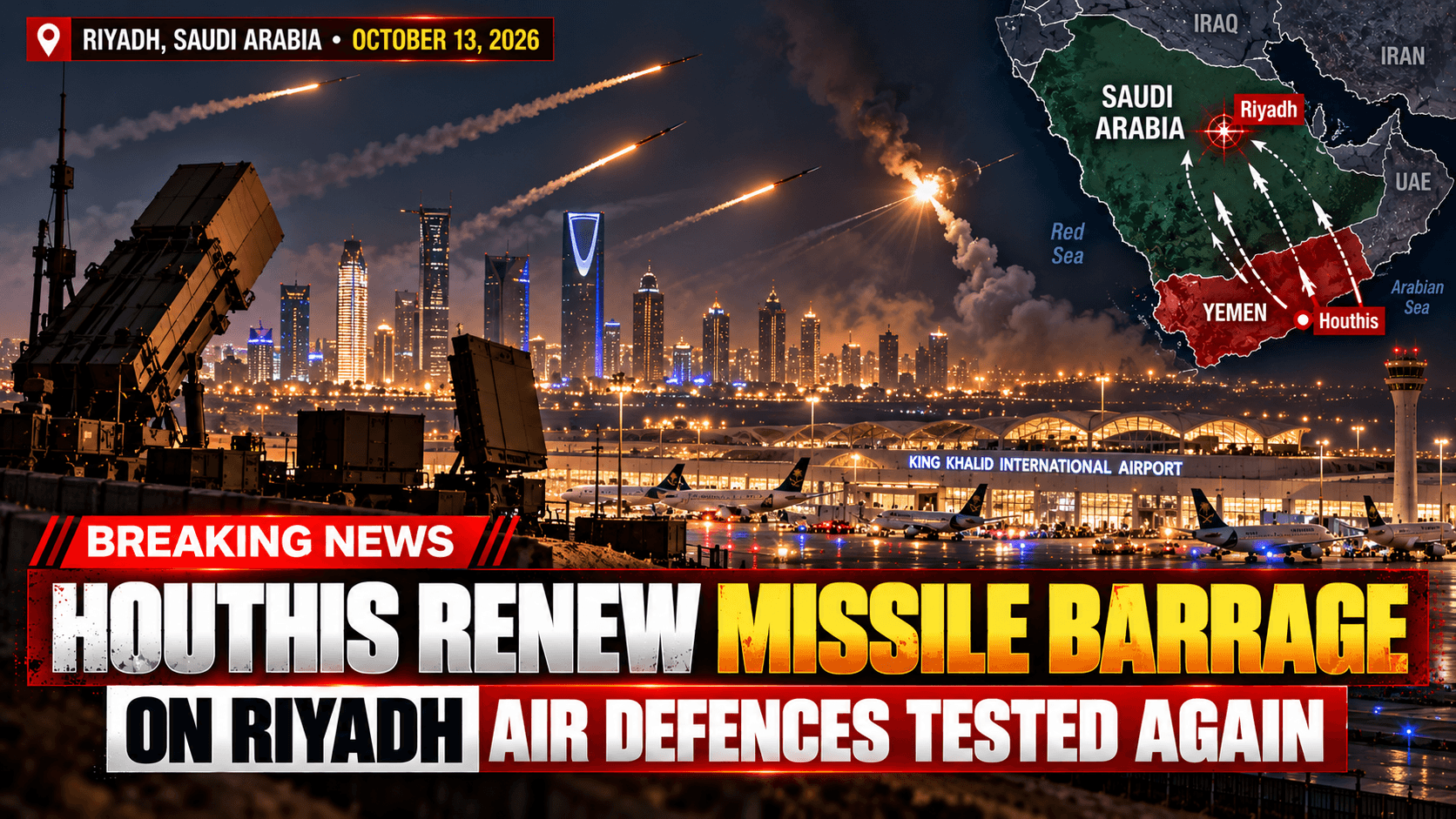
Houthis Renew Missile Barrage on Riyadh, Saudi Air Defences Tested Again
For the third consecutive day the Yemeni Houthi movement launched ballistic missiles toward Saudi Arabia’s capital, prompting interceptions and a renewed shutdown of Riyadh’s main airport. The attacks have strained Saudi air defences, disrupted international flights and raised regional security concerns.
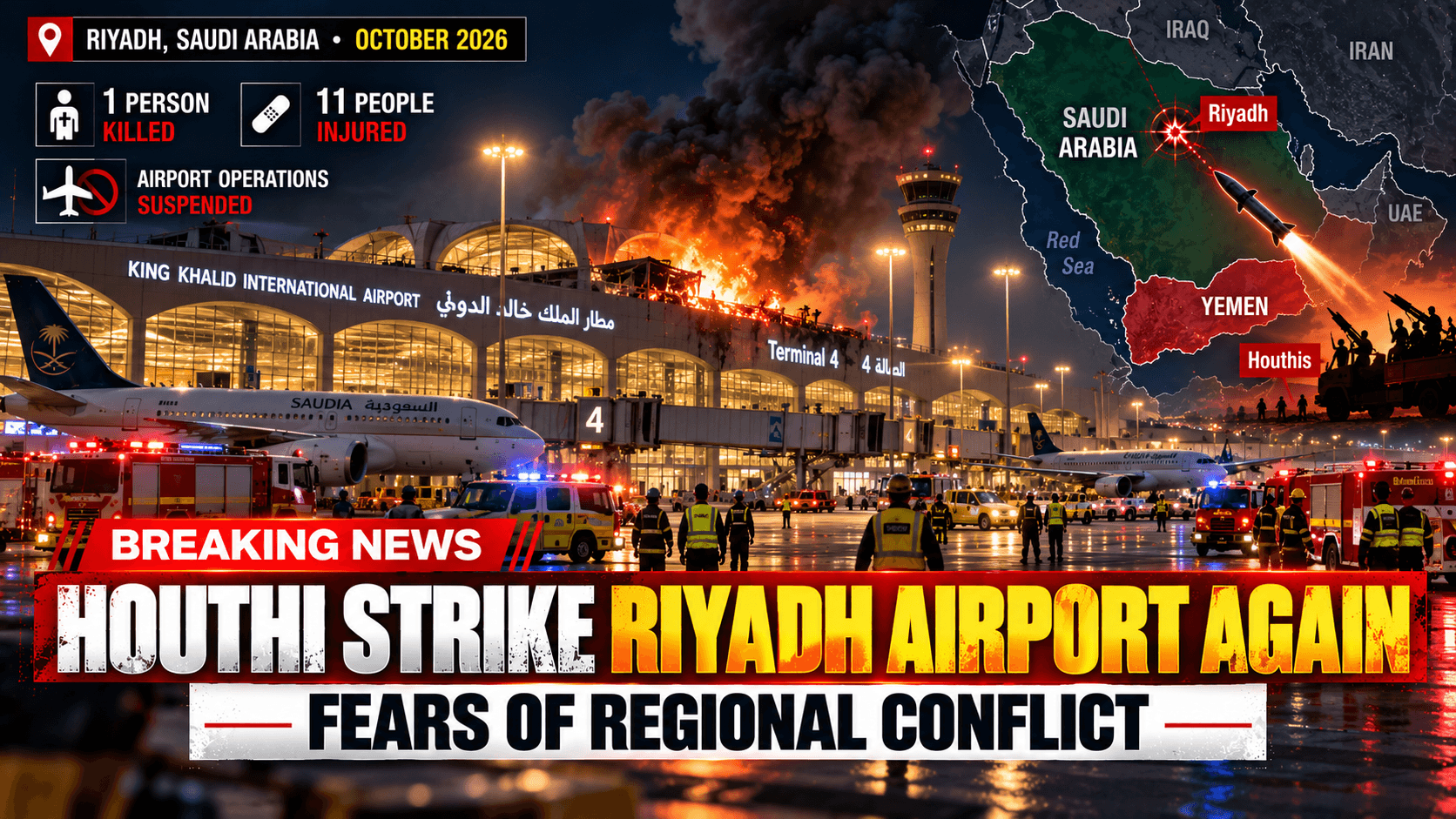
Houthis Strike Riyadh Airport Again, Raising Fears of Regional Conflict
The Houthi movement launched a fresh missile assault on King Khalid International Airport, killing dozens and wounding hundreds. Saudi Arabia vows a strong response as regional tensions rise.