
Zelensky Warns of Harsh Russian Winter if Energy Truce Falters
President Volodymyr Zelensky told the United Nations that a failure to secure a limited cease‑fire on energy targets could make the coming winter extremely painful for Russia. Kyiv is urging a swift diplomatic push to protect power infrastructure and Black Sea grain shipments before the cold sets in.
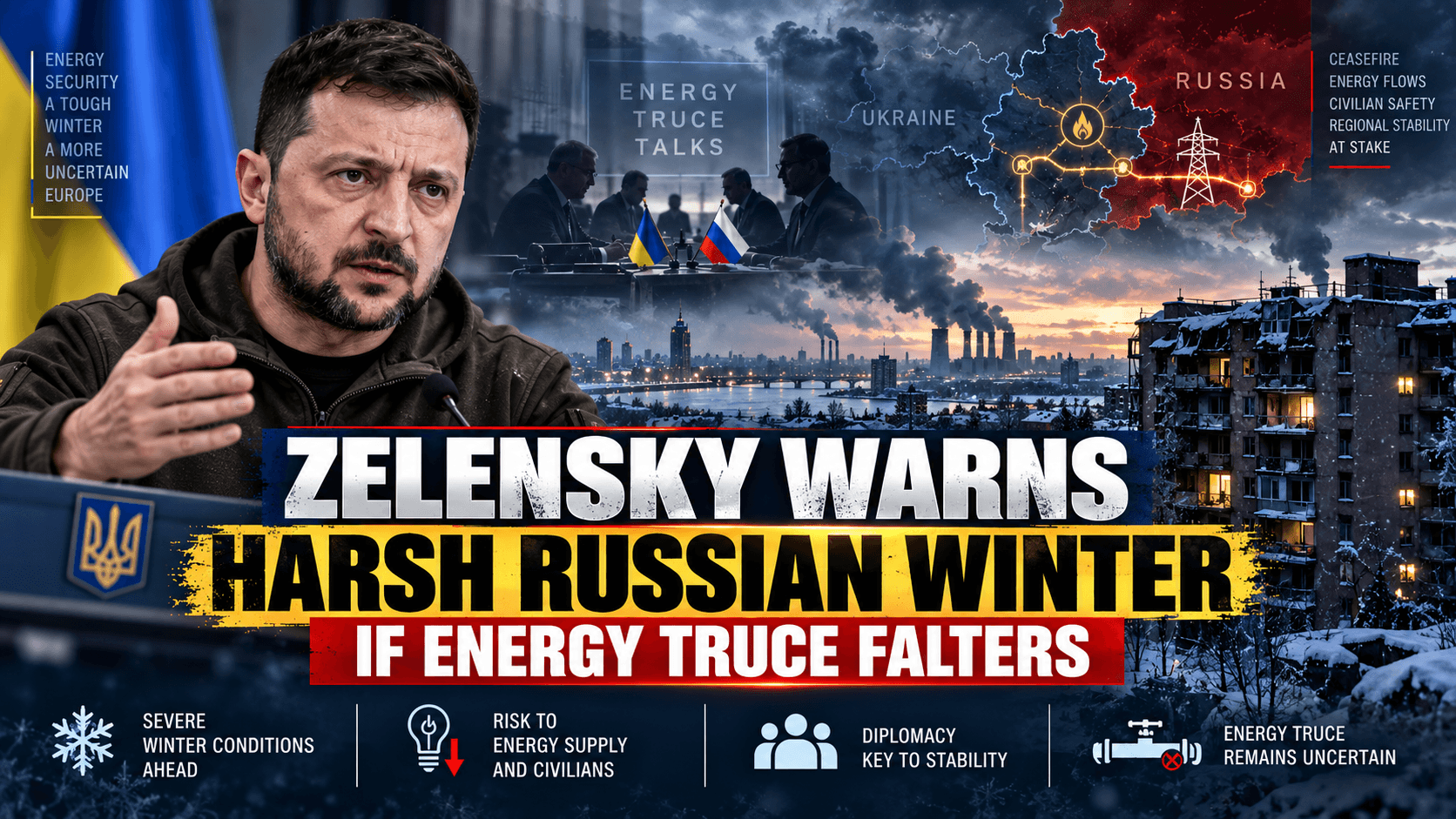
At the 81st United Nations General Assembly, Ukrainian President Volodymyr Zelensky delivered a stark warning: if Moscow does not agree to limit attacks on energy facilities, the approaching winter will inflict severe hardship on Russia as well as Ukraine.
Winter Threat Looms Over Russia
Zelensky emphasized that the Ukrainian people already anticipate a brutal cold season. He added that, in response to any continuation of Russian strikes on power plants, heating networks and fuel depots, Kyiv would have “no choice but to make winter painful for Russia too.” The statement underscored the growing strategic importance of energy infrastructure as the temperature drops.
Ukraine’s Push for an Energy Cease‑fire
In the weeks leading up to the UN meeting, Kyiv intensified diplomatic efforts to secure a limited truce covering energy assets and Black Sea shipping routes. The goal is to prevent renewed Russian bombardments of electricity grids and heating stations that could plunge millions of civilians into darkness and cold.
Ukrainian officials have proposed a framework that would pause hostilities around power substations, oil refineries, and key transport corridors for a defined period. The proposal also calls for the safe passage of grain shipments through the Black Sea, a lifeline for countries across Asia, the Middle East and Africa that depend on Ukrainian wheat.
Diplomatic Maneuvers in New York
During the General Assembly, Zelensky highlighted the need for “robust diplomacy” and suggested that Chinese President Xi Jinping could exert influence over Russian President Vladimir Putin. Although Xi was absent from the UN gathering, his upcoming White House visit was noted as a possible channel for persuasion.
U.S. President Donald Trump met with Zelensky the day before the speech, discussing a potential cease‑fire on energy‑related targets. Later, U.S. Secretary of State Marco Rubio and Russian Foreign Minister Sergei Lavrov held talks, after which Rubio reported that both sides expressed interest in a limited cease‑fire that would include grain and energy sites. Despite this, no concrete shift in Russia’s position was evident.
Russia’s Stance Remains Unchanged
Lavrov reiterated Moscow’s “unconditional commitment” to the objectives of its so‑called special military operation, a phrase used to describe the war in Ukraine. Addressing the 15‑member Security Council, he dismissed any notion of a temporary cessation of hostilities, claiming that Europe merely seeks a pause to supply Kyiv with more weapons.
Russia’s foreign ministry issued a statement reaffirming its refusal to entertain any pause that could be interpreted as a weakening of its campaign. This hardline stance leaves Ukraine’s diplomatic overtures hanging in the balance.
Potential Role of China and the United States
While China did not attend the UN sessions, analysts note that President Xi’s upcoming discussions with President Trump could create leverage. Zelensky hinted that Beijing’s influence over Moscow might be a decisive factor in persuading Russia to accept a limited truce.
The United States, meanwhile, continues to provide military aid to Kyiv and advocates for a diplomatic solution that safeguards civilian infrastructure. The interplay between U.S. pressure and possible Chinese mediation adds a complex layer to the negotiation dynamics.
Black Sea Shipping and Global Grain Concerns
Beyond energy, the Black Sea remains a critical arena. Zelensky announced Kyiv’s readiness to negotiate a maritime truce based on proposals from Egypt, India and Turkey. Such an agreement would enable safe grain exports, easing soaring global wheat prices that have strained food‑security‑already‑vulnerable regions.
Top wheat importers across Asia, the Middle East and Africa have faced supply shortages as Russian naval activity threatens the flow of Ukrainian grain. A limited cease‑fire that protects shipping lanes could stabilize markets and prevent further humanitarian crises.
Conclusion: Stakes Ahead of the Cold Season
The window for reaching a meaningful energy cease‑fire is narrowing as winter approaches. Zelensky’s warning at the United Nations reflects both a strategic calculation and a plea for international solidarity. Should Moscow reject any pause, both sides risk escalating damage to power infrastructure, potentially leaving millions without heat during the harshest months of the year.
As diplomatic channels continue to buzz—whether through the corridors of the UN, the White House, or behind closed doors in Beijing—the world watches closely. The outcome will not only shape the immediate humanitarian picture in Ukraine and neighboring states but also influence the broader geopolitical balance as the cold season sets in.
Latest Posts
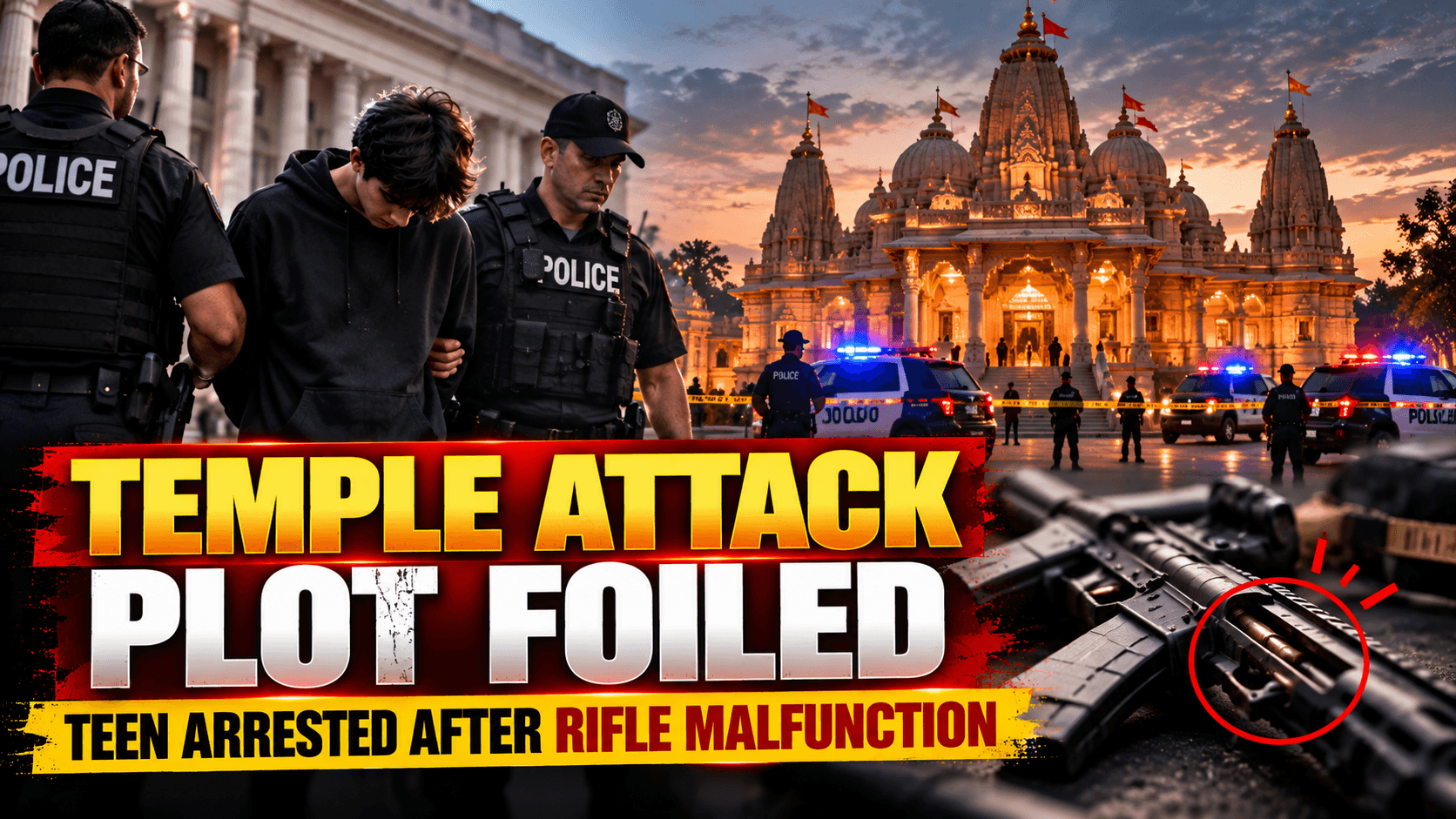
Teen Arrested After Faulty Rifle Foils Hindu Temple Shooting Plot
A 19‑year‑old Taco Bell employee in Illinois was detained after a jammed rifle prevented a planned mass shooting at a Hindu temple. Police recovered weapons, extremist material, and a manifesto outlining white‑supremacist motives.
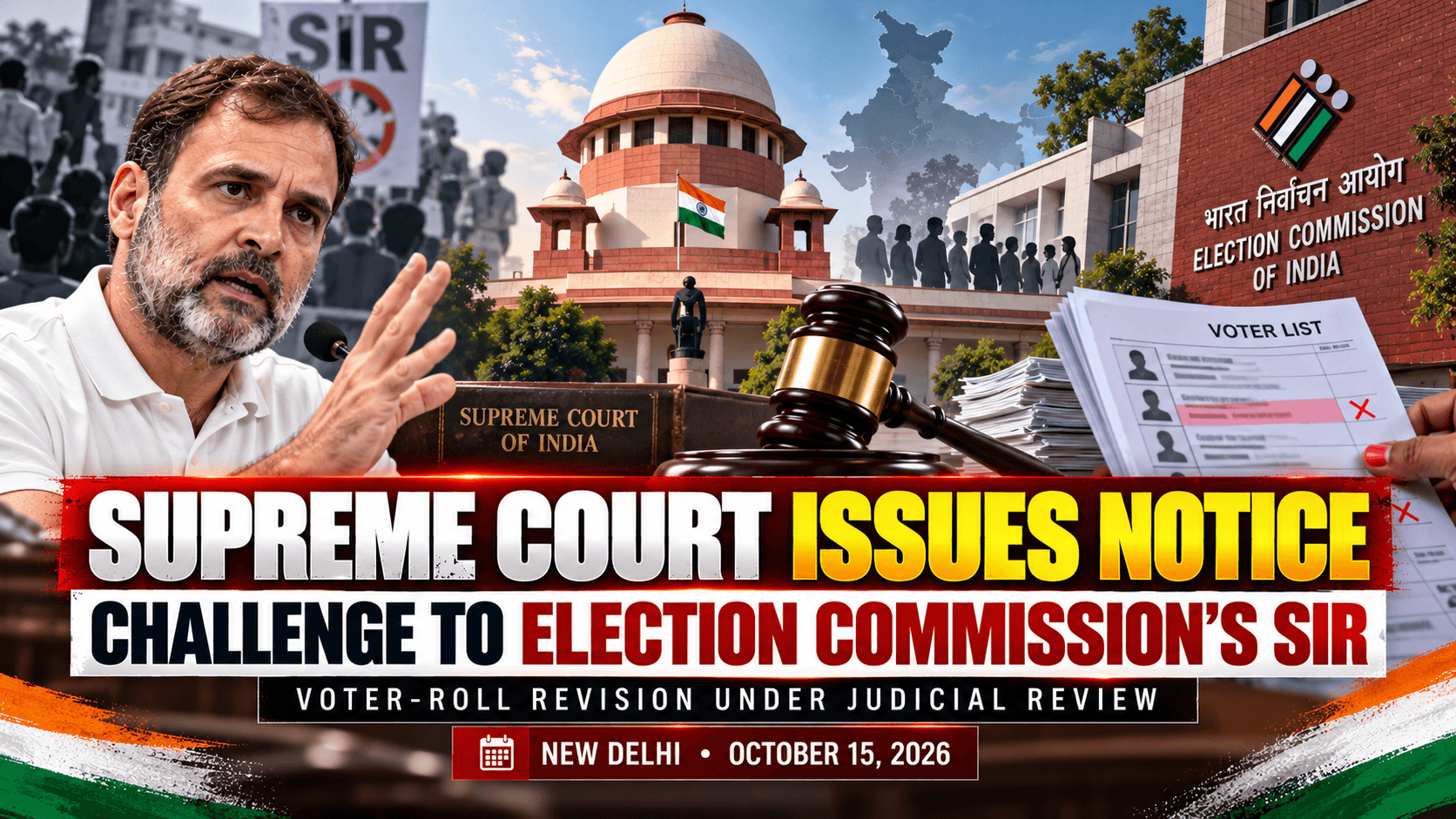
Supreme Court Notices Challenge to Election Commission’s SIR
The Supreme Court has issued a notice on a petition filed by Rahul Gandhi and other opposition figures contesting the Election Commission’s Special Intensive Revision of voter lists. The court’s order seeks explanations from the petitioners and may pause the SIR process pending further review.
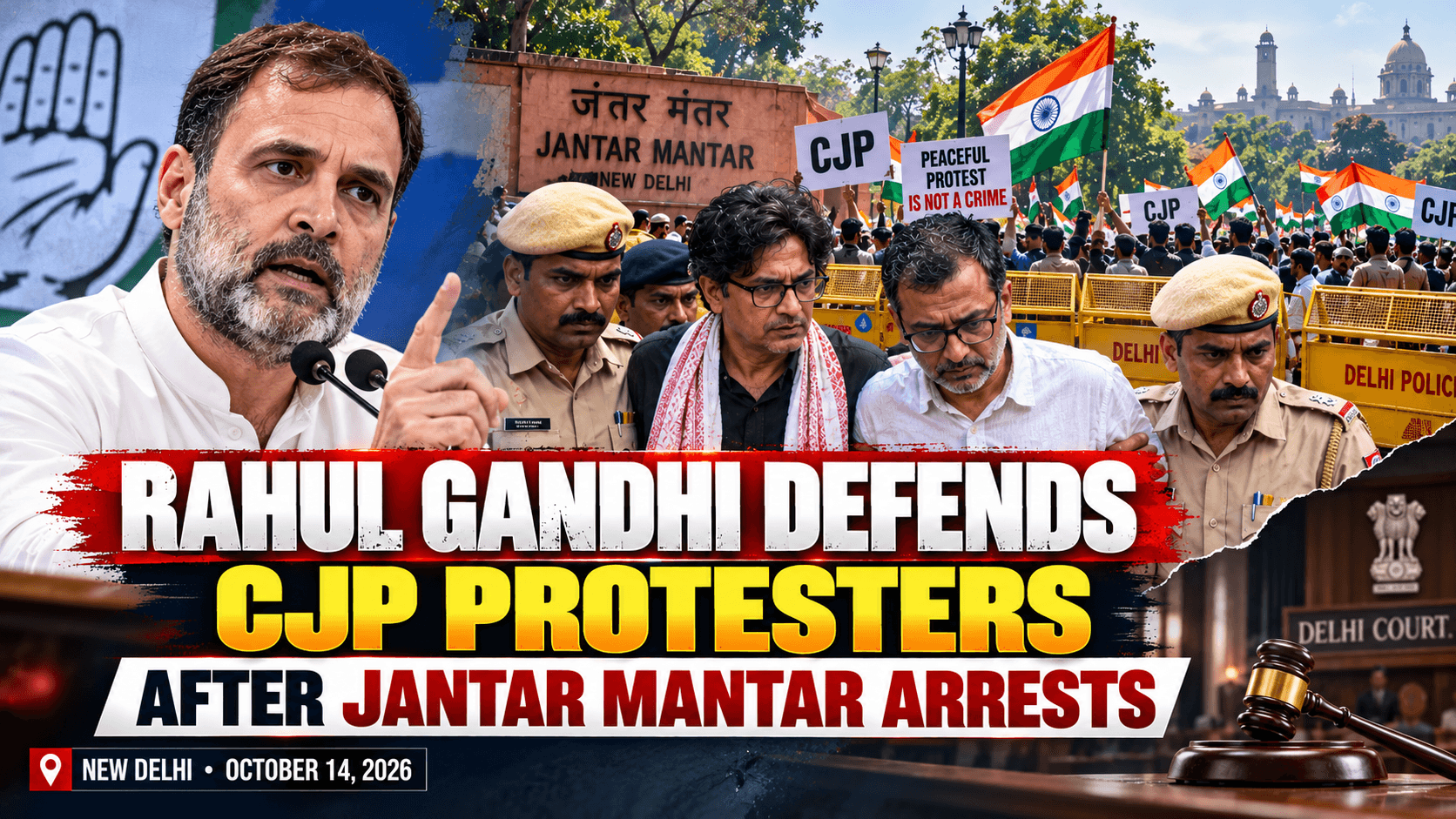
Rahul Gandhi Defends CJP Protesters After Jantar Mantar Arrests
Rahul Gandhi publicly condemned the arrest of Cockroach Janta Party leaders at Jantar Mantar, calling the detention of peaceful flag‑waving protesters a cowardly act. His statement signals a new alignment of opposition forces against the Centre’s decision to de‑notify the historic protest site.
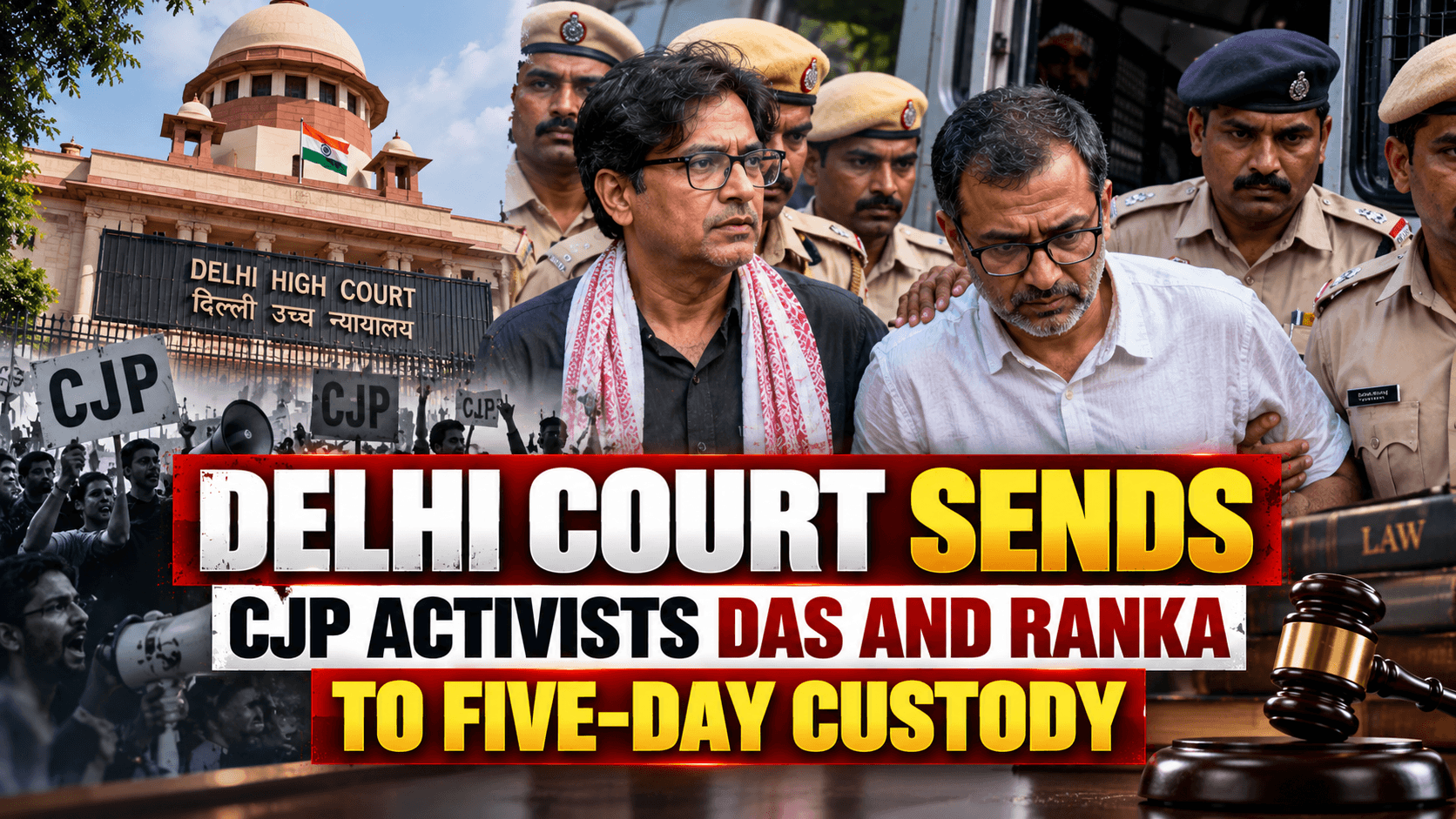
Delhi Court Sends CJP Activists Das and Ranka to Five‑Day Custody
The Special Executive Magistrate court ordered a five‑day judicial custody for CJP leaders Saurav Das and Ashutosh Ranka after they entered the barred Jantar Mantar area. The ruling follows a wave of protests over alleged irregularities in the election roll revision process.
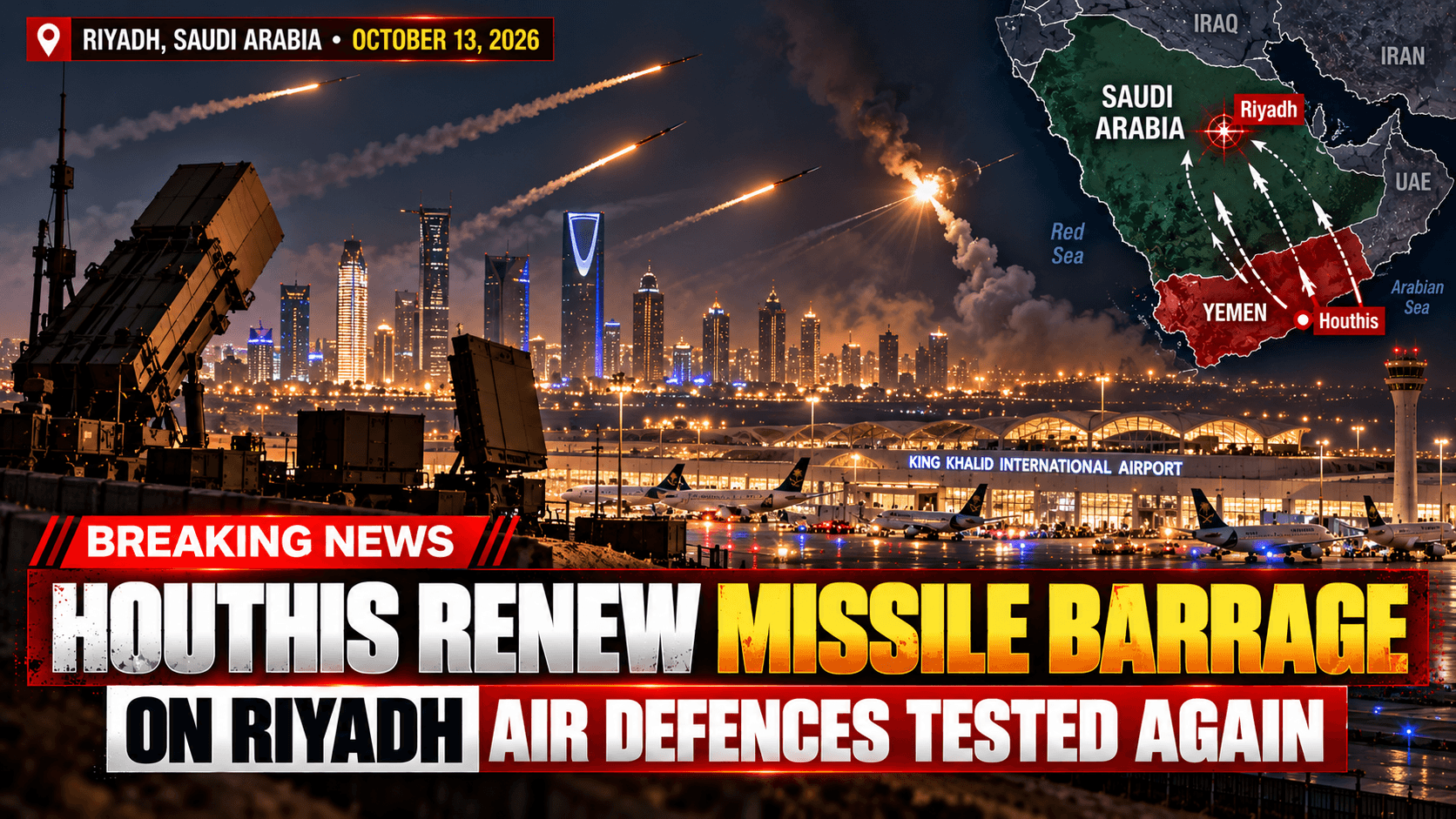
Houthis Renew Missile Barrage on Riyadh, Saudi Air Defences Tested Again
For the third consecutive day the Yemeni Houthi movement launched ballistic missiles toward Saudi Arabia’s capital, prompting interceptions and a renewed shutdown of Riyadh’s main airport. The attacks have strained Saudi air defences, disrupted international flights and raised regional security concerns.
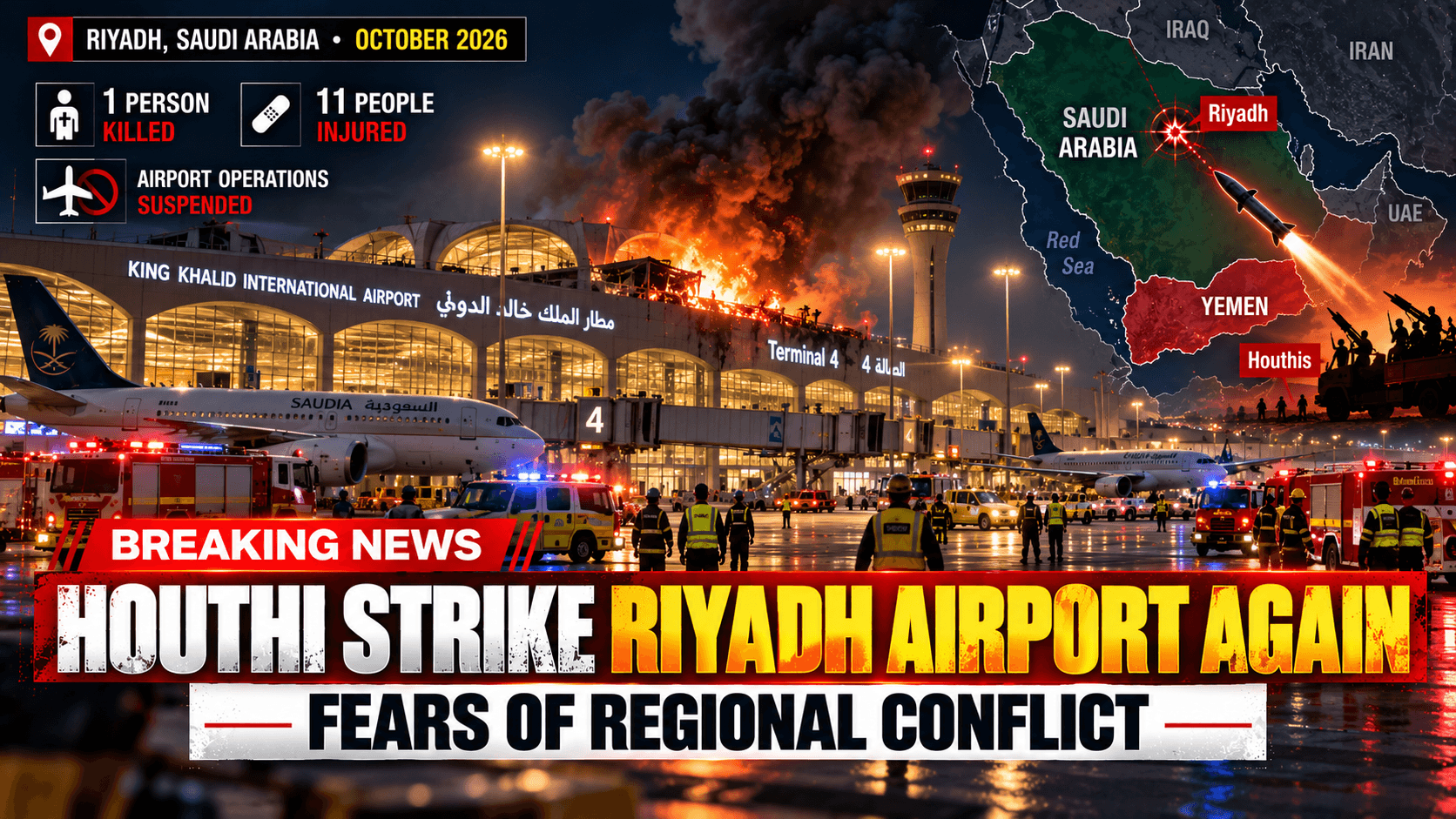
Houthis Strike Riyadh Airport Again, Raising Fears of Regional Conflict
The Houthi movement launched a fresh missile assault on King Khalid International Airport, killing dozens and wounding hundreds. Saudi Arabia vows a strong response as regional tensions rise.