
Zelenskyy Urges Trump to Convene Trilateral Talks with Putin and Xi to Forge Energy Ceasefire
Ukrainian President Volodymyr Zelenskyy appealed to Donald Trump to arrange a three‑way summit with Vladimir Putin and Xi Jinping, offering an "energy ceasefire" if Russia halts attacks on critical infrastructure. The plea came amid mounting winter threats to Ukraine’s power grid.
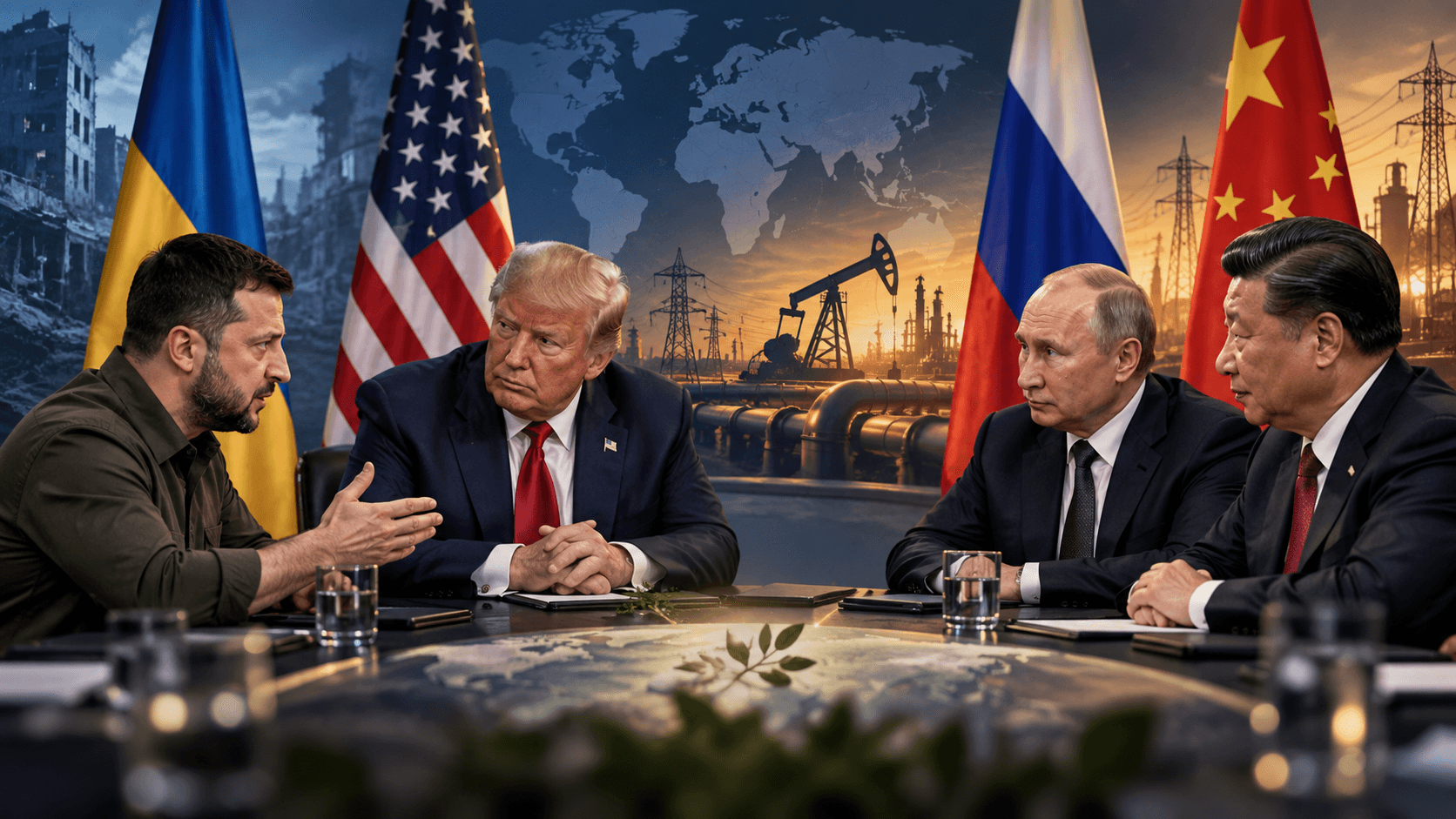
During the bustling sidelines of the United Nations General Assembly in New York, Ukrainian leader Volodymyr Zelenskyy seized a rare diplomatic window to press U.S. President Donald Trump for a high‑stakes, three‑party meeting that would include Russian President Vladimir Putin and Chinese President Xi Jinping. Zelenskyy’s message was unmistakable: a swift, coordinated summit could pave the way for an “energy ceasefire” that would protect Ukraine’s power and water systems from further Russian onslaught.
Why an Energy Ceasefire Matters Now
Since the start of Russia’s full‑scale invasion in February 2022, Ukrainian cities have endured repeated strikes on electricity substations, heating plants, and water treatment facilities. As winter approaches, the threat of widespread blackouts looms larger than ever, prompting Kyiv to seek a limited truce focused solely on protecting civilian energy infrastructure.
Zelenskyy made it clear that Kyiv would agree to such a ceasefire only if Moscow pledged to cease all assaults on these vital assets. "We are prepared to halt hostilities against Russian targets in exchange for an energy truce," he wrote on social media after his UNGA conversation, emphasizing that the proposal hinged on Russia’s willingness to respect civilian utilities.
Trump’s Role as Mediator
President Trump, who has previously urged Ukraine to curb drone attacks on Russian oil refineries, responded positively to Zelenskyy’s overture. In a brief press briefing, Trump said, "We will get that one done," indicating a readiness to facilitate the proposed trilateral dialogue.
Zelenskyy underscored the urgency, stating, "The most important move President Trump can make is to organize a trilateral meeting where the leaders can raise all sensitive issues and try to end the war." He added that he was prepared to travel to Moscow or any neutral venue whenever all parties are ready.
The Proposed Trilateral Framework
While details remain fluid, Zelenskyy outlined three core objectives for the envisioned summit:
Energy Truce: Secure a binding agreement that Russia will not target Ukraine’s power grid, heating systems, or water supplies during the winter months.
Security Guarantees: Obtain additional U.S. air‑defense support, including a winter package of Patriot missiles and licenses for domestic production.
Path to Peace: Open channels for broader negotiations that could ultimately bring the conflict to a definitive end.
China’s Potential Leverage
Zelenskyy also appealed to Trump to enlist President Xi Jinping’s influence over Moscow. "If President Xi engages, we believe he can sway Putin," the Ukrainian president told reporters. He argued that a concerted effort by the United States and China, working around the clock, is essential to break the deadlock that has persisted since the war’s inception.
China’s relationship with Russia has deepened in recent years, making Xi’s involvement a potentially decisive factor. Zelenskyy’s request reflects a broader strategy to bring all major global powers to the negotiating table, thereby increasing pressure on Moscow to consider compromise.
Reactions from Moscow and the Kremlin
The Kremlin, for its part, has dismissed the notion of a direct Zelenskyy‑Putin meeting at this stage. Spokesman Dmitry Peskov told RIA Novosti that a meeting “before expert‑level discussions have taken place would be a waste of time.” He reiterated that President Putin has invited Zelenskyy to Moscow should the Ukrainian leader wish to come, but stopped short of confirming any concrete plans.
Russia’s defense ministry has simultaneously signaled intentions to intensify strikes on Ukraine’s energy network, describing upcoming operations as “massive” and warning of a harsh winter campaign.
Broader Diplomatic Landscape
U.S. diplomatic focus has recently shifted toward tensions with Iran, leaving the Ukraine‑Russia conflict in a precarious diplomatic lull. Nonetheless, senior advisers Jared Kushner and Steve Witkoff visited Kyiv earlier in the month, marking the first high‑level U.S. engagement with Zelenskyy since the war began.
These talks, while not publicly detailed, suggest a lingering interest in exploring pathways to de‑escalation, even as the United States balances multiple foreign‑policy priorities.
Implications for the Coming Winter
Ukraine’s energy infrastructure is already strained from years of conflict. Experts warn that without a ceasefire, continued Russian bombardments could plunge large swaths of the country into darkness, exacerbating humanitarian crises and undermining morale.
An agreed energy truce would not only safeguard civilian life but also free Ukrainian forces to concentrate on defensive operations without the added burden of protecting critical utilities.
What’s Next?
All eyes now turn to the White House to see whether President Trump will formally propose a date and venue for the three‑way summit. Zelenskyy’s readiness to travel, combined with his call for Chinese involvement, adds layers of complexity—and potential leverage—to the diplomatic calculus.
If successful, the meeting could set a precedent for multilateral conflict resolution involving a major Western power, a Eurasian autocrat, and a rising Asian superpower. Conversely, failure to secure a timely agreement may deepen the winter hardship for Ukraine’s civilians and prolong the war’s devastating toll.
For now, the international community watches closely, hoping that the convergence of Ukrainian resolve, American facilitation, and Chinese influence might finally yield the elusive peace that has remained out of reach for over four years.
Latest Posts
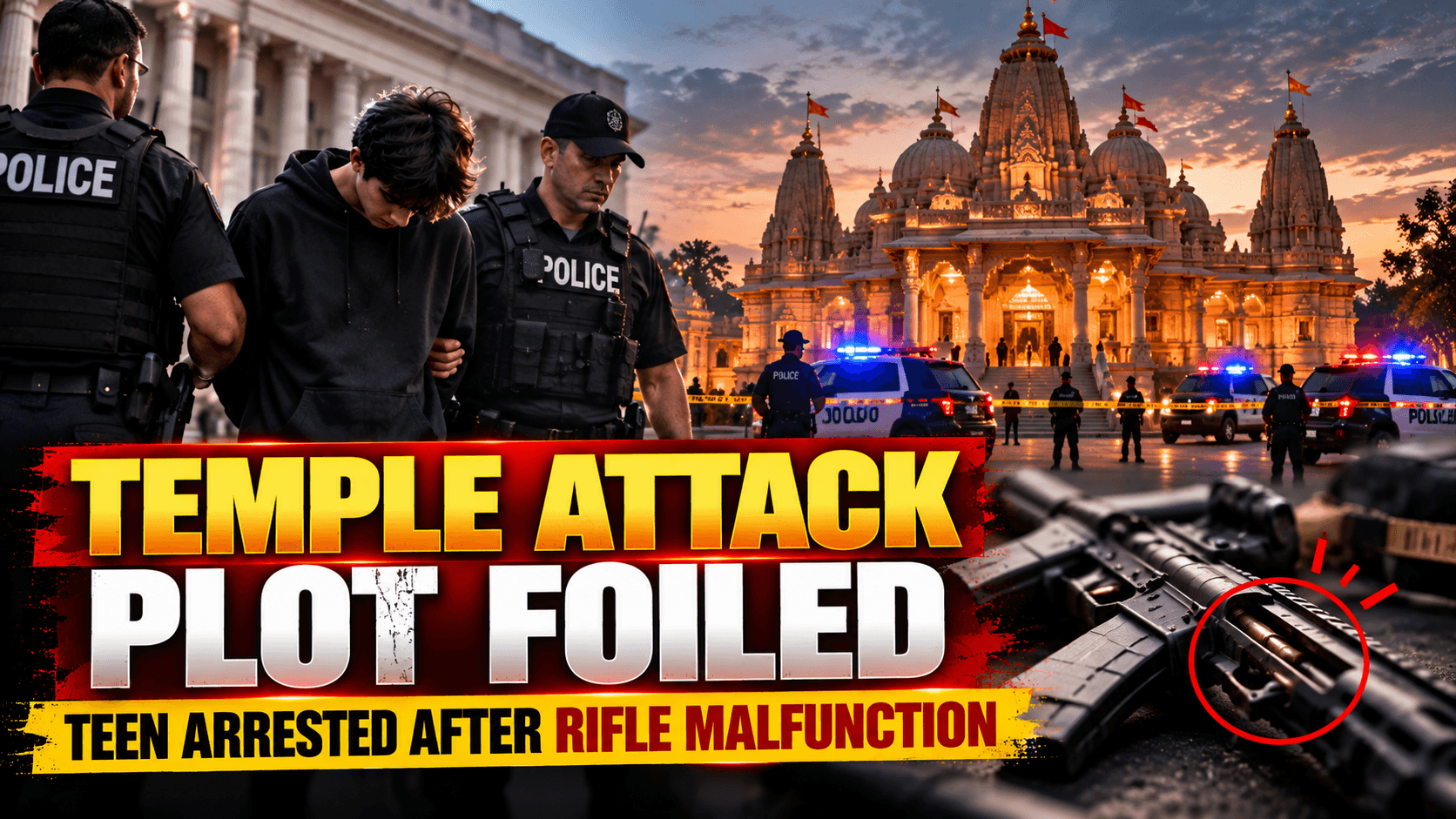
Teen Arrested After Faulty Rifle Foils Hindu Temple Shooting Plot
A 19‑year‑old Taco Bell employee in Illinois was detained after a jammed rifle prevented a planned mass shooting at a Hindu temple. Police recovered weapons, extremist material, and a manifesto outlining white‑supremacist motives.
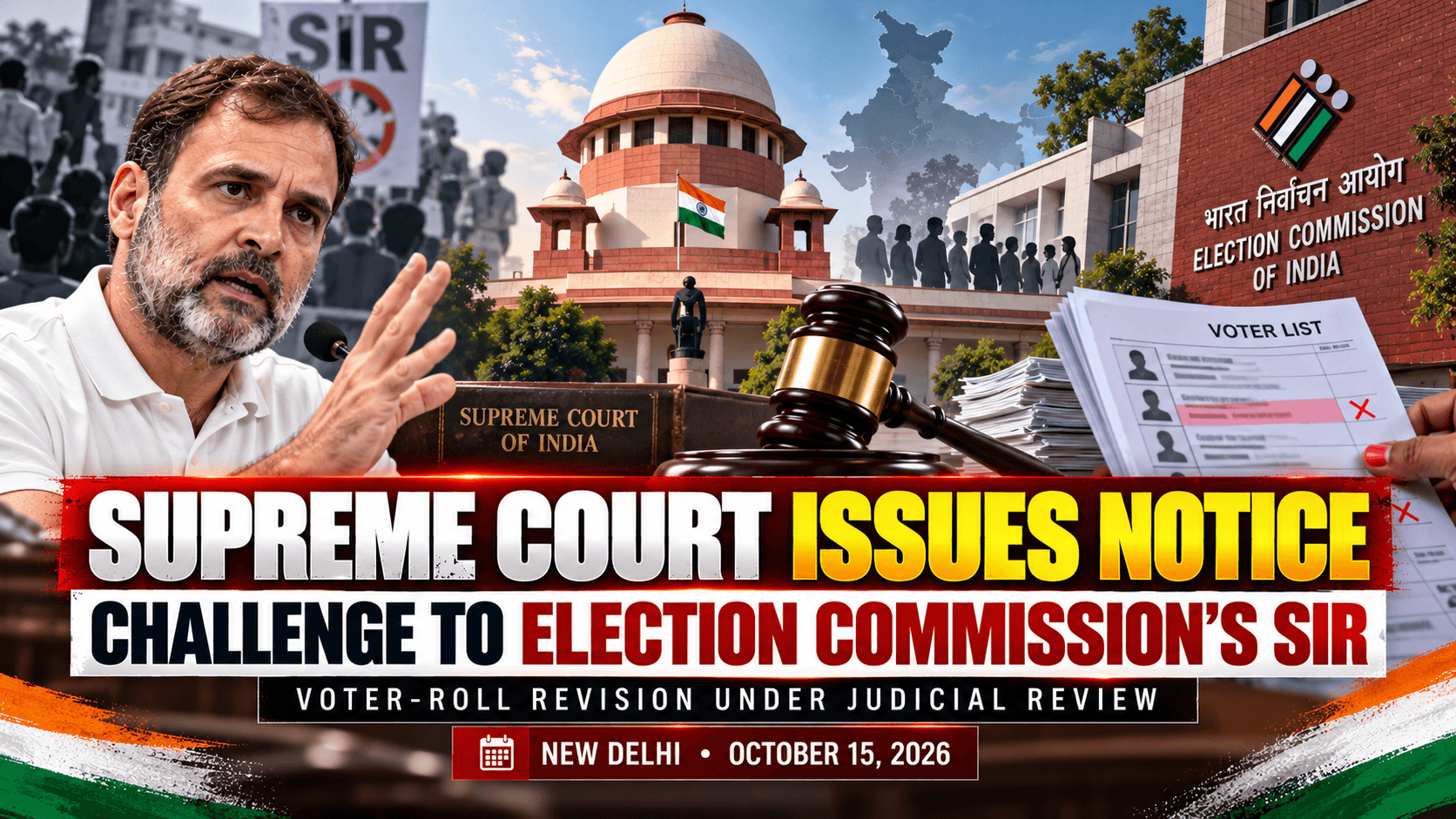
Supreme Court Notices Challenge to Election Commission’s SIR
The Supreme Court has issued a notice on a petition filed by Rahul Gandhi and other opposition figures contesting the Election Commission’s Special Intensive Revision of voter lists. The court’s order seeks explanations from the petitioners and may pause the SIR process pending further review.
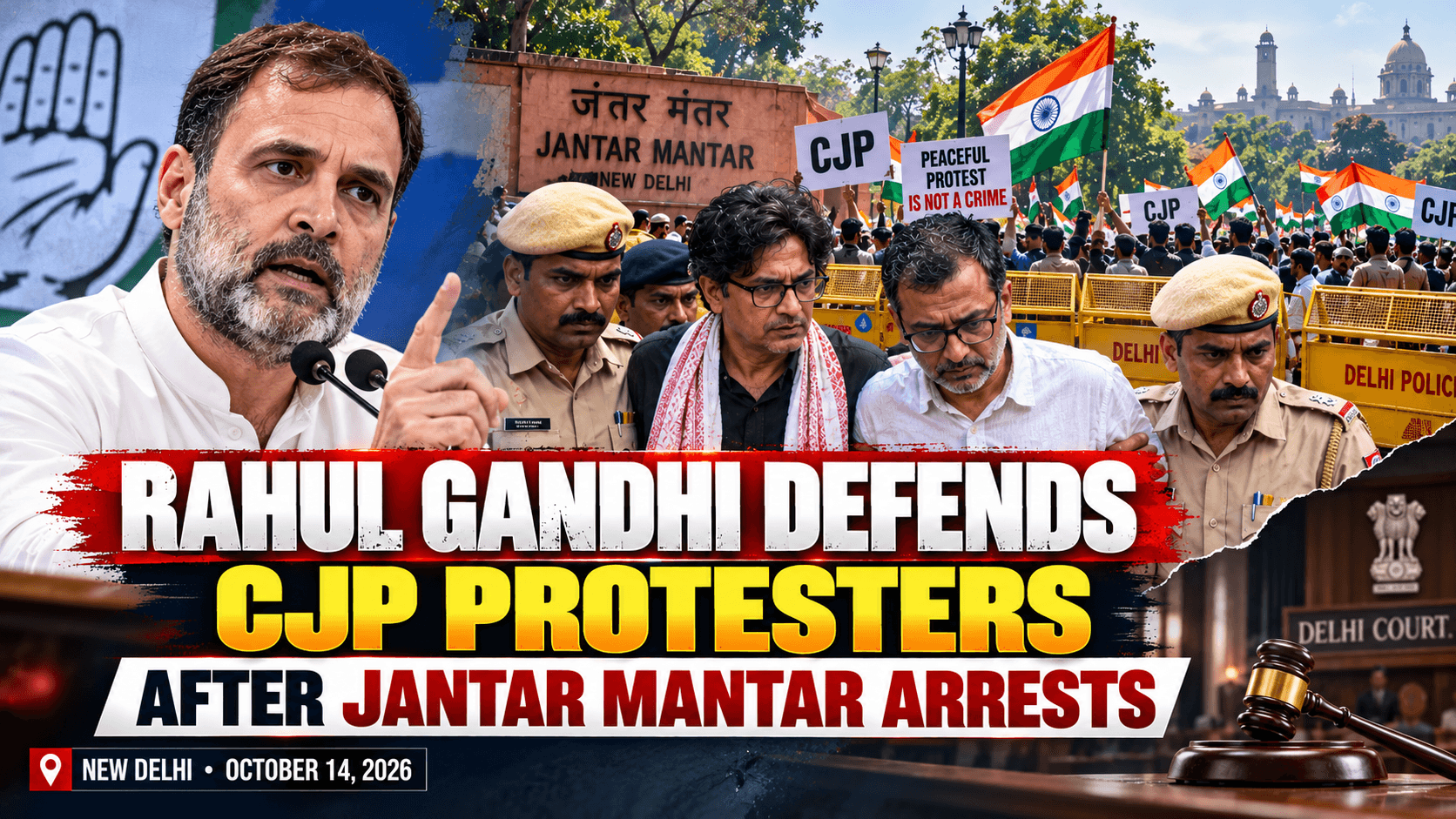
Rahul Gandhi Defends CJP Protesters After Jantar Mantar Arrests
Rahul Gandhi publicly condemned the arrest of Cockroach Janta Party leaders at Jantar Mantar, calling the detention of peaceful flag‑waving protesters a cowardly act. His statement signals a new alignment of opposition forces against the Centre’s decision to de‑notify the historic protest site.
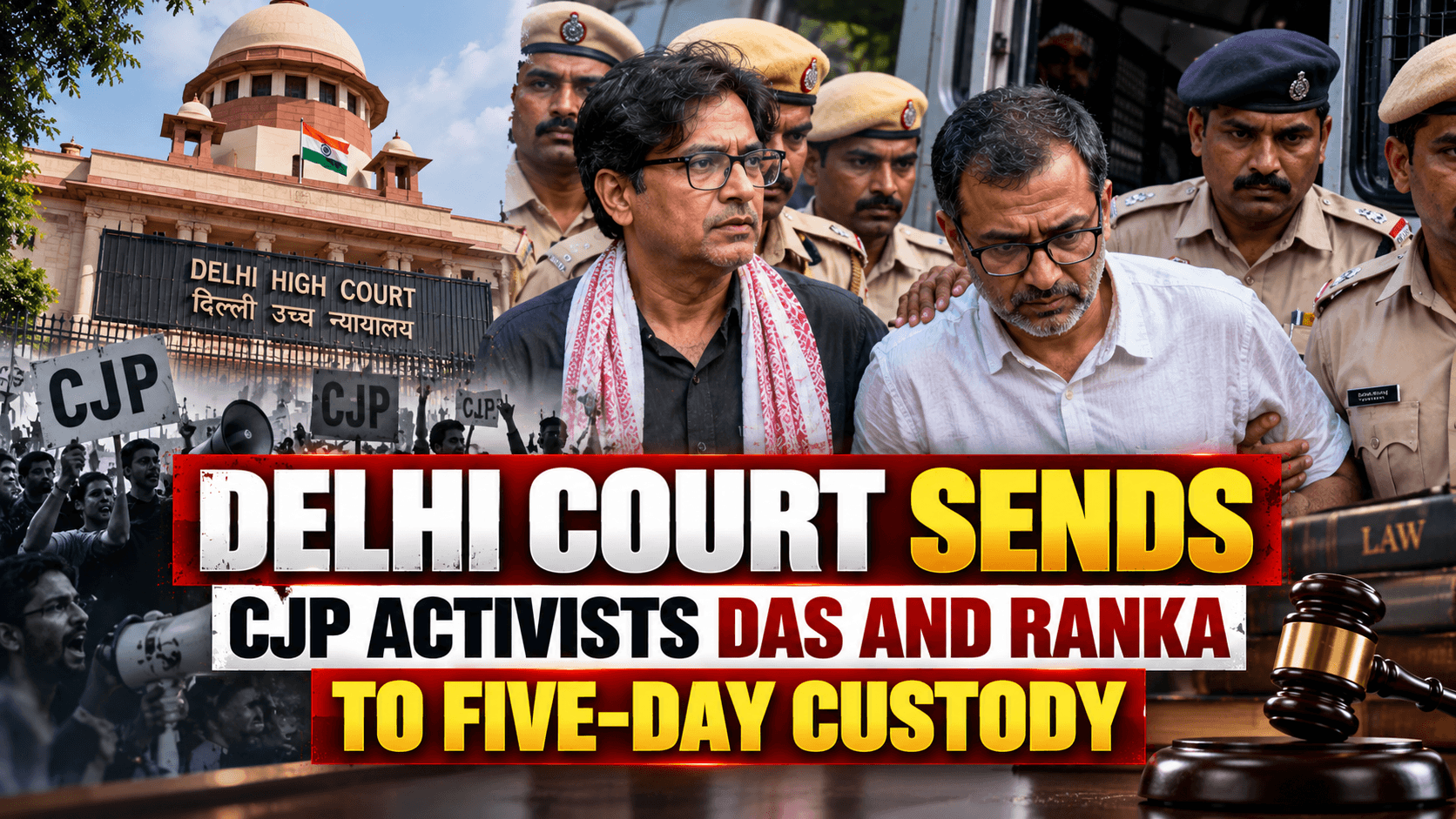
Delhi Court Sends CJP Activists Das and Ranka to Five‑Day Custody
The Special Executive Magistrate court ordered a five‑day judicial custody for CJP leaders Saurav Das and Ashutosh Ranka after they entered the barred Jantar Mantar area. The ruling follows a wave of protests over alleged irregularities in the election roll revision process.
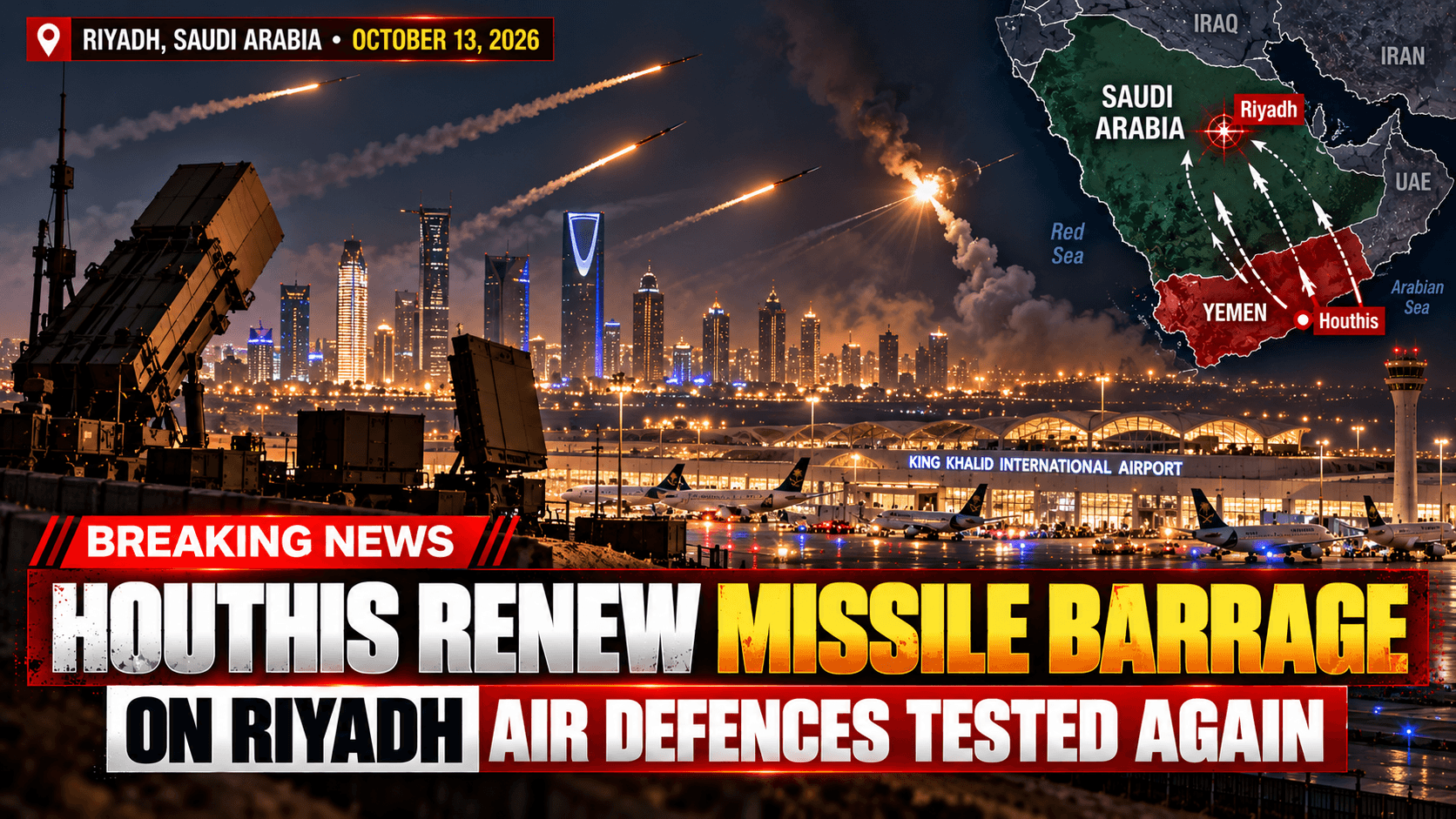
Houthis Renew Missile Barrage on Riyadh, Saudi Air Defences Tested Again
For the third consecutive day the Yemeni Houthi movement launched ballistic missiles toward Saudi Arabia’s capital, prompting interceptions and a renewed shutdown of Riyadh’s main airport. The attacks have strained Saudi air defences, disrupted international flights and raised regional security concerns.
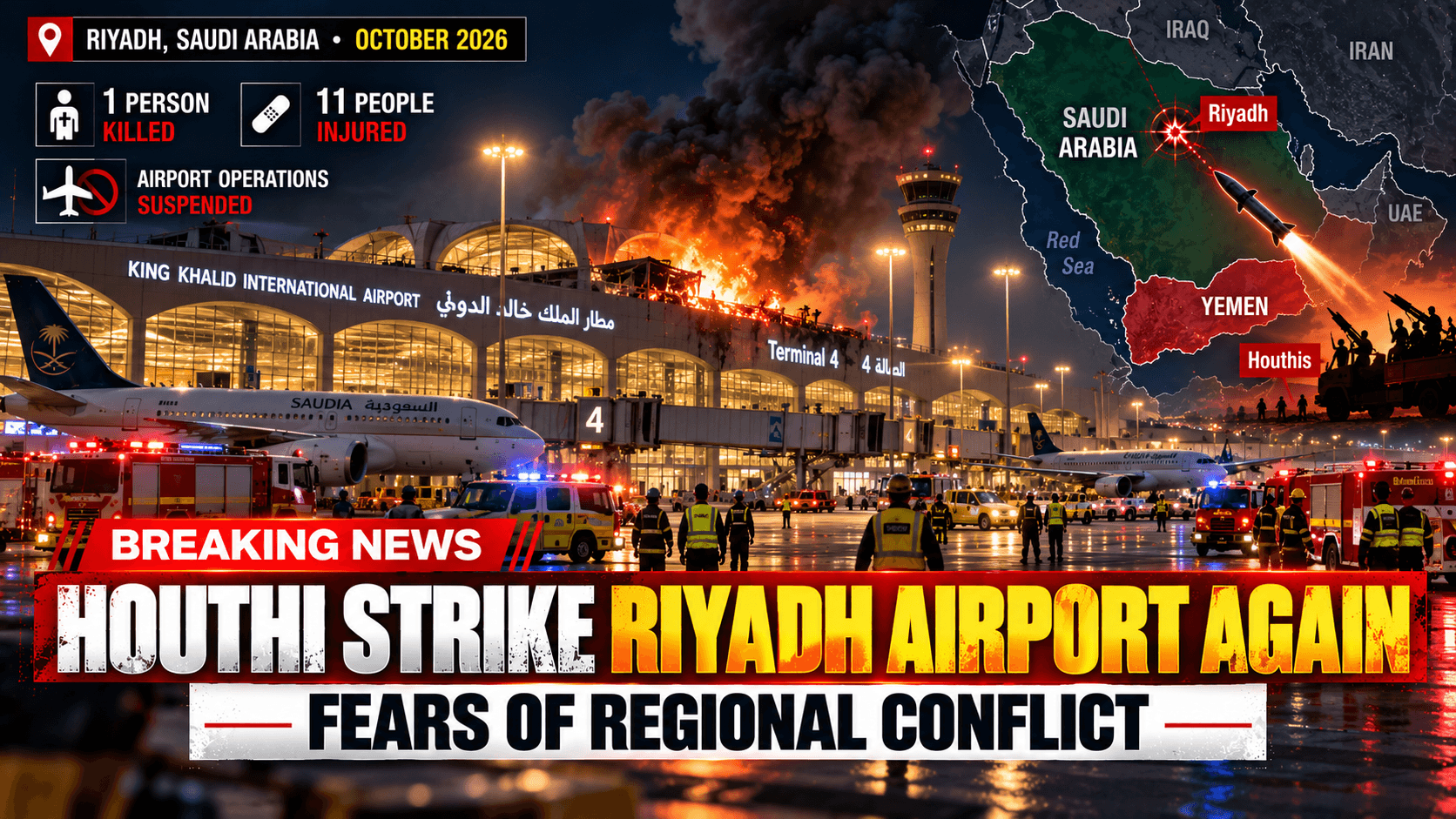
Houthis Strike Riyadh Airport Again, Raising Fears of Regional Conflict
The Houthi movement launched a fresh missile assault on King Khalid International Airport, killing dozens and wounding hundreds. Saudi Arabia vows a strong response as regional tensions rise.